Contents
- 1 Tired of Carpenter Ants? Get Guaranteed Carpenter Ant Control in Brevard & Indian River Counties!
- 1.1 Carpenter Ants (and “Bull Ants”) Gone for Good — Guaranteed!
- 1.2 Our Guaranteed Carpenter Ant Control Process
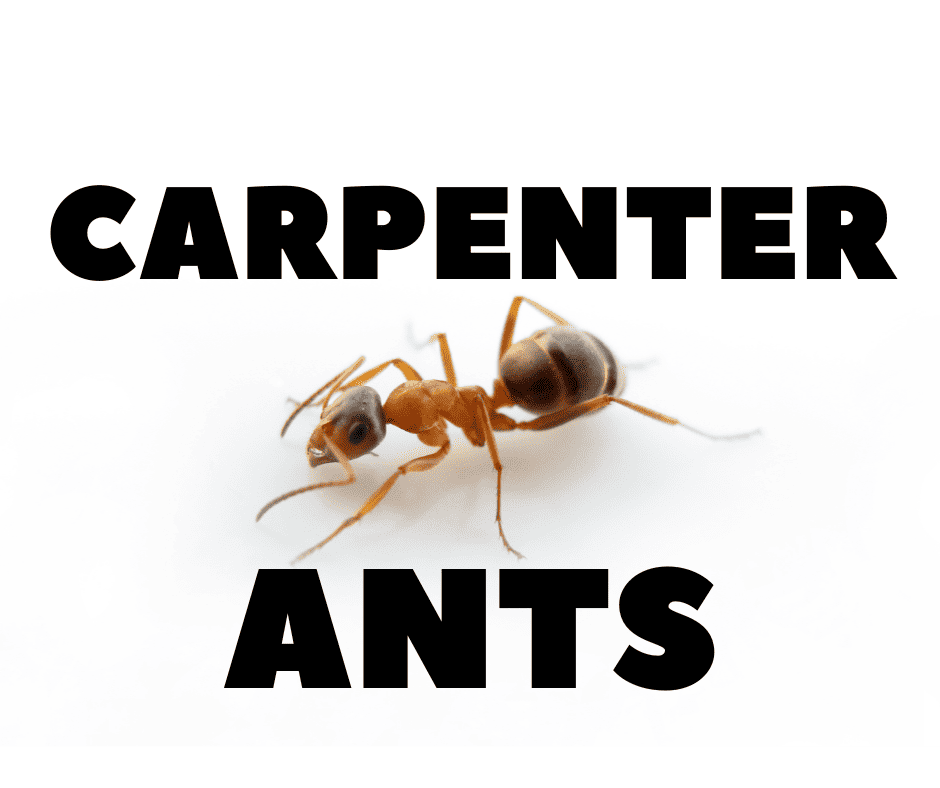
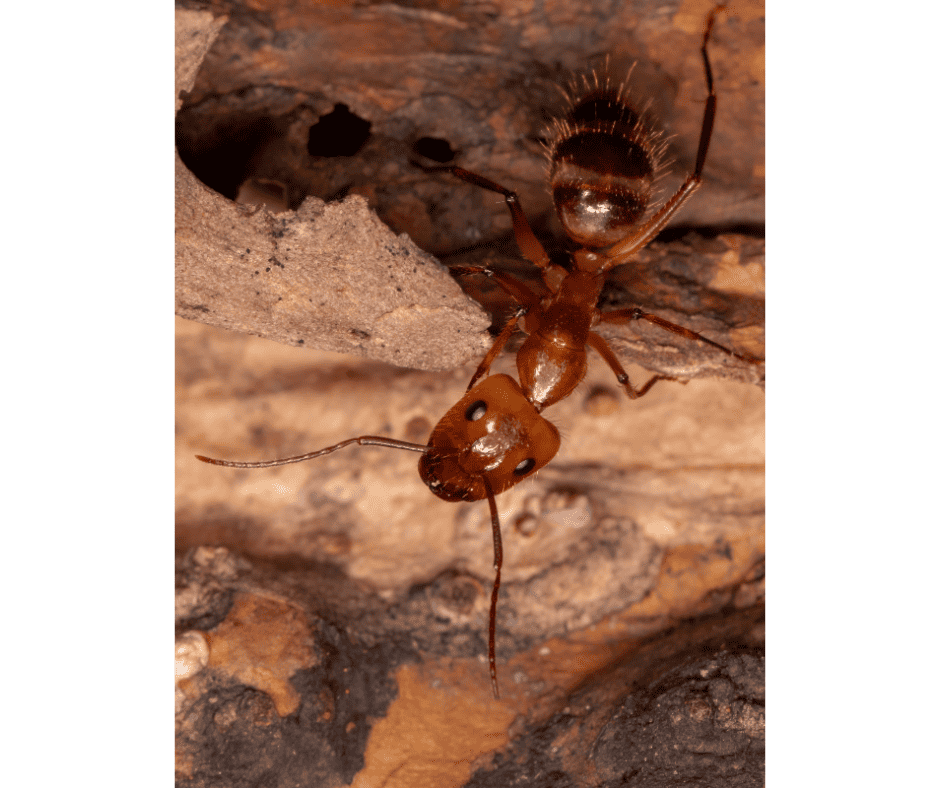
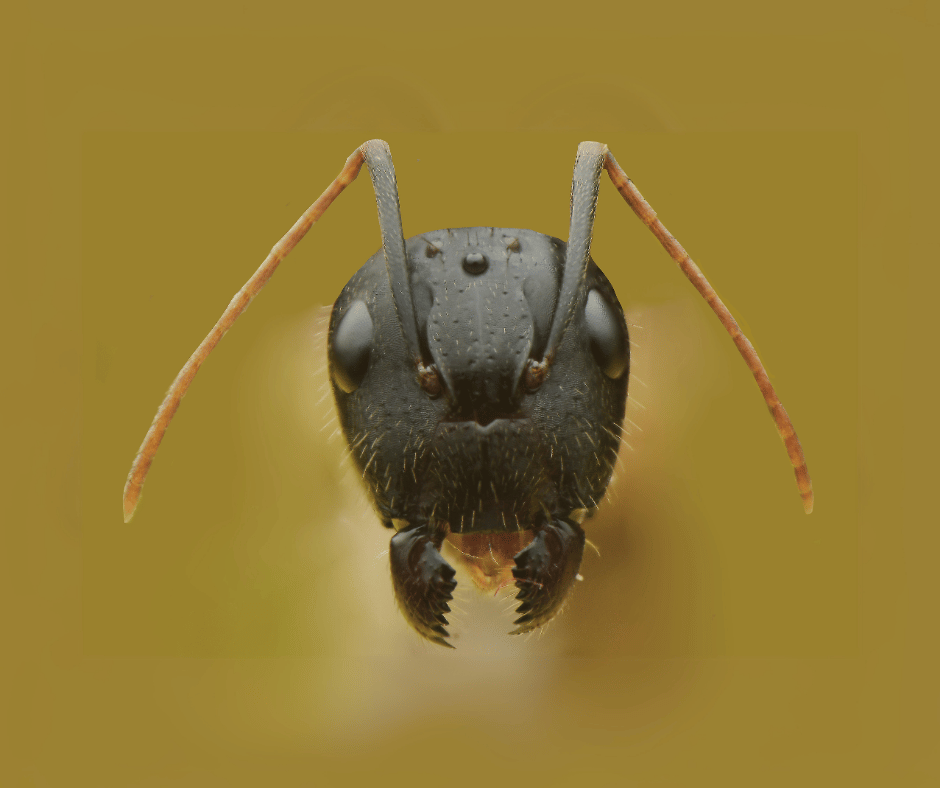
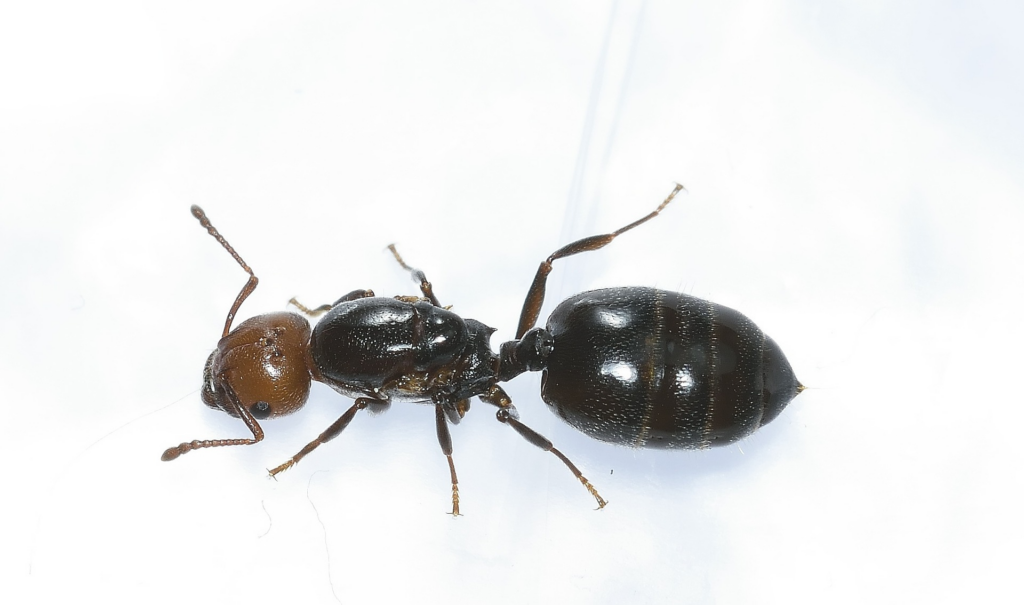
- 1.2.1 CARPENTER ANT CONTROL STEP 1Before you can effectively deal with carpenter ants, knowing exactly what you’re up against is crucial. These are large, dark‑colored ants — typically black or reddish — and often measure around ½ inch long.
- 1.2.2 Key Identification Clues
- 1.2.3 Why Proper Identification Matters
- 1.2.4 Understanding Florida’s Carpenter Ant Species
- 1.2.5 Tortugas Carpenter Ant
- 1.2.6 Florida Carpenter Ant
- 1.3 🛠️ Carpenter Ant Control Step 2: Treatment
- 1.4 HOW MUCH DOES A CARPENTER ANT TREATMENT COST?
- 1.5 Treat Carpenter Ants & Protect Your Home
- 1.6 Have Carpenter Ant Questions?
- 1.7 How to Get Rid of Carpenter Ants (Even Before You Call a Pro)
- 1.8 What Are Carpenter Ants, and Why Are They in Your Home?
- 1.9 Where Do Carpenter Ants Nest?
- 1.10 Step-by-Step: How to Find and Kill a Carpenter Ant Nest
- 1.11 Important Consideration for DIY Treatment:
- 1.12 Can’t Find the Nest? Here’s What to Do:
- 1.13 Still Struggling with Hidden Carpenter Ant Nests?
- 1.14 FAQ’s; Carpenter Ant Treatments
- 1.15 Related Links; Carpenter Ant Removal
Tired of Carpenter Ants? Get Guaranteed Carpenter Ant Control in Brevard & Indian River Counties!
Carpenter Ants (and “Bull Ants”) Gone for Good — Guaranteed!
Are large carpenter ants crawling through your home at night? Also known as “bull ants” in Brevard and Indian River counties, they’re more than just a nuisance. While they won’t destroy your home overnight, their presence signals a problem that needs solving. At Pest & Lawn Organic Guard, we understand how frustrating this is — and we’re ready with a fast, proven solution.
With over 20 years of owner‑operator experience, I’ve successfully treated countless carpenter ant infestations across Brevard County and Indian River County, including barrier island homes. I personally conduct every inspection, expertly tracking these pests to their source — whether hidden in your attic, walls, or landscaping. One call to me, and you can truly say goodbye to these unwanted guests.
Why Homeowners Choose Pest & Lawn Organic Guard for Ant Control
✅ FREE Attic Dusting Included — Complete carpenter ant eradication with no hidden fees
✅ Precision Nest Elimination — Targeting the source for long‑term protection
✅ First Visit Guarantee — If they come back, so do we, at no extra charge
✅ Fast, Safe, & Proven Results — Environmentally conscious solutions trusted across Melbourne, Vero Beach, Palm Bay, and beyond
Don’t let carpenter ants disrupt your peace of mind any longer. A quick call is all it takes to get them gone — guaranteed.
Homeowners across Brevard County and Indian River County — including Merritt Island, Satellite Beach, and Sebastian — rely on us for fast, reliable ant control. Contact us today to reclaim your home from carpenter ants!
⭐WHAT OUR CUSTOMERS HAVE TO SAY ABOUT US
Homeowners across Brevard County and Indian River County consistently rate Pest & Lawn Organic Guard 5 stars for professionalism, transparency, and guaranteed results. Here’s what they’re saying:
SCHEDULE YOUR CARPENTER ANT CONTROL TREATMENT NOW!
Booking your carpenter ant treatment is quick and hassle‑free. With transparent pricing and a first‑visit guarantee, you can schedule your service online in just minutes — no contracts, no hidden fees, no sales pressure.
Take back your home from carpenter ants today with our owner‑operated, guaranteed service trusted across Brevard and Indian River counties.
📲
Our Guaranteed Carpenter Ant Control Process
CARPENTER ANT CONTROL STEP 1Before you can effectively deal with carpenter ants, knowing exactly what you’re up against is crucial. These are large, dark‑colored ants — typically black or reddish — and often measure around ½ inch long.
Key Identification Clues
- Size & Color: Noticeably larger than common household ants, ranging from solid black to reddish‑black.
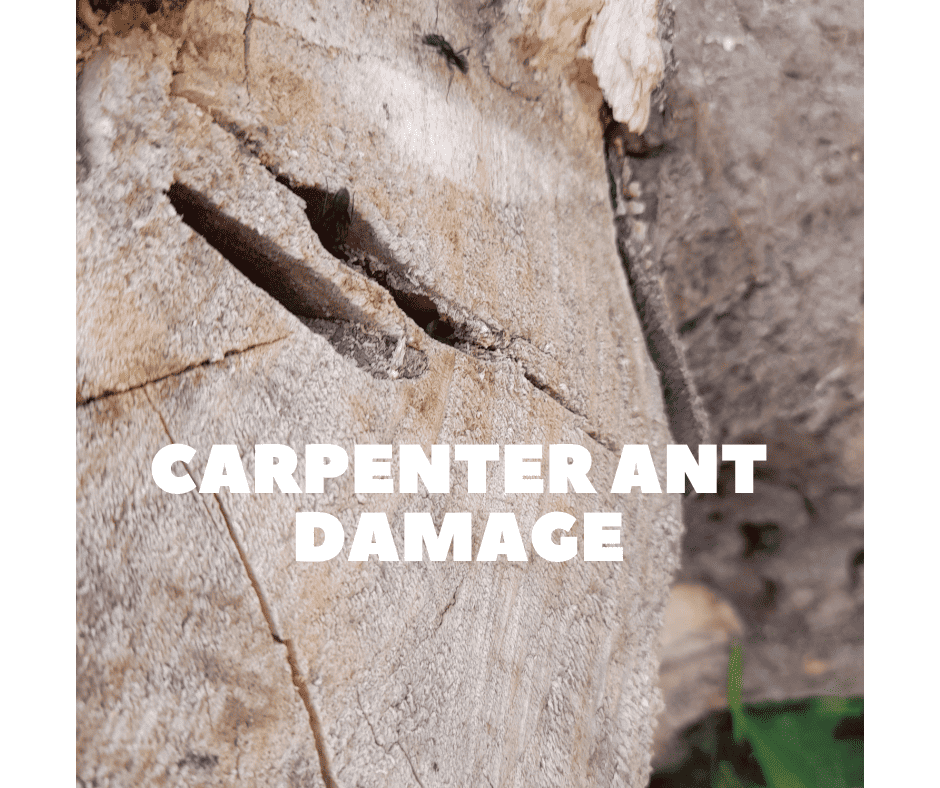
- Sawdust‑like Debris (Frass): Carpenter ants don’t eat wood; they excavate it to build nests. This leaves behind fine piles of sawdust mixed with insect body parts — a strong indicator of a nearby nest.
- Nighttime Activity: Most active at night, foraging for food when homeowners least expect it.
- Winged Swarmers: In warmer months, reproductive ants (swarmers) emerge with wings. Seeing them indoors signals a significant infestation.
Why Proper Identification Matters
Mistaking carpenter ants for termites or other pests can lead to ineffective DIY treatments and allow infestations to worsen. Their presence often points to moisture problems or decaying wood — conditions they seek out for nesting.
While many homeowners attempt DIY solutions, professional identification and treatment
Understanding Florida’s Carpenter Ant Species
In our area, two main carpenter ant species are responsible for most infestations. Knowing which type you’re dealing with helps us design the most effective treatment plan for your home.
Tortugas Carpenter Ant
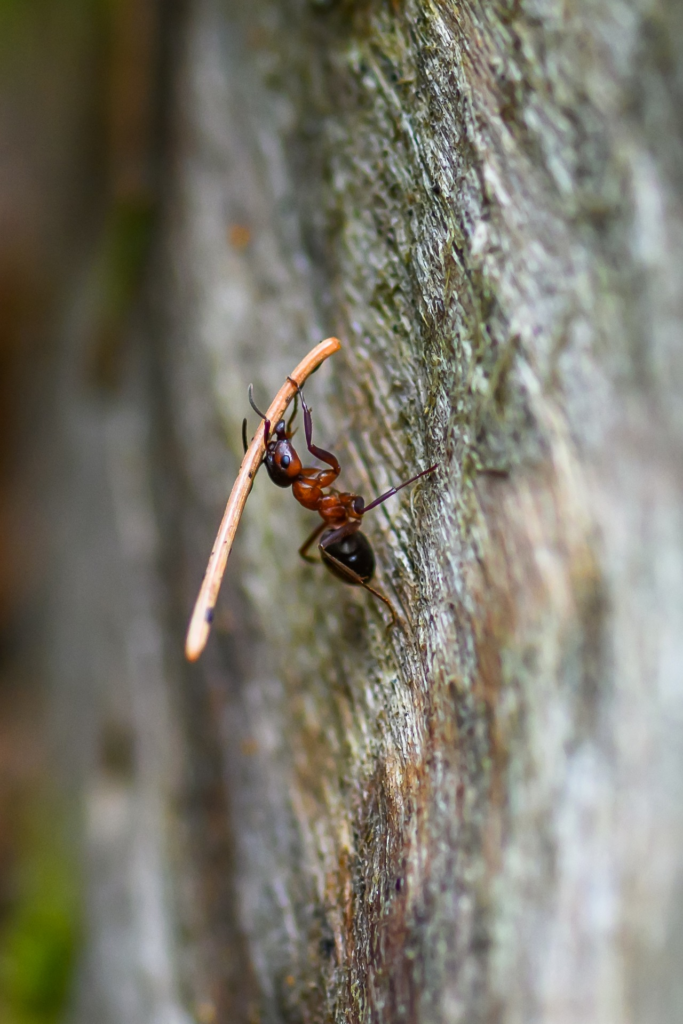
- Appearance: Smaller, typically black with distinct red legs
- Habitat: Often nests in dead trees and decaying wood outdoors
- Behavior: Can invade homes when outdoor colonies expand or food sources are nearby
Florida Carpenter Ant
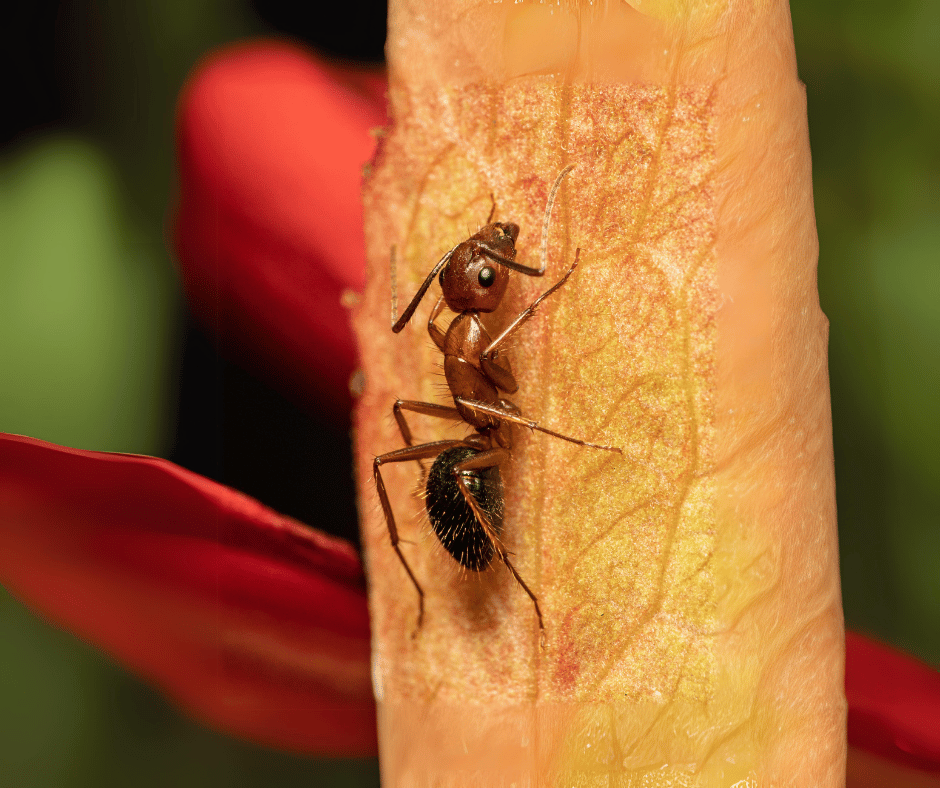
- Appearance: Black body with bright orange legs
- Habitat: The most common variety in Brevard and Indian River counties, nesting in moist or decaying wood within structures and landscaping
- Behavior: Frequently found in attics, walls, and damp areas around the home
[coupon couponid=”2441″ name=”50$ off recurring service”], [coupon couponid=”2442″ name=”$50.00 OFF Termite Treatment”], [coupon couponid=”2443″ name=”$15.00 OFF MOSQUITO INSTALL”]
🛠️ Carpenter Ant Control Step 2: Treatment
From DIY Considerations to Professional Eradication
Once carpenter ants are positively identified, the next critical step is effective treatment. While DIY options may seem appealing, only professional methods ensure thorough eradication and long‑term control.
Common Treatment Approaches
- Baits: Designed to be carried back to the nest by foraging ants, eliminating the colony (including the queen). Placement near activity trails is key.
- Sprays: Targeted liquid insecticides can create barriers or treat active trails. Direct spraying of visible ants rarely solves the hidden nest problem.
- Dusts: Insecticidal dusts are highly effective when applied into wall voids, cracks, and crevices where carpenter ants nest or travel.
Why Professional Treatment Is Crucial
Carpenter ants can nest in hard‑to‑reach locations: wall voids, attics, decaying wood, tree stumps, and even palm tree crowns. Without finding and eliminating the nest, infestations persist.
Our Carpenter Ant Control Service goes beyond surface‑level solutions. We use a strategic combination of professional‑grade baits, targeted sprays, and precision dust applications to ensure complete eradication.
Our Methodical Approach
- Targeted Applications: Focused treatments in critical areas where carpenter ants forage and nest — including the base of plants, trees, and especially palm tree crowns (a common nesting site in Brevard and Indian River counties).
- Nest Site Elimination: I personally inspect your property inside and out, including moisture‑prone areas (bathrooms, kitchens, attics), as well as sheds, woodpiles, and vegetation.
- Systematic Eradication: By identifying and eliminating each potential nesting site one by one, we ensure the source of the problem is gone for good.
Attempting to treat carpenter ants without locating the primary nest often leads to ongoing frustration. My professional expertise guarantees a comprehensive and lasting solution
HOW MUCH DOES A CARPENTER ANT TREATMENT COST?
Treat Carpenter Ants & Protect Your Home
At Pest & Lawn Organic Guard, we believe in transparent, effective, and affordable carpenter ant treatment for homeowners across Brevard and Indian River counties.
Clear, Upfront Pricing
- Starting at $299 for most homes (up to 3,500 sq. ft.)
- Includes a thorough inspection and targeted treatment to eliminate active colonies and prevent future infestations
- Custom quotes available for larger homes or properties with heavy vegetation — always provided upfront after inspection
Why Choose Our Guaranteed Carpenter Ant Treatment?
- Peace of Mind: You’re not just getting a service — you’re investing in protection for your home.
- Affordable & Effective: Proven methods at fair, transparent pricing.
- Guaranteed Results: If carpenter ants return, so do we — at no additional cost.
- Owner‑Operated Care: Every inspection and treatment is personally handled with precision and thoroughness.
Ready to Get Rid of Carpenter Ants for Good?
Don’t let carpenter ants compromise your home’s integrity or your peace of mind.
📲 Call 321‑704‑0434 today to schedule your detailed inspection and guaranteed service.
(We provide expert carpenter ant removal throughout Melbourne, Palm Bay, Vero Beach, Sebastian, Merritt Island, Satellite Beach, and all surrounding areas.)

Have Carpenter Ant Questions?
Text or call me at (321)704-0434, or Email us at David@321Pest.com
How to Get Rid of Carpenter Ants (Even Before You Call a Pro)
We understand that sometimes you want to handle a pest problem yourself—especially when it comes to Carpenter Ants. So, we’ve put together this in-depth guide to help you track them down and knock them out on your own.
And if you ever get stuck or don’t want to play hide-and-seek with ants at 7 a.m., you can always give me a call.
What Are Carpenter Ants, and Why Are They in Your Home?
First things first—Carpenter Ants don’t eat wood. Unlike termites, they’re just carving out little condos in soft, decaying wood where moisture is present. If you’ve got Carpenter Ants, you’ve got moisture problems, and that means something is rotting nearby.
Where Do Carpenter Ants Nest?
(Uncovering Their Hidden Havens in Your Home & Yard)
- Rotting Trees: Often found in the soft, decayed wood of older trees, especially at the base where the trunk meets the soil.
- Palm Trees & Tree Crothes: A common spot in our Florida climate, particularly within broken palm fronds or the “boots” of Cabbage Palms—they love the moisture and protected space.
- Garage Door Frames: Surprisingly, I’ve discovered colonies nesting within the vertical 2×8 lumber jambs on either side of a garage door, especially where the rails attach and moisture might accumulate.
- Attics & Insulation: Dark, undisturbed spaces with potential moisture issues, such as under insulation or in wooden beams within attics, are prime nesting sites.
- Under a toilet brush holder (yep, really happened)
- Unusual Indoor Spots: Yes, really! I’ve even found them nesting inside a toilet brush holder and, believe it or not, within the door of a Ford Ranger. These examples highlight their adaptability.
The Moral of the Story: If there’s moisture, dampness, or soft wood (or even damp cellulose materials) for them to burrow into, carpenter ants are game. This is why a thorough, professional inspection is crucial to pinpointing all active nests and ensuring complete carpenter ant removal from your property in Melbourne, Vero Beach, Palm Bay, and surrounding areas.
Step-by-Step: How to Find and Kill a Carpenter Ant Nest
(Tips for DIYers in Brevard & Indian River Counties)
While locating and eliminating a carpenter ant nest can be challenging, especially with their hidden habits, here are some actionable steps you can take if you’re trying to tackle the problem yourself.
1. Poke Around Outside 🌳
Start your search outdoors, as many carpenter ant nests originate in your yard. Grab a sturdy stick or screwdriver and begin inspecting all likely outdoor nesting spots.
Focus on:
Rotten wood: Check old stumps, decaying logs, firewood piles, and any wooden landscaping timbers.
Base of trees: Particularly older trees with bark damage or crevices.
Palm fronds: Look within the dead fronds attached to palm trees, especially Cabbage Palms, as these offer ideal, moist nesting sites in our Florida climate.
Other damp wood: Decks, porches, fence posts, and even wooden window frames can harbor nests if moisture is present.
The Discovery Moment: When you hit the nest, you’ll know it. Carpenter ants will often come pouring out in large numbers, revealing their hidden colony.
2. Be a Morning Stalker (Seriously) 🕵️♀️
If your initial outdoor search doesn’t yield a nest, here’s a highly effective trick I’ve used for years:
- Show up early in the morning: Carpenter ants are most active foraging at night and typically head back to their nests in the early morning hours (just before or as the sun rises).
- Watch where they go: Find an active trail of ants and patiently observe their direction of travel. Follow them. This “morning commute” will often lead you directly to their primary nest, whether it’s indoors or out.
3. Spray the Nest (with Caution) 🧴
Once you’ve successfully located the carpenter ant nest, you can apply an insecticide.
Contact Insecticides: Just about any readily available contact insecticide (like those found in aerosol cans, e.g., Raid Ant & Roach Killer) can work for a direct hit on a visible nest.
Read the Label: Crucially, always read and follow the label directions explicitly for the product you choose. Ensure it’s labeled for the specific area you’re treating (e.g., indoor use, outdoor use, near plants, etc.). Apply the product directly into the nest opening.
Important Consideration for DIY Treatment:
While these steps can help with a localized nest, carpenter ant infestations often involve satellite nests or hidden main colonies that are difficult for a homeowner to find. Missing even one nest can lead to a resurgence of the problem.
For guaranteed, long-term carpenter ant control in Brevard and Indian River Counties, a professional inspection and comprehensive treatment by an experienced exterminator remain the most effective solution.
Can’t Find the Nest? Here’s What to Do:
(When Carpenter Ants Remain Hidden)
f your detective work hasn’t revealed the main carpenter ant nest, don’t despair. When direct nest treatment isn’t an option, baiting becomes your most effective strategy. This method leverages the ants’ foraging habits to carry the treatment back to the colony, including the queen.
For Outdoor Nests: 🌿
- Granular Baits: For outdoor carpenter ant infestations, granular baits are often effective. Look for products from trusted brands like Terro or Bayer, readily available at your local Home Depot, Lowe’s, or online retailers like Amazon.
- Application is Key: Important: Only apply these granular baits when conditions are dry. Carpenter ants are highly sensitive to moisture on their food sources; if the bait gets wet, they typically won’t touch it, rendering your efforts ineffective. Apply around the perimeter of your home, near ant trails, or suspected entry points.
For Indoor Nests (or Suspected Indoor Activity): 🏡
- Gel Baits: For more targeted indoor use, gel baits are an excellent choice. These are also widely available on Amazon and at hardware stores. Apply small dabs of gel bait along ant trails, near cracks, crevices, or anywhere you see carpenter ant activity.
- Always apply indoor baits cautiously, especially if you have children or pets. Place them in areas inaccessible to curious hands and paws.
Pro Tip for Effective Baiting: 🧹
Clean Thoroughly Before Baiting! This step is absolutely crucial for success. If your kitchen counters or floors are covered in crumbs, spills, or other food debris, the carpenter ants will prioritize that “all-you-can-eat buffet” over your carefully placed poison bait.
As I always say, would you eat poison if there was a delicious, free buffet nearby? Didn’t think so!
By removing competing food sources, you drastically increase the chances of carpenter ants finding and consuming the bait, taking it back to eliminate their colony.
Still Struggling with Hidden Carpenter Ant Nests?
While baiting can be effective for managing carpenter ant activity, locating and directly treating all satellite and parent nests requires experience.
If you’ve tried these methods and the carpenter ants persist, it’s often a sign of a larger, more complex infestation hidden deep within your property.
This is where professional carpenter ant control services in Brevard and Indian River Counties become invaluable for guaranteed eradication.
FAQ’s; Carpenter Ant Treatments
GENERAL CARPENTER ANT QUESTIONS
Carpenter ant swarms typically occur in Brevard and Indian River Counties during the spring and summer months, primarily from April to June. The exact timing can vary based on weather conditions, particularly after rain showers.
Swarming activity is most common in the early morning or evening hours.
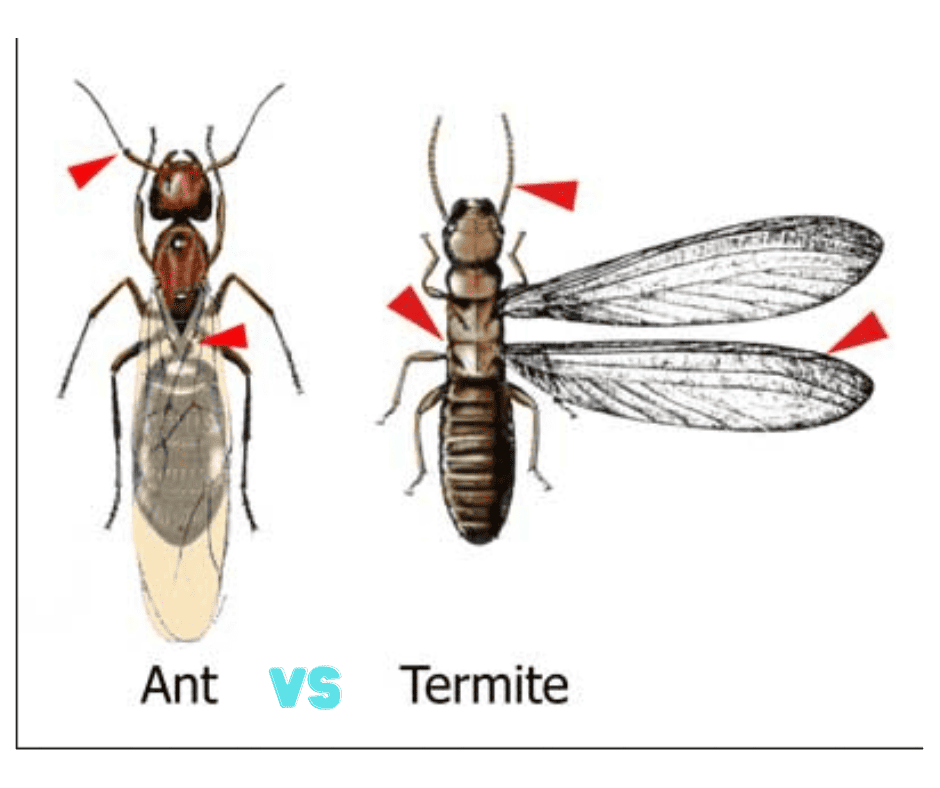
A key difference between carpenter ants and termites lies in their body shape. Carpenter ants have a distinct, narrow waist, while termites have a thicker, more uniform body.
Physical Appearance:
Carpenter Ants: Larger, with a distinct segmented body and elbowed antennae.
Termites: Smaller, with a straight, uniform body and bead-like antennae.
Swarming Behavior:
Carpenter Ants: These ants swarm in smaller numbers and often fly erratically.
Termites: Termites swarm in larger numbers and fly in a more coordinated manner.
Carpenter ants don’t actually eat wood; they excavate it to create tunnels for their nests. These tunnels can weaken the structural integrity of the wood and make it more susceptible to damage.
90 days
Carpenter ants are omnivores, meaning they eat both plant and animal matter.
Their diet primarily consists of:
Honeydew: A sugary substance excreted by aphids and other insects.
Other Insects: Carpenter ants are predators and will consume other insects, including termites.
Protein-rich Foods: They are attracted to protein sources like meat, pet food, and dead insects.
Sweet Substances: Carpenter ants are also drawn to sugary liquids like fruit juices and nectar.
We proudly serve Palm Bay, Suntree, Viera, Rockledge, Cocoa Village, Merritt Island, Cape Canaveral, Cocoa Beach, Satellite Beach, Indian Harbour Beach, Indialantic, Melbourne Beach, Vero Beach, Sebastian, Grant-Valkaria, and Barefoot Bay.
Yes, in addition to our carpenter ant service, we offer once-a-year fire ant control, ghost ant control, white-footed ant treatments, Argentine ant control, crazy ants, rover ants, and much more!
Signs of a carpenter ant infestation include:
Small piles of sawdust-like material
Hollow-sounding wood
Ant trails leading to and from wood sources
Carpenter ants can cause significant structural damage to homes by tunneling through wood. They can weaken wooden beams, joists, and other structural components.
Carpenter ants can enter homes through cracks and crevices in the foundation, walls, and roof. They are often attracted to moisture and decaying wood.
While carpenter ants aren’t typically aggressive, they can bite if provoked. Their bites can be painful and may cause allergic reactions in some individuals. It’s important to use caution, especially if you’re sensitive to insect bites.
The most pestivious ants on the barrier island are Bigheaded Ants, Ghost Ants, Fire Ants, Argentine Ants, White-Footed Ants, Caribbean Crazy Ants, and Rover Ants.
CARPENTER ANT TREATMENT
CARPENTER ANT PREVENTION
Related Links; Carpenter Ant Removal
https://entnemdept.ufl.edu/creatures/urban/ants/c_planatus.htm
Cities and Towns We Serve:
We proudly provide pest control & termite control services to these communities.