
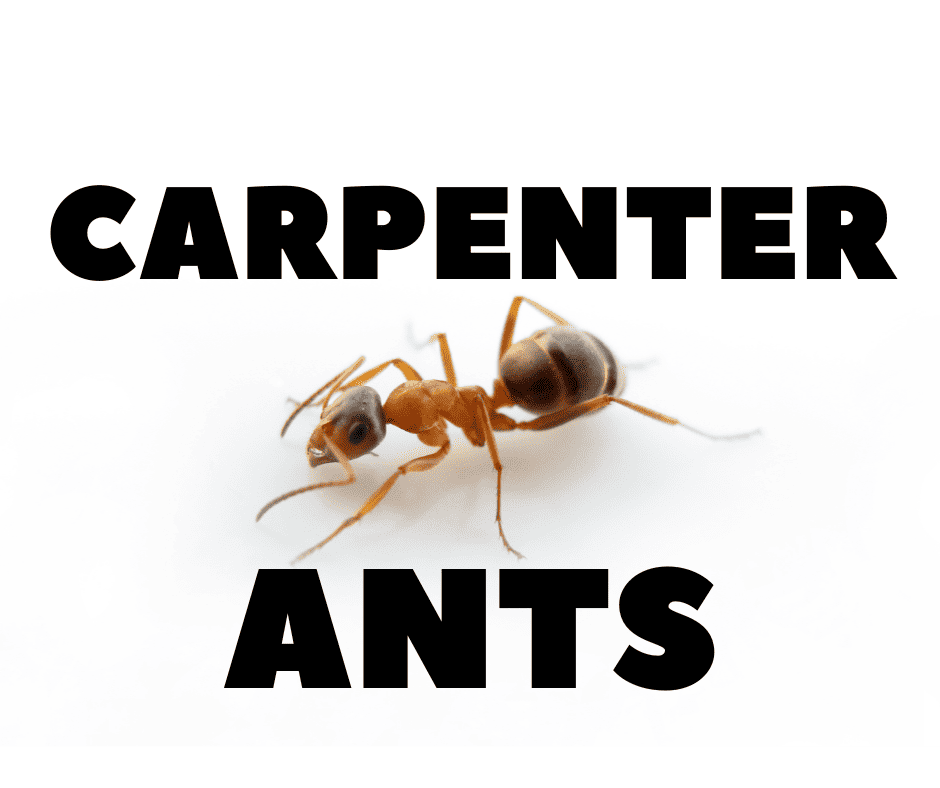
Professional carpenter ant control starting at $299. Attic dusting with Delta Dust included. Owner-operated, 90-day guarantee. Serving Brevard and Indian River County for over 20 years. Call 321-704-0434.
Carpenter Ant Control Starting at $299
If you are seeing large dark ants in your home at night, especially in the kitchen, bathroom, or coming down from the ceiling, you are almost certainly dealing with carpenter ants. In Brevard and Indian River County they are sometimes called bull ants, and they are one of the more frustrating pest problems in this area because they are hard to track down and easy to underestimate.
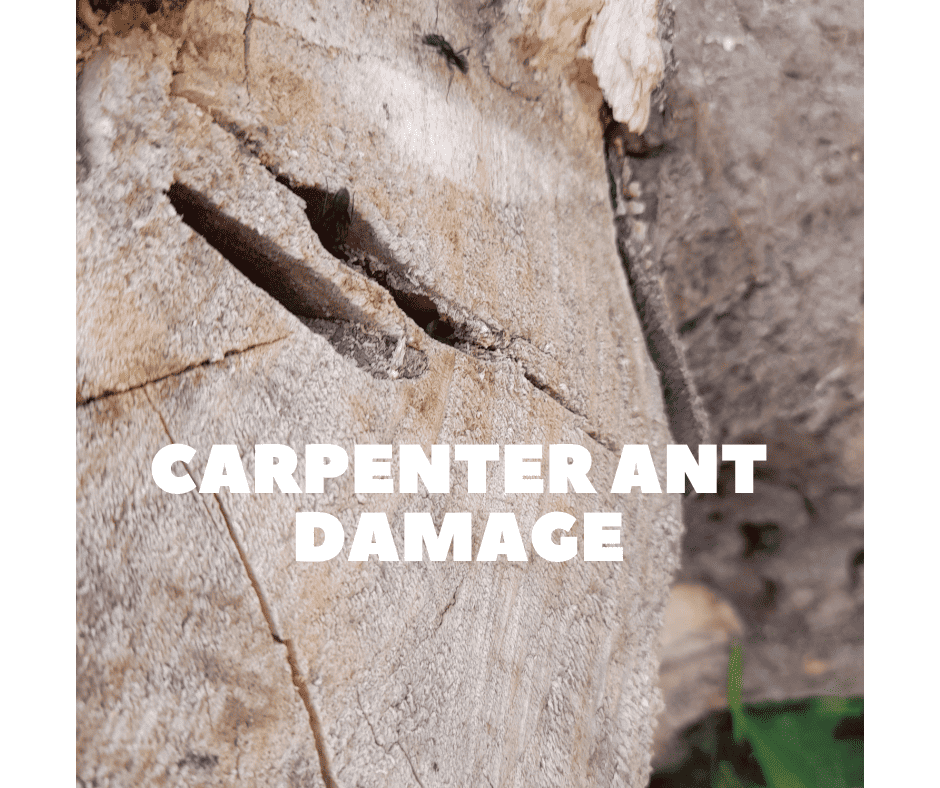
Carpenter ants do not eat wood the way termites do. They excavate it to build nests, carving out smooth tunnels and galleries in soft, moist, or decaying wood. Their presence almost always signals a moisture problem somewhere in or around your home, and finding the nest means finding the source of that moisture.
I have been tracking down and eliminating carpenter ant colonies across this area for over 20 years. Every inspection and every treatment is done by me personally. I know where these ants hide in Florida homes, including a few spots that most people would never think to look, and I have the equipment and the products to treat the ones that are genuinely hard to reach.
Attic dusting with Delta Dust is included in every carpenter ant treatment at no extra charge, and it is the reason my service resolves infestations that other companies cannot.
Call or text 321-704-0434 or book online below.
⭐WHAT OUR CUSTOMERS HAVE TO SAY ABOUT US
Homeowners across Brevard County and Indian River County consistently rate Pest & Lawn Organic Guard 5 stars for professionalism, transparency, and guaranteed results. Here’s what they’re saying:




Why Attic Dusting Makes the Difference
Carpenter ants are highly mobile. They pick up and move their nests when disturbed, which is why treatments that only address the areas you can see often result in the ants simply relocating within the structure. The nest you found in the wall void moves to the attic. The colony you treated near the garage door shows up in the kitchen three weeks later.
The attic is where a lot of carpenter ant infestations either originate or end up, and most pest control companies do not treat it effectively. They may spray the perimeter and call it done. I go into the attic and apply Delta Dust throughout the entire space using a specialized modified blower that creates air currents to carry the dust into every corner, every eave, every void, and every harborage area. Carpenter ant nests in attics can be tiny and nearly impossible to locate visually. A thorough Delta Dust treatment does not require finding the nest. It treats the entire space and eliminates whatever is up there.
Delta Dust is the world’s only 100% waterproof insecticidal dust. It does not clump, does not break down in humidity, and keeps working for months after application. In a Florida attic, that matters. One application gives you lasting protection even in the warm, humid conditions that carpenter ants seek out.
This is included in the $299 treatment price. No add-ons, no upsells.
Our Guaranteed Carpenter Ant Control Process
How I Find Carpenter Ant Nests
Finding the nest is the hardest part of any carpenter ant treatment, and it is what separates a thorough job from a temporary fix. Here is how I approach it.
Start with Any History of Leaks
If your home has had any roof leaks, plumbing leaks, or water intrusion anywhere, that is the first place to look. Carpenter ants are drawn to wood that has been softened by moisture, and a past leak, even one that has been repaired, often leaves behind wood that is still attractive to them. I ask about leak history before I start every inspection.
The Garage Door Frame
This is one that most homeowners would never find on their own, and I have discovered carpenter ant colonies here in at least 20 homes throughout my career. The vertical lumber on either side of a garage door, typically a 2×6 or 2×8, is usually not installed all the way to the ground. Builders leave a gap at the bottom to prevent the wood from wicking up ground moisture. That gap creates a void that is dark, slightly damp, and completely undisturbed. Carpenter ants love it. If you are seeing ants coming in through the garage, this is worth checking.
Palm Tree Crowns
Carpenter ants nest in the crowns of palm trees regularly in this area, particularly in queen palms and cabbage palms. The moisture trapped in the boot of a cabbage palm or in dead fronds provides ideal nesting conditions. I treat palm tree crowns from the ground using a power sprayer with enough reach to penetrate the crown without climbing. If the infestation is coming from outside and the source is not immediately obvious, the palms are one of the first places I look.
[coupon couponid=”2441″ name=”50$ off recurring service”], [coupon couponid=”2442″ name=”$50.00 OFF Termite Treatment”], [coupon couponid=”2443″ name=”$15.00 OFF MOSQUITO INSTALL”]
Other Common Nesting Sites
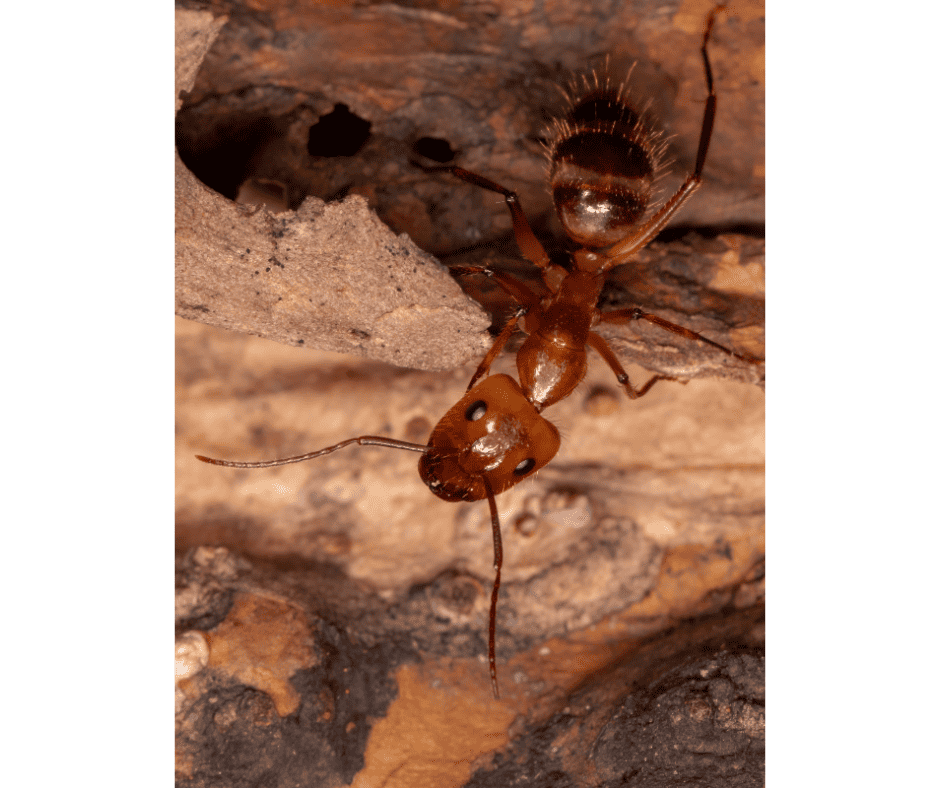
Beyond those, I inspect tree bases, old stumps, woodpiles, decaying landscaping timbers, fence posts, and anywhere moisture and soft wood are present near the structure. Inside the home I check attics, wall voids near plumbing, bathrooms, kitchens, and any area with past water damage.
I have found carpenter ant colonies in a toilet brush holder. I have found them nesting inside the door of a Ford Ranger. These ants are adaptable and they will nest anywhere that gives them moisture and protection. A thorough inspection covers every possibility, not just the obvious ones.
The Early Morning Trick
If the nest is not obvious, one of the most reliable ways to find it is to watch ant trails in the early morning just before sunrise. Carpenter ants forage at night and head back to the nest as daylight approaches. Following that morning commute will often lead directly to the colony, whether it is indoors or somewhere in the yard.
Understanding Carpenter Ants in Florida
The Two Main Species in This Area
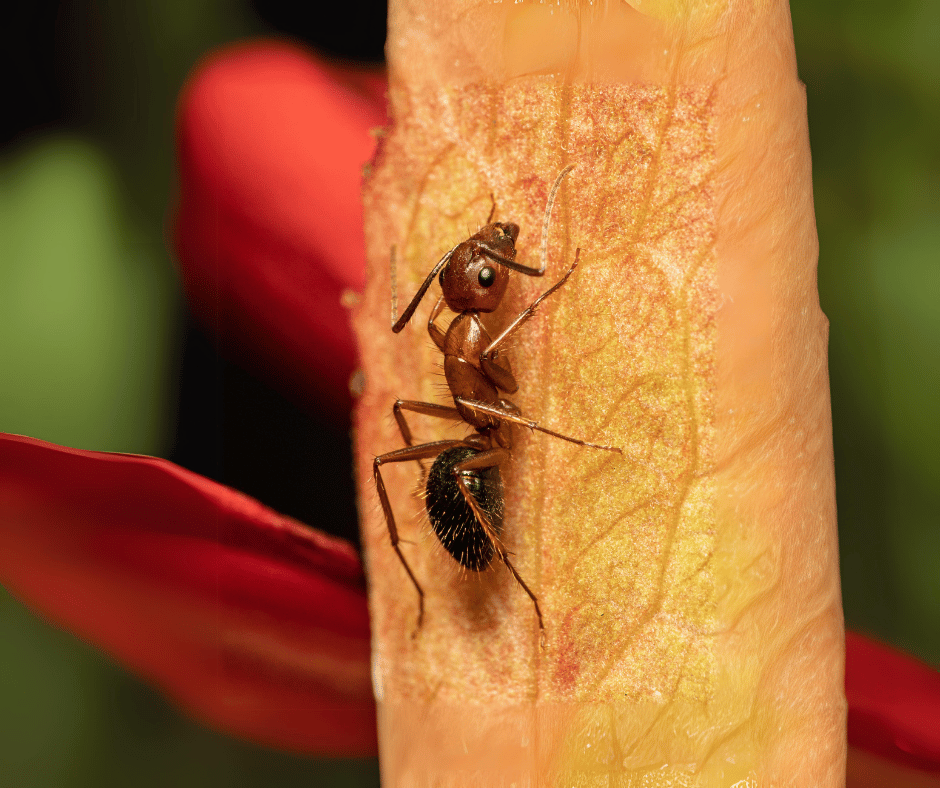
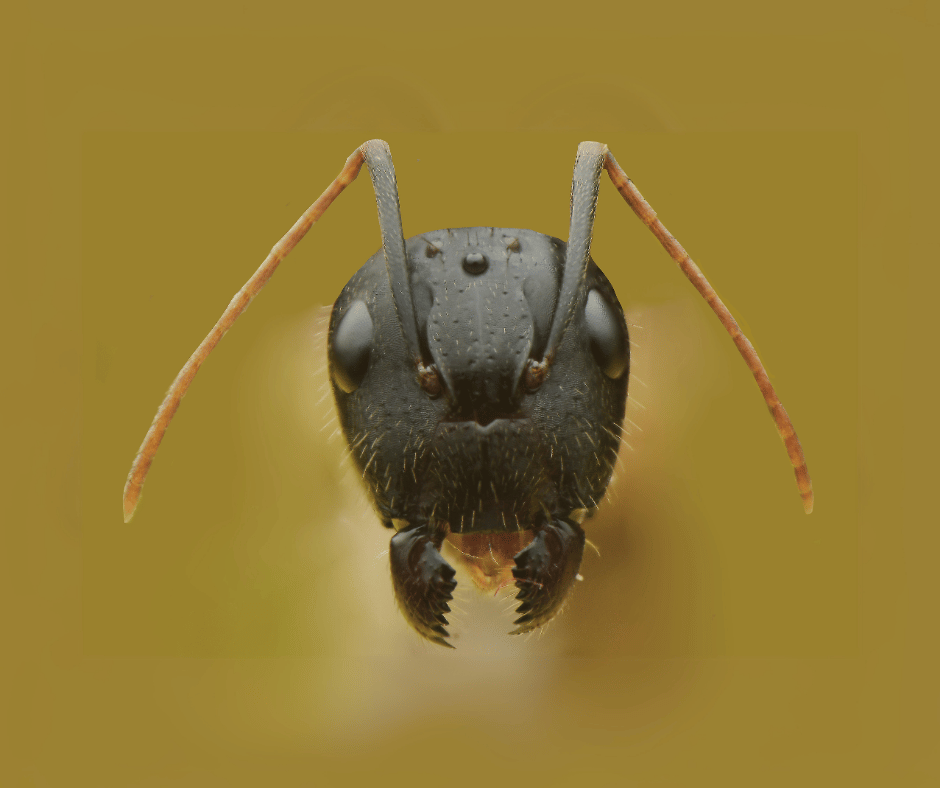
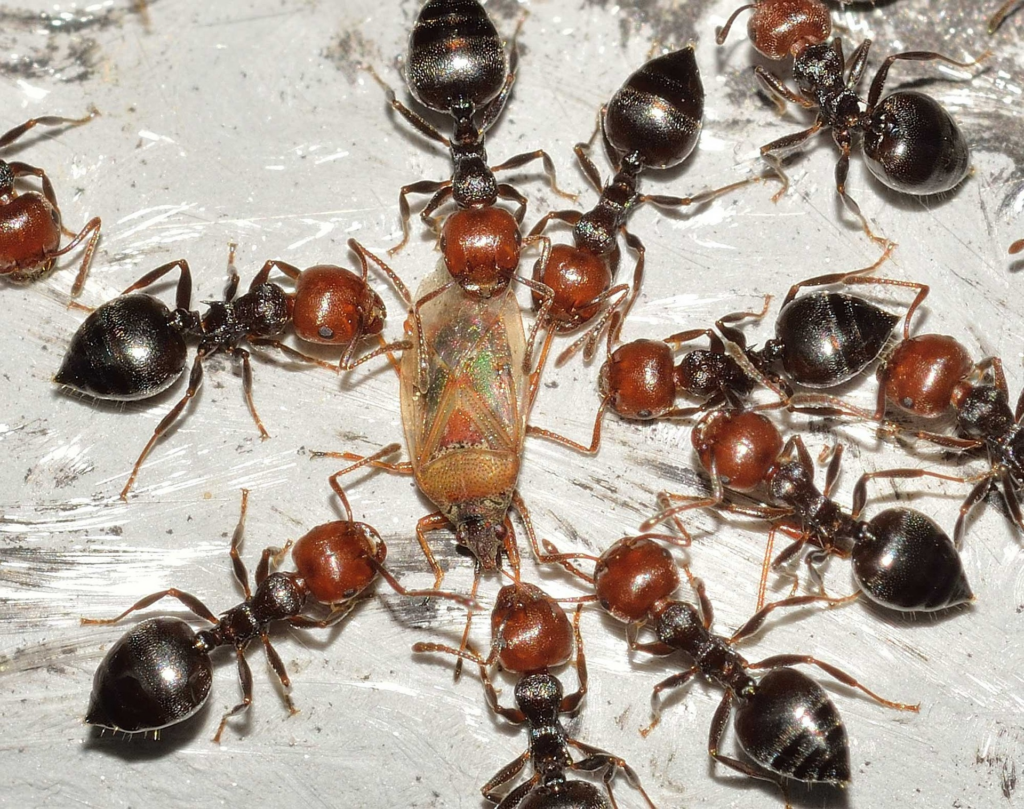
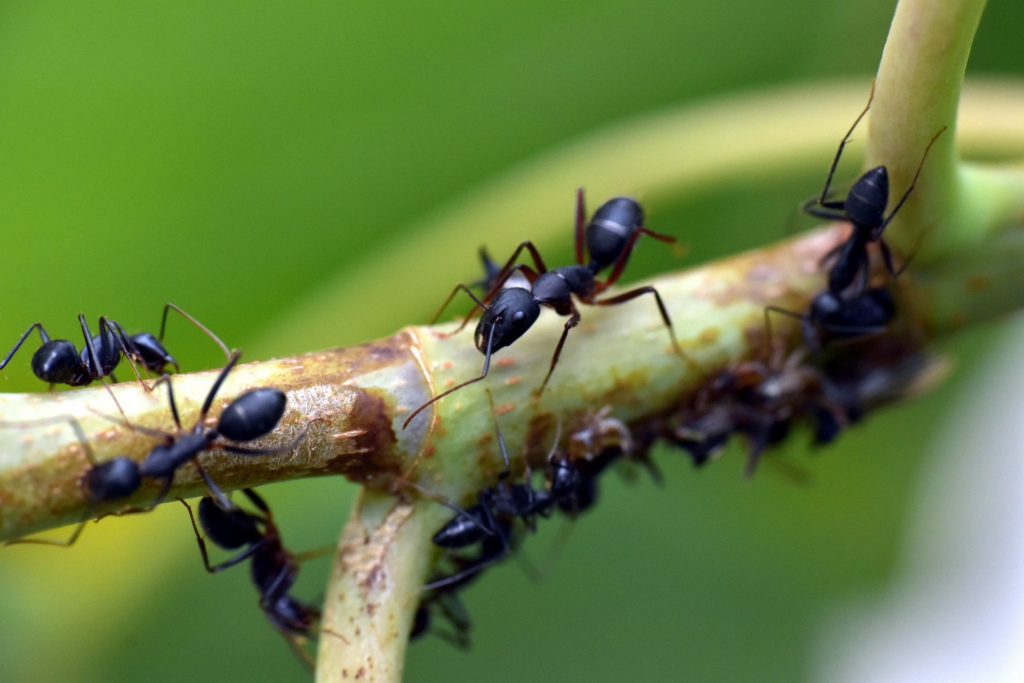
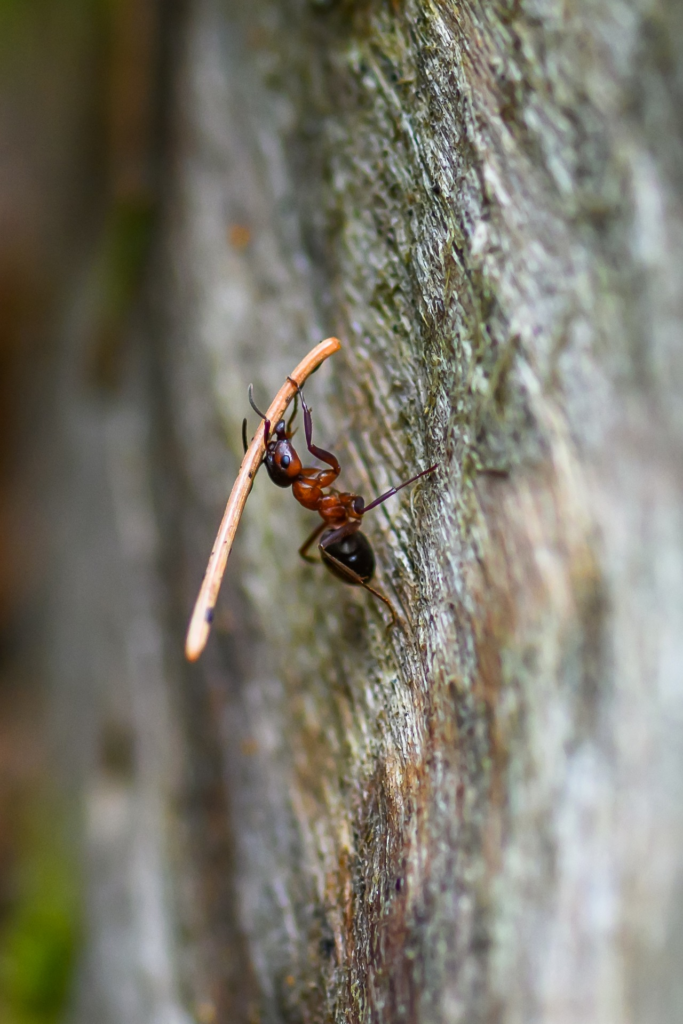
- Florida Carpenter Ant: The most common species in Brevard and Indian River County. Black body with bright orange or reddish legs. Frequently found nesting in moist or decaying wood inside structures, in attics, and in landscaping around the home.
- Tortugas Carpenter Ant: Smaller, typically black with distinct red legs. More often nests in dead trees and decaying wood outdoors but will move inside when outdoor colonies expand.
How to Tell Them Apart from Termites
This is a question I get regularly, and it matters because the treatment is completely different.
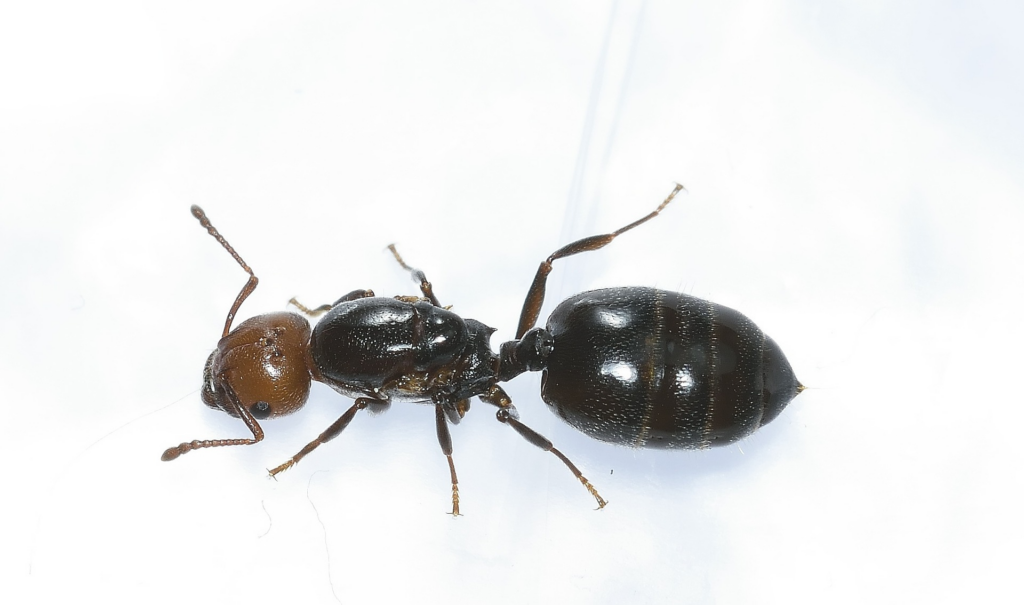
Carpenter ants have a distinct narrow waist, elbowed antennae, and a segmented body. They are noticeably larger than most household ants. Termites have a thick, uniform body, straight bead-like antennae, and no visible waist. Swarming carpenter ants fly erratically in smaller numbers. Termite swarms are larger and more coordinated.
If you are seeing winged insects inside your home and are not sure which one you are dealing with, call me and I will tell you.

Have Carpenter Ant Questions?
Text or call me at (321)704-0434, or Email us at David@321Pest.com
Signs You Have Carpenter Ants
The clearest sign is seeing large dark ants inside the home at night, particularly in kitchens, bathrooms, or near windows and doors. Other signs include small piles of sawdust-like material called frass, which is wood debris mixed with insect body parts, hollow-sounding wood when you tap on it, and visible ant trails leading to or from wood sources. Seeing winged swarmers inside the home is a strong indicator of a significant established colony.
When Do They Swarm in Florida?
Carpenter ant swarms in Brevard and Indian River County typically happen from April through June, often following rain. Swarmers are reproductive ants looking to establish new colonies. Seeing them outside is normal in season. Seeing them inside consistently is a sign of an existing colony in or very near the structure.
What Do Carpenter Ants Eat?
They are omnivores. Their diet includes honeydew produced by aphids and scale insects on plants, other insects, protein sources like pet food and meat scraps, and sweet liquids. One reason I treat the plants, trees, and bushes around the home during a carpenter ant service is that scale and aphid activity on landscaping produces honeydew that draws carpenter ants in and keeps them foraging close to the structure.
The Treatment
What the Service Includes
Every carpenter ant treatment starts with a full property inspection, inside and out. I check every likely nesting site including the garage door frames, palm tree crowns, tree bases, woodpiles, attic, and any moisture-prone areas inside the home.
Treatment combines professional-grade liquid insecticide applied to the exterior perimeter, targeted spray to all identified nesting sites and foraging areas including the base of plants, trees, and palm crowns using my power sprayer, bait placement along active trails when appropriate, and Delta Dust attic treatment covering the full attic space.
The attic dusting is included in every treatment. It is not an add-on.
Pricing
| Service | Price |
|---|---|
| Carpenter ant treatment including attic dusting (most homes up to 3,500 sq ft) | $299 |
| Larger homes or heavily vegetated properties | Custom quote after inspection |
A 90-day guarantee is included with every treatment. If carpenter ants return within 90 days, I come back at no additional charge.
Seniors and active military receive 10% off.
Trying to Handle It Yourself First?
I understand wanting to try before calling. Here is what actually works and what does not.
Finding the Nest on Your Own
Start outside. Take a sturdy stick or screwdriver and probe around old stumps, tree bases, woodpiles, decaying fence posts, and the base of palm trees. Check the gap at the bottom of your garage door frame. If your home has had any leaks, start there first.
If you cannot find the nest by probing, try the early morning trail method. Get outside just before sunrise, find an ant trail, and follow it. Carpenter ants heading home at dawn will lead you to the colony.
If You Find the Nest
A direct application of a contact insecticide into the nest opening will knock it back. Most hardware store products will work for a visible, accessible outdoor nest. Read the label carefully and make sure the product is labeled for the location you are treating.
Baiting When You Cannot Find the Nest
If the nest is hidden, baiting is your best option. For outdoor nests, granular baits from brands like Terro or Bayer work well. Apply them dry along ant trails and near suspected entry points. Wet bait does not work because carpenter ants will not touch it.
For indoor activity, gel bait placed along trails and near cracks and crevices is more targeted. Keep baits away from children and pets.
One critical step before baiting: clean thoroughly. If there are crumbs, spills, or other food sources available, the ants will eat those instead of the bait. Remove competing food sources first.
When to Call
DIY methods work for accessible, localized nests. When the nest is inside the structure, in the attic, in a wall void, or if you have tried and the problem keeps coming back, that is when professional treatment is worth it. Missing a satellite nest or a hidden parent colony is the most common reason infestations persist after DIY attempts.
Preventing Carpenter Ants
A few conditions make a property significantly more attractive to carpenter ants. Addressing these reduces your long-term risk.
- Fix any leaks promptly. A slow drip under a sink or a roof leak that gets repaired but leaves behind wet wood is exactly what carpenter ants are looking for. Any past leak history in the home is worth inspecting.
- Remove decaying wood from the property. Old stumps, dead trees, rotting fence posts, and firewood stacked against the foundation all provide nesting habitat close to the house.
- Trim back vegetation. Branches touching the roofline give carpenter ants a direct path into the attic. Keep trees and large shrubs trimmed back from the structure.
- Store firewood away from the house. Stacked wood against the foundation is one of the most reliable ways to invite carpenter ants close to the structure.
- Manage outdoor lighting. Carpenter ant swarmers are drawn to light. Turning off exterior lights during swarming season reduces how many end up investigating your home.
- Address scale and aphid problems on landscaping. The honeydew these insects produce is a food source that draws carpenter ants in. Treating plant pest problems removes one of the main reasons they stay close to the structure.
Service Area
I serve homeowners throughout Brevard and Indian River County including:
Palm Bay, West Melbourne, Melbourne, Suntree, Viera, Rockledge, Merritt Island, Cocoa, Cocoa Beach, Cape Canaveral, Satellite Beach, Indian Harbour Beach, Indialantic, Melbourne Beach, Vero Beach, Indian River Shores, Sebastian, Grant-Valkaria, Barefoot Bay, and surrounding communities.
Ready to Get Rid of Carpenter Ants for Good?
Call or text 321-704-0434 or book online below.
Carpenter ant control pairs well with our [Attic Dusting Service] and [General Pest Control] plan. Ask about combining services when you book.
Carpenter Ant Control FAQ
Pest & Lawn Organic Guard | Brevard & Indian River County
Understanding Carpenter Ants
What are carpenter ants and why are they in my home?
Carpenter ants do not eat wood. They excavate it to build nests, carving out smooth tunnels in wood that is soft, moist, or decaying. If you have carpenter ants, you almost certainly have a moisture problem somewhere in or around your home. That might be an old leak, a dripping pipe, a rotting stump in the yard, or damp wood in the attic. The ants are a symptom of a condition. Finding and correcting that condition is part of solving the problem.
How do I know if I have carpenter ants?
The most common sign is seeing large dark ants inside the home at night, particularly in kitchens, bathrooms, or near windows. Other signs include small piles of sawdust-like material called frass near baseboards or window sills, hollow-sounding wood when you tap on it, and faint rustling sounds inside walls at night. Seeing winged carpenter ants inside the home is a strong indicator of an established colony in or very near the structure.
How do I tell carpenter ants apart from termites?
Look at the waist. Carpenter ants have a distinct narrow waist, elbowed antennae, and a clearly segmented body. Termites have a thick uniform body, straight bead-like antennae, and no visible waist. Carpenter ants also swarm in smaller numbers and fly erratically. Termite swarms are larger and more coordinated. If you are not sure which one you are dealing with, call me and I will help you figure it out before you spend money treating for the wrong pest.
What do carpenter ants eat?
They are omnivores. They feed on honeydew produced by aphids and scale insects on plants, other insects, protein sources like pet food and dead insects, and sweet liquids. This is one of the reasons carpenter ants are often found foraging near heavily planted areas or homes with aphid and scale problems on landscaping.
Can carpenter ants damage my home?
Yes, over time. They do not consume wood the way termites do, but the tunnels they excavate can weaken structural wood, and an infestation that goes untreated for years can cause significant damage to beams, joists, and other wooden components. Their presence also signals underlying moisture and decay that causes its own damage independent of the ants.
Are carpenter ants dangerous to people?
They are not aggressive but they can bite if handled or provoked, and the bite is painful. They also spray formic acid into the bite wound, which intensifies the sting. Most people are not seriously affected, but those with insect sensitivities should use caution.
When do carpenter ants swarm in Brevard and Indian River County?
Swarms typically happen from April through June, often after rain. Seeing swarmers outside during this period is normal. Seeing them consistently inside is a sign of an established colony in or very near the structure and warrants a professional inspection.
What are the most common ant species on the barrier island?
The most problematic ants on the barrier island are bigheaded ants, ghost ants, fire ants, Argentine ants, white-footed ants, Caribbean crazy ants, and rover ants, in addition to carpenter ants.
About the Treatment
How much does carpenter ant treatment cost?
The service starts at $299 for most homes up to 3,500 square feet. That price includes a full property inspection and attic dusting with Delta Dust at no additional charge. Larger homes or properties with heavy vegetation receive a custom quote after inspection. No hidden fees, no contracts.
Is attic dusting included in the carpenter ant treatment?
Yes, and this is one of the things that makes this service different from most companies in the area. Carpenter ants frequently nest in attics or relocate there when disturbed. I treat the full attic space with Delta Dust using a specialized blower that distributes the dust throughout the entire attic, not just the area around the hatch. It is included in the $299 price.
How quickly can I expect results?
Most customers see a significant reduction in activity within 24 hours of treatment. The combination of direct nest treatment, exterior barrier application, and attic dusting addresses the infestation from multiple angles at once.
Do you treat palm trees during the service?
Yes. Carpenter ants frequently nest in the crowns of palm trees, particularly queen palms and cabbage palms. I treat them from the ground using a power sprayer with enough reach to penetrate the crown. If the infestation is coming from outside and the source is not immediately obvious, the palms are one of the first places I look.
Why do you spray all the plants, trees, and bushes around the house?
Two reasons. First, carpenter ants commonly nest at the base of trees and in decaying spots in trunks and palms, so treating the vegetation addresses potential nesting sites directly. Second, scale insects and aphids on plants produce honeydew that attracts and sustains carpenter ants near the structure. Treating the plants removes that food source and reduces the draw.
What is the guarantee?
Every carpenter ant treatment comes with a 90-day guarantee. If carpenter ants return within 90 days of treatment, I come back at no additional charge.
Do you treat other ant species?
Yes. In addition to carpenter ants I offer once-a-year fire ant control, ghost ant treatment, white-footed ant control, Argentine ant treatment, crazy ant control, rover ant treatment, and more.
Finding and Preventing Carpenter Ants
Where do carpenter ants typically nest?
Common nesting sites include rotting tree stumps, the base of old trees, palm tree crowns, decaying fence posts and landscaping timbers, woodpiles, attics with any moisture history, wall voids near plumbing, and anywhere wood has been softened by past water intrusion. I have found colonies in garage door frames, inside a toilet brush holder, and nesting inside the door panel of a truck. If there is moisture and soft wood, carpenter ants will find it.
Why should I check my garage door frame?
The vertical lumber on either side of a garage door is typically not installed all the way to the ground. Builders leave a gap at the bottom to prevent the wood from wicking up ground moisture. That gap creates a dark, slightly damp, undisturbed void that carpenter ants find very attractive. I have found active carpenter ant colonies in garage door frames in at least 20 homes throughout my career. If you are seeing ants coming in through the garage, check there first.
If my home has had leaks, should I mention that?
Absolutely, and it is the first thing I ask about on every inspection. Past leaks, even repaired ones, often leave behind wood that has been softened by moisture and is still attractive to carpenter ants years later. Any history of roof leaks, plumbing leaks, or water intrusion is a high-priority starting point for the inspection.
What can I do to prevent carpenter ants?
Fix leaks promptly and address any past water damage. Remove old stumps, dead trees, and rotting wood from the property. Keep firewood stored away from the structure. Trim back branches and vegetation that touch the roofline or exterior walls. Address scale and aphid problems on landscaping since the honeydew they produce draws carpenter ants in. Turn off exterior lights during swarming season to reduce how many swarmers investigate the home.
Can I get rid of carpenter ants myself?
For a localized, accessible outdoor nest, yes. Probing around stumps, tree bases, and the garage door frame with a screwdriver, following morning ant trails back to the colony, and applying a contact insecticide directly into the nest can work for straightforward situations. Granular bait works well for outdoor nests you cannot locate directly, and gel bait is useful for indoor activity. The most important step before baiting is removing competing food sources so the ants take the bait instead of ignoring it.
Where DIY typically falls short is with nests inside the structure, in wall voids, or in the attic. Missing a satellite nest or a hidden parent colony is the most common reason infestations come back after DIY treatment. If you have tried and the problem persists, that is the sign of a more complex infestation that needs professional treatment.
Is there a link to a DIY guide?
Yes. For a full walkthrough of the DIY process, products, and steps: University of Florida Carpenter Ant Resource
Related Links; Carpenter Ant Removal
https://entnemdept.ufl.edu/creatures/urban/ants/c_planatus.htm
Cities and Towns We Serve:
We proudly provide pest control & termite control services to these communities.