Termite Mud Tubes: How to Identify Them and What to Do If You Find One
What termite mud tubes look like, how to tell them from ant shelter tubes, and what to do if you find one in your Brevard or Indian River County home. Call 321-704-0434.
Termite Mud Tubes: A Critical Warning Sign
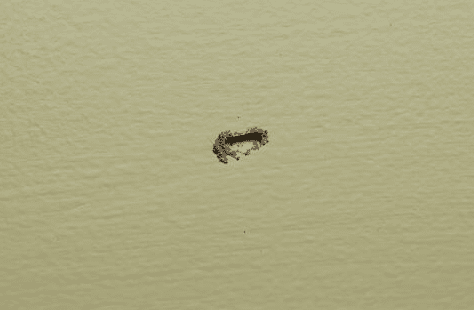
If you have spotted a strange dirt-colored streak running up your foundation, along a baseboard, or down from your ceiling, you may be looking at a termite mud tube. Mud tubes are one of the clearest visible signs of subterranean termite activity, and they often appear long before homeowners notice any other indication that termites have been quietly eating their home.
After over 25 years of inspecting homes for termites in Brevard and Indian River County, I have seen thousands of mud tubes in every conceivable location, on foundations, on interior drywall, on attic trusses, on furniture, and even running down from ceilings. The good news is that a mud tube on your property is not automatically a disaster. It is a warning sign. Acting on that warning quickly is the difference between a manageable treatment and significant structural damage.
This page covers what mud tubes are, how to identify them, how to tell them apart from similar-looking ant shelter tubes that are common in Florida, and what you should do if you find one.
What Is a Termite Mud Tube?
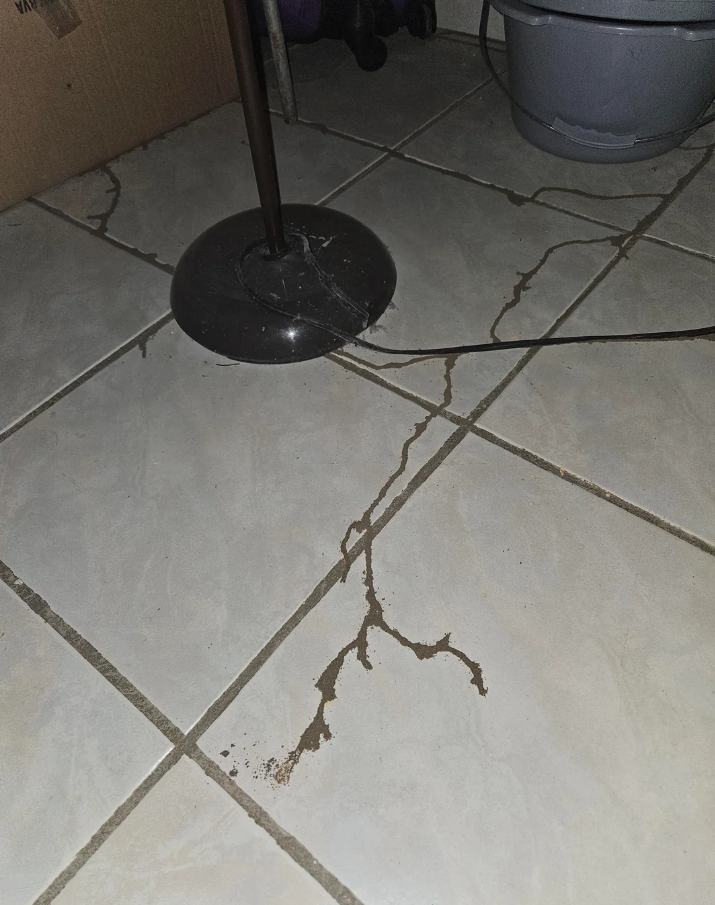
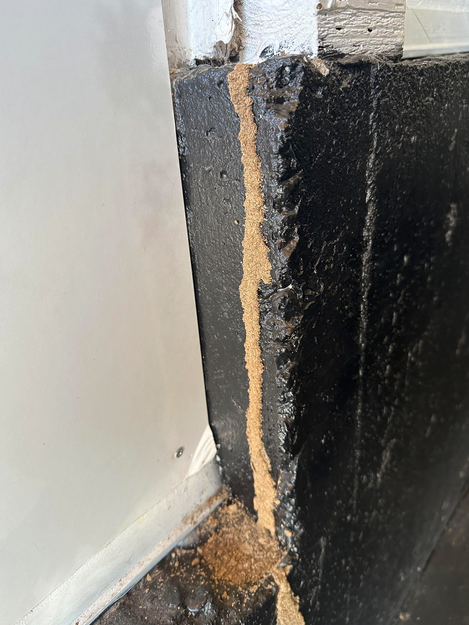
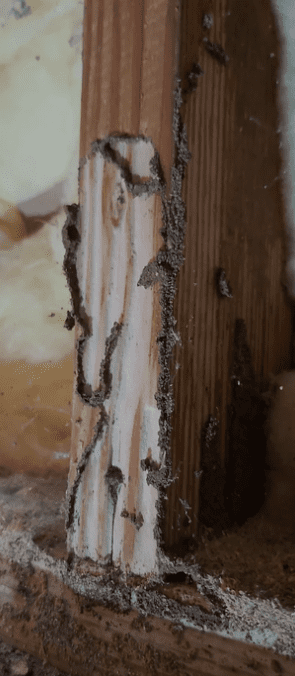
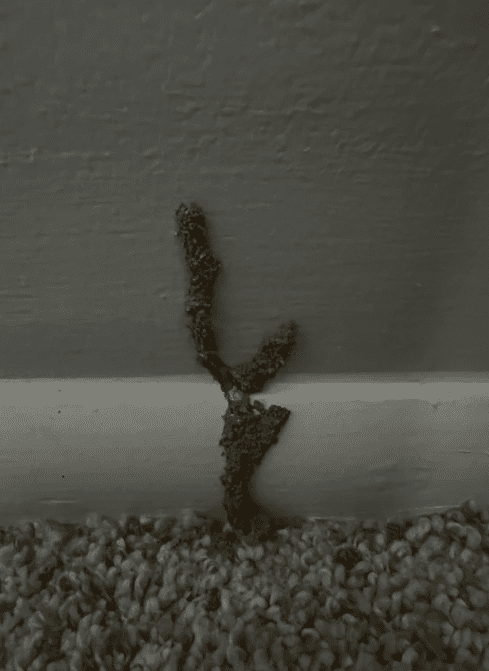
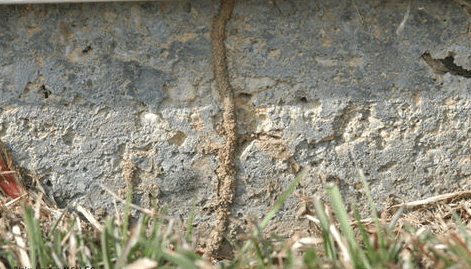
A termite mud tube is a small, pencil-sized tunnel built by subterranean termites from a mixture of soil, wood particles, saliva, and termite waste. The tubes serve as protected pathways between the termite colony in the soil and the wood they are feeding on. Subterranean termites cannot survive in dry air. They need humidity and protection from sunlight and predators, and the mud tube provides both.
A worker termite can construct several inches of mud tube per day. The tubes can extend in any direction, up walls, across ceilings, along framing, and over masonry surfaces that the termites themselves cannot eat. Some tubes are active and full of workers traveling back and forth. Others are abandoned exploratory tubes the colony built searching for food and left behind when they did not find what they were looking for.
Even abandoned tubes are a serious sign. They mean termites were active on your property recently enough to build the structure. The colony may have moved on to a different area of the home or a different food source, but it is still in the area.
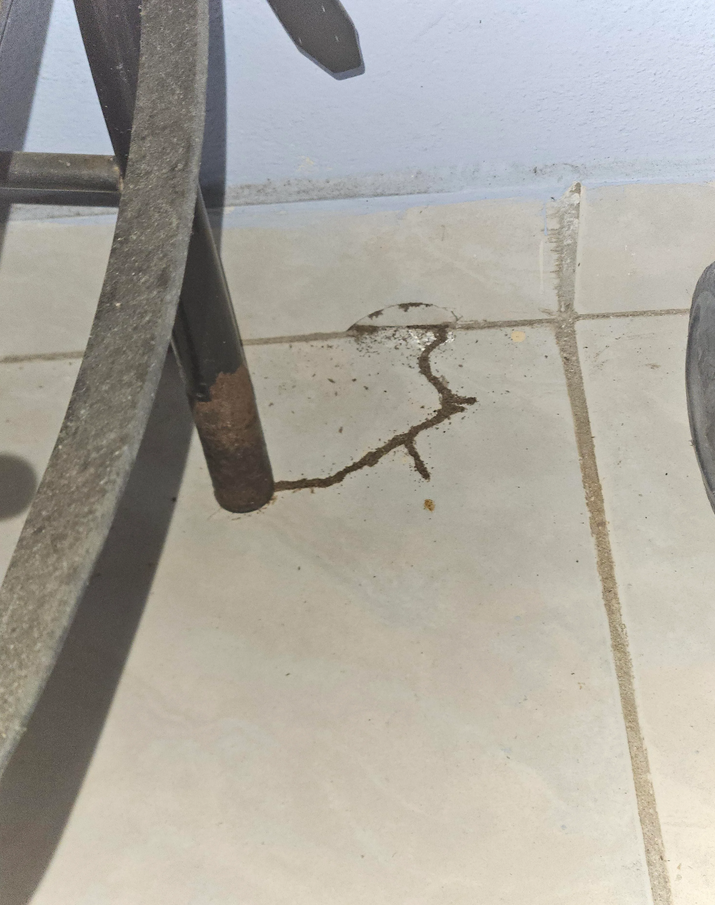
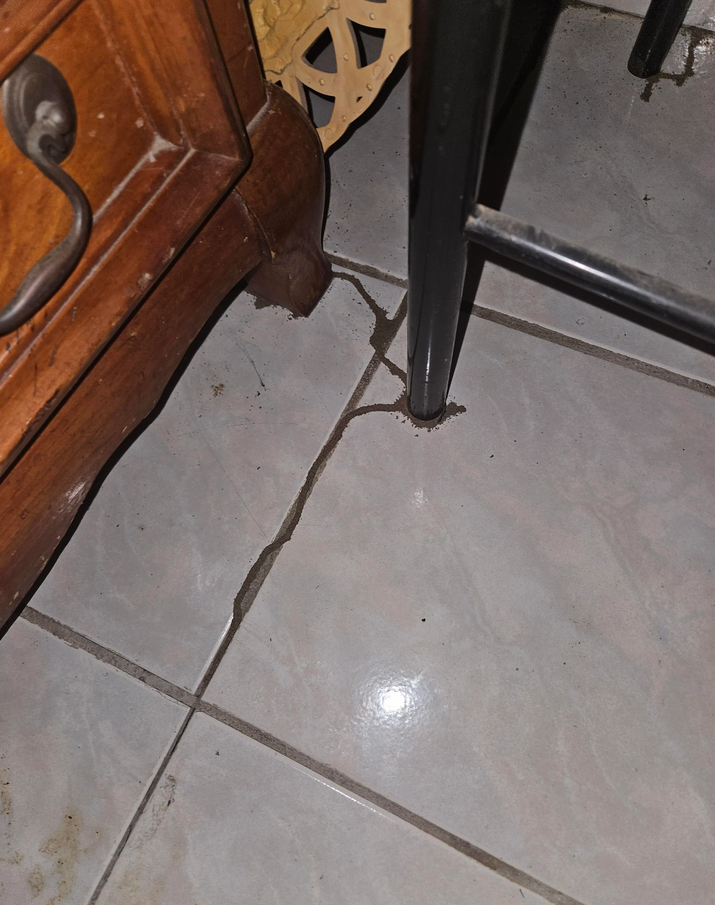
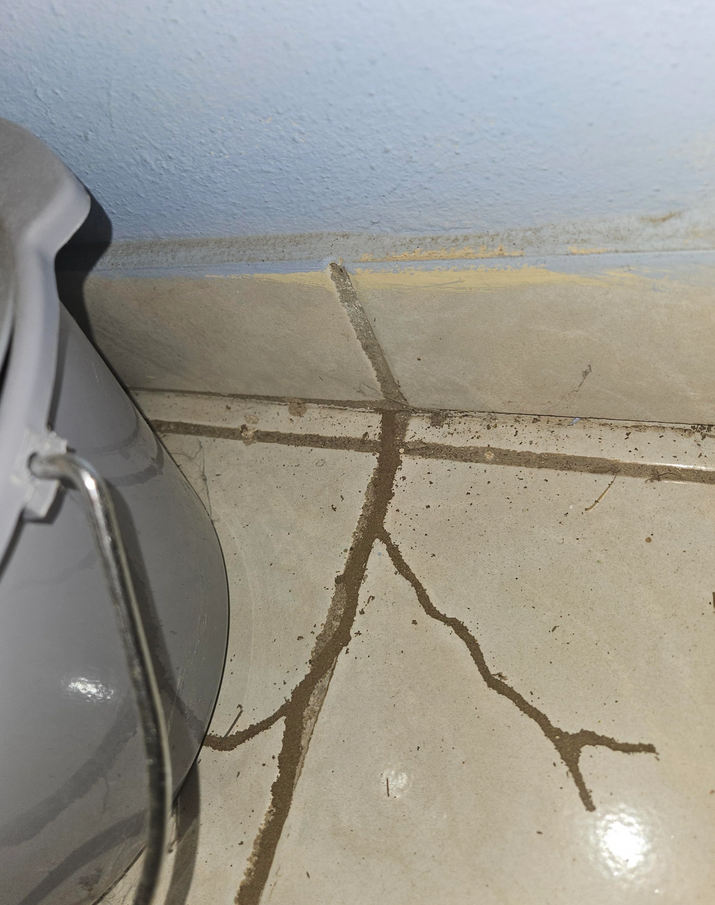
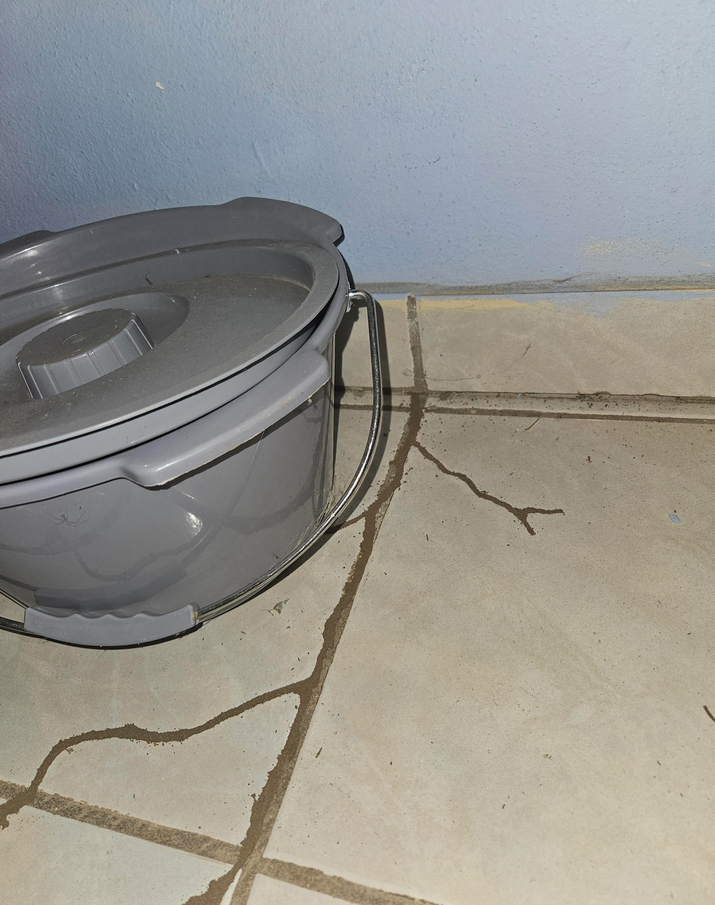
Where Termite Mud Tubes Are Found
Mud tubes can appear almost anywhere termites need a protected travel path. The most common locations include:
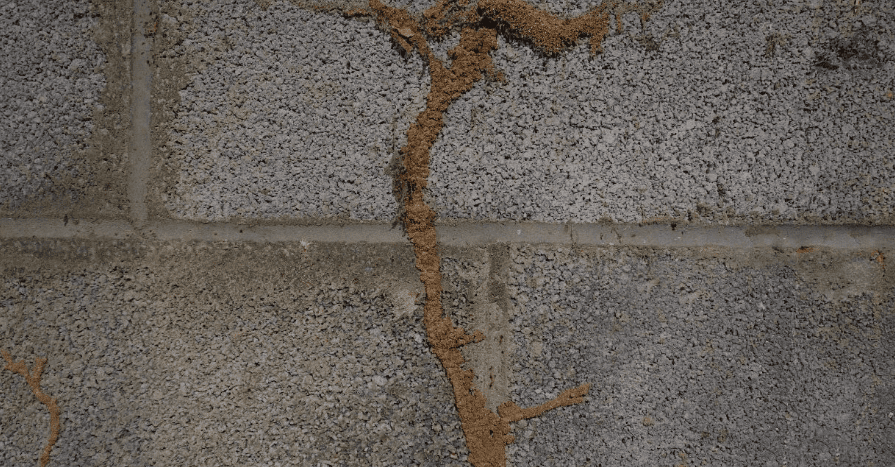
- On foundation walls. This is the classic location. Tubes run vertically up the exterior or interior of a concrete foundation, connecting the soil to wood framing above.
- Along baseboards inside the home. When termites have made it inside, they often build tubes along the bottom edge of walls where the drywall meets the floor.
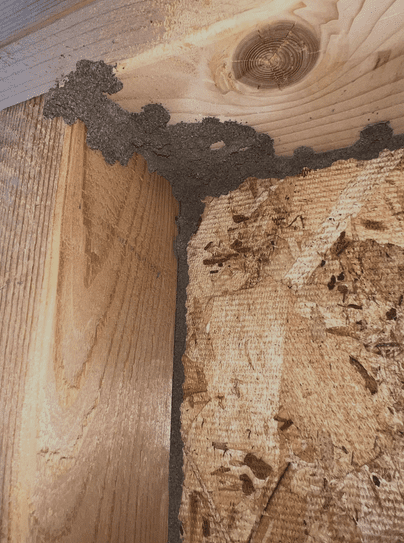
- In garages. Mud tubes are commonly found on garage walls and on the exposed wood framing of the garage ceiling.
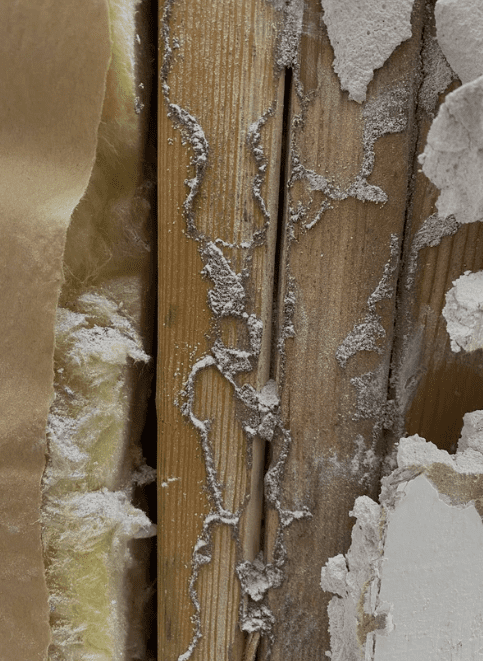
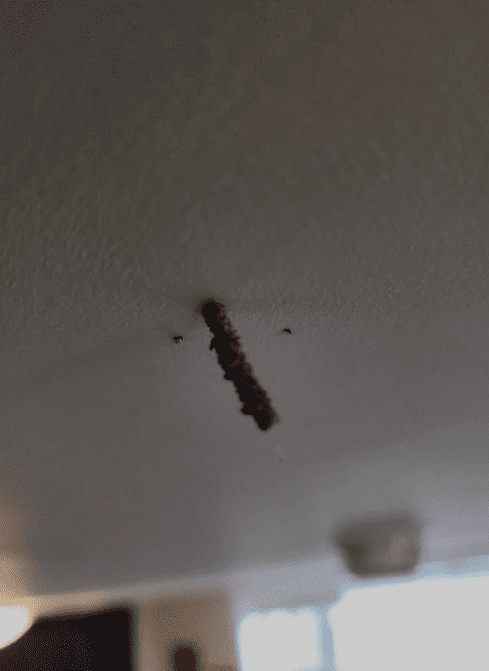
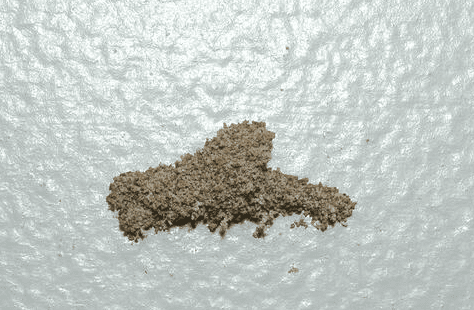
- Emerging from cracks in drywall or ceilings. This is one of the more alarming signs. A mud tube hanging down from the ceiling or extending across drywall means termites have made it deep into the structure.
- On exposed wood framing, beams, and joists. Anywhere termites need to travel between wood members or across an exposed surface, they will build a tube.
- On furniture or wood items resting near the ground. A piece of stored lumber, a wooden deck box, or a cabinet that touches the ground can become a termite travel route.
- Inside walls. When termites travel through wall voids, they sometimes build tubes on the interior surfaces of drywall. These are not visible until the wall is opened, but they are a clear sign of active infestation.
Concrete block homes are not exempt. Termites travel up cinder block walls, through the cells of concrete blocks, and across solid concrete surfaces to reach wood. The exterior material of your home does not protect against mud tube construction or termite entry.
How to Tell Termite Mud Tubes Apart From Ant Shelter Tubes
This is the part most homeowners get wrong, and it is the most important section of this page.
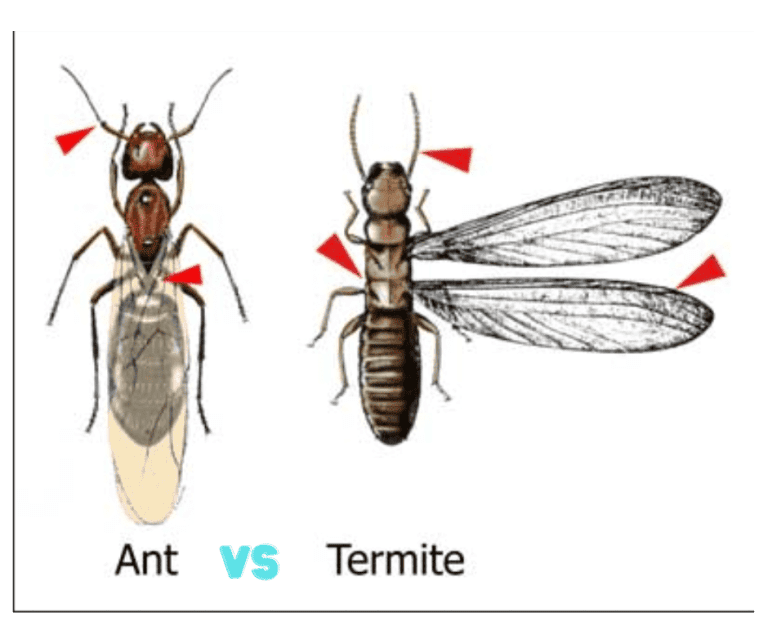
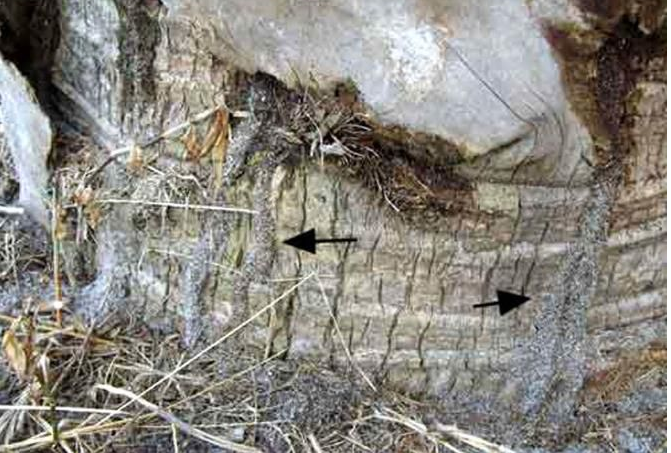
In Florida, several species of ants build structures that look remarkably similar to termite mud tubes. The two most common are big-headed ants (Pheidole megacephala) and certain fire ants. Both species build covered shelter tubes from soil, sometimes on the exact same surfaces where termites build their tubes. To an untrained eye, the structures can be nearly indistinguishable.
Misidentifying an ant tube as a termite tube wastes money on the wrong treatment. Misidentifying a termite tube as an ant tube can let termite damage continue while the homeowner thinks they have a minor nuisance problem.
Here is how to tell the difference.
The Scrape Test
The fastest and most reliable identification method is the scrape test. Gently scrape away a small section of the tube with a screwdriver or your finger, exposing the inside, and watch what happens.
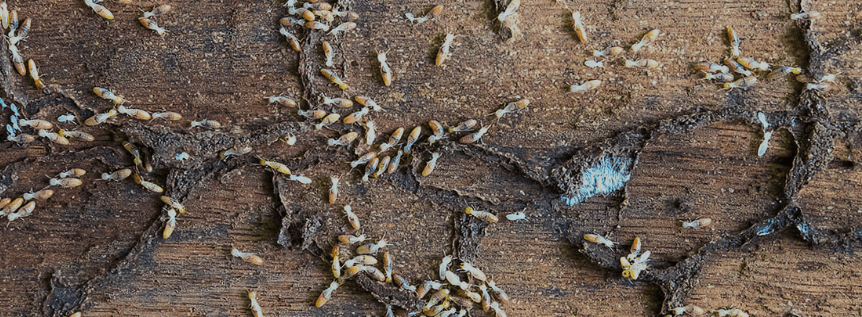
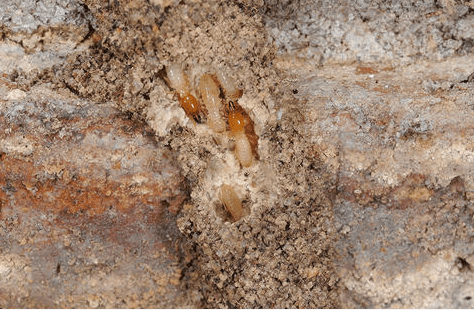
If it is termites: Within 30 seconds, soldier termites with large, armored heads will emerge to defend the breach. Termite soldiers are creamy white or pale tan with disproportionately large brown or black heads and mandibles. They are slow-moving but determined, and they will arrive at the damaged area in numbers within a minute.
If it is big-headed ants: You will see ants inside immediately. Some will scatter, some will pile up in the damaged section. The ants will have visible body segments with a clear waist and elbowed antennae. The “big-headed” worker caste has a head that is genuinely oversized for its body, sometimes wider than the abdomen.
If it is fire ants: You will see small reddish-brown ants emerge quickly and aggressively. Fire ants will start running on whatever you are using to do the scraping. Be careful, they can sting.
If nothing emerges within a few minutes: The tube may be abandoned. Old termite tubes and old ant tubes are both possible. Look at other tubes on the property and inspect for additional signs of active termite activity, mud streaks on drywall, hollow-sounding wood, discarded wings, or frass.
Visual Comparison
Here is how the three types of tubes typically differ:
| Feature | Termite Mud Tube | Big-Headed Ant Tube | Fire Ant Tube |
|---|---|---|---|
| Appearance | Smooth, uniform, often slightly damp looking | Rougher, more fibrous, often with visible soil particles | Often more crumbly and uneven |
| Texture | Tightly packed soil and saliva, holds its shape well | Looser construction, falls apart more easily | Looser, often partially covered foraging trails rather than full tubes |
| Width | Roughly the diameter of a pencil, very consistent | Variable, often less uniform | Variable, sometimes only partial cover |
| Common location | Foundations, drywall, attic trusses, baseboards | Cabbage palms, foundations, tree trunks, soil edges | Lawn edges, near nests, around mounds |
| What’s inside | Pale, soft-bodied workers and large-headed soldiers | Brown ants with two distinct worker sizes (one with huge head) | Small reddish-brown ants that sting |
| Response to disturbance | Soldiers arrive within 30 seconds to defend the breach | Ants scatter immediately, often visible right away | Aggressive, fast, ants run toward the disturbance to sting |
| Indicates | Active subterranean termite infestation in or near the home | Big-headed ant colony, usually outdoor with possible indoor activity | Fire ant foraging or nesting, primarily a yard pest |
The scrape test is genuinely the best diagnostic tool a homeowner has. The differences in the table are useful, but in the field the tubes can look similar enough that the scrape test is what gives you a definitive answer. If you do not feel comfortable doing the scrape test yourself, send me a photo at 321-704-0434 and I will tell you what you have at no charge.
Warning Signs That a Mud Tube Indicates Active Termite Damage
Some mud tube locations are particularly concerning because they suggest termites have already penetrated the structure significantly.
- Tubes on interior drywall or ceilings. When you find a mud tube on the inside of the home, particularly running down from the ceiling or extending across drywall, the termites are not just exploring. They have established themselves deep in the structure and are actively feeding. This requires immediate professional inspection.
- Tubes that are clearly active when broken open. A mud tube full of moving workers is a sign that termite traffic between the soil and a wood food source is ongoing. The damage is happening right now, not in the past.
- Soldiers with very large heads emerging from a broken tube. Most subterranean termite soldiers have proportionally large heads compared to workers, but if you see soldiers with truly oversized, dark heads emerging in significant numbers, you may be dealing with Formosan subterranean termites. Formosans are an aggressive invasive species that build much larger colonies than native Eastern subterranean termites and can do damage significantly faster. They are present in this area and the infestation requires prompt professional treatment.
- Multiple tubes in different locations around the home. A single tube is a warning. Multiple tubes in different areas mean termites have established multiple feeding sites and the colony has been active long enough to expand.
- Tubes combined with other signs of termite activity. Discarded wings near windows, hollow-sounding wood, frass on floors near wood surfaces, or a musty odor in any area of the home all suggest the situation has progressed beyond exploratory tubes to active feeding.
What to Do If You Find a Mud Tube
Whether the tube turns out to be active or abandoned, termite or ant, the right next step is professional inspection. Here is the order of operations I recommend.
- Do not break open every tube right away. If you suspect termites, breaking open the tube does give you the scrape test answer, but it also alerts the termites and they will often rebuild or abandon the tube and create new ones in less visible locations. If you can resist the urge to scrape until I can get out and look at it, that is helpful for diagnosis.
- Take photos. Document what you see. Multiple angles, in good light, with something for scale (a coin, a pencil) next to the tube. This is useful both for me to evaluate and for your own records.
- Note the location. Mark where you found the tube on a rough sketch of your home. If you find multiple tubes, mark all of them. The pattern of tube locations tells me a lot about where the colony is and how to treat it.
- Look for other signs of termite activity. Walk the perimeter of the home. Look at the foundation, the exterior wood elements, and any wood structures near the home. Inspect baseboards and door frames inside. Check the attic if you can. Anything else suspicious adds context.
- Do not delay calling. If the tubes are active, every week of delay means more structural damage. Termite damage compounds quickly once a colony is feeding. The cost of treatment now is dramatically less than the cost of treatment plus repair later.
What Will Happen When I Come Out to Inspect
A termite inspection from me is straightforward. I will walk the entire perimeter of the home looking for tubes, signs of conducive conditions, and entry points. I will go through the inside of the home checking baseboards, door frames, and any visible wood. I will inspect the attic if accessible. I will use a probe and a flashlight to check suspicious wood surfaces.
If I find an active infestation, I will tell you what species I am dealing with and what the treatment will look like. If the tubes are abandoned or turn out to be ants, I will tell you that too. I have no incentive to sell you a termite treatment if you do not need one, and over 25 years of doing this honestly is how I have built a customer base across Brevard and Indian River County.
If treatment is needed, the pricing is transparent. Subterranean termite treatment is $0.79 per square foot on a monolithic slab, which is what most homes in this area have. The slider on my termite control page gives you an instant exact price. Treatment is backed by a $1,000,000 repair warranty with annual renewals starting at $265 that include a personal inspection and booster treatment.
In Florida, Termites Are Not a Question of If, But When
The climate here is essentially perfect for subterranean termites. Warm soil year-round, plenty of moisture, abundant wood, and no winter dormancy to slow them down. Combined with the buried slash pine and other underground food sources common in much of Brevard and Indian River County, the result is a constant level of termite pressure on every home in the area.
The homes that avoid termite damage are not the ones that got lucky. They are the ones with proper treatment in place and an active warranty when the inevitable happens.
If you have found a mud tube, take it seriously. Get it identified, get the situation evaluated, and get it treated if treatment is needed. The cost of acting on a warning sign is always less than the cost of waiting until the damage is visible.
Call or text 321-704-0434 to schedule a free termite inspection. Send a photo of any tube you have found and I will help you identify it before I even get there.
Get Your Instant Termite Treatment Price with Our Online Slider
Schedule Your Service Online in Minutes
Frequently Asked Questions About Termite Mud Tubes
✅ Want True Peace of Mind?
If you’re seeing strange streaks of dirt or suspect you have mud tubes – even if you’re unsure of the exact pest – don’t hesitate. Pest & Lawn Organic Guard, your local veteran-owned and owner/operated termite specialists, has you covered.
Whether it’s destructive termites, nuisance ants, or another issue, we’re trained to accurately identify the problem and provide effective solutions.
Don’t wait for streaks of mud to signal extensive damage.