
Termite control for West Melbourne homes from $0.79 per sq ft. Instant pricing, $1M warranty, 25+ years experience. Veteran-owned, owner-operated. Call 321-704-0434.
Termite Control in West Melbourne
West Melbourne is a real mix. Older homes that have been here for decades sit alongside newer developments that have gone up over the past several years. That diversity in housing stock means termite risk varies significantly from property to property, but one thing is consistent across the city: subterranean termites are active here year-round and there is no construction type that is immune to them.
The areas closer to I-95 have a particular risk worth mentioning. When those lots were originally cleared for construction, slash pines that grew on the land were often buried or left to decay underground rather than fully removed. Decomposing slash pine is one of the favorite food sources for Eastern subterranean termites, and colonies feeding on buried wood underground can sustain themselves for years before any signs appear in the home above. Once that buried food is consumed, the colony expands outward, and the wood framing of nearby houses is exactly what they reach next.
I have been doing termite control on the Space Coast for over 25 years, and I have treated thousands of homes in Brevard County alone. Before I started Pest & Lawn Organic Guard, I worked for a national pest control chain doing nothing but termite control for years. That focused experience matters when something unusual comes up during a treatment, and unusual things come up regularly in West Melbourne given how varied the homes are.
See your termite treatment price in seconds using the square footage slider below. No salesperson, no waiting.
Or call or text 321-704-0434.
Book Your West Melbourne Termite Solution Today!
Here’s what our Customers say about us!




Instant Online Pricing
Most termite companies make you wait for a salesperson before they will tell you what anything costs. That salesperson is there to figure out what you can pay before quoting a price.
That is not how I operate.
Slide the estimator to your home’s square footage and the price for a complete subterranean termite treatment on a monolithic slab appears immediately. The pricing is transparent: $0.79 per square foot for monolithic slab homes, which is what most West Melbourne homes are. Supported slabs and floating foundations, more common on some of the older properties and custom builds in the area, are $2.35 per square foot because both sides of the foundation need to be treated to create a complete barrier.
The price you see is the price you pay. No upsells, no surprise charges at the door.
Buried Slash Pine and West Melbourne Termite Pressure
This is the part of West Melbourne termite risk that most homeowners do not know about, particularly those in newer developments closer to I-95.
A lot of West Melbourne lots, especially in the areas west of the older parts of the city, had slash pine trees growing on them before construction. During the lot clearing process, those trees were often not fully removed. Stumps and root systems were buried in place, pushed into the ground, or left to decay underground as part of preparing the lot for the home that was about to go on top of it.
Decomposing slash pine underground is essentially a long-term food source for any subterranean termite colony that finds it. Colonies feeding on buried wood can be active for years before any signs show up inside the home, and by the time activity appears in the house, the colony has often grown large enough to do real structural damage in a relatively short time.
This is one of the strongest arguments for annual termite inspections in West Melbourne. Buried wood underground is invisible. The colony feeding on it is invisible. The mud tubes do not appear until the colony has reached the structure, and at that point the damage clock is already running. Professional inspection catches activity early, which is the difference between a manageable treatment and significant repair costs.
Why You Get Better Termite Control From an Owner-Operator
At large pest control companies, the license that allows the company to operate often belongs to someone who does not work at your local branch. The technician at your door may have been hired with minimal experience and trained over a few weeks. Termite work is technical, and a treatment that is done sloppily or in the wrong location is the same as no treatment at all.
When you hire me you get the licensed owner-operator who has personally treated thousands of homes in Brevard County and spent years doing nothing but termite control at a national chain before going independent. I do the inspection. I do the trenching. I do the application. I am personally responsible for the result, and in over 25 years I have never filed an insurance claim for termite damage. Not once. That happens because the work gets done right the first time.
How I Treat Subterranean Termites
The standard approach is what is called the trench and treat method. I move items away from the foundation, dig a shallow trench in the soil around the perimeter, apply a long-lasting professional-grade termiticide to the exposed soil and the foundation wall, and treat the backfill as I replace it. The result is a continuous termiticide barrier that subterranean termites cannot cross to reach the structure.
For interior issues, the wall void injection needle lets me treat inside walls through a pinhole at the top of a baseboard, which I fill with drywall spackle afterward. You will barely know it was done. Significantly less invasive than the extensive drilling that used to be standard practice.
For homes with soil voids, slab cracks, or any drainage-related erosion under the foundation, I have sub-slab injection equipment to deliver termiticide directly under the slab, and termiticide-infused foam that expands to fill voids and crawl spaces. Most termite companies in West Melbourne do not have this capability or the experience to use it correctly. For the older homes in West Melbourne especially, where settling and drainage issues are more common, this equipment is what makes treatment effective in conditions where standard approaches would not be enough.
Even without an active warranty, a properly applied subterranean treatment is designed to provide over a decade of protection.
TimBor Attic Treatment for Drywood Termites
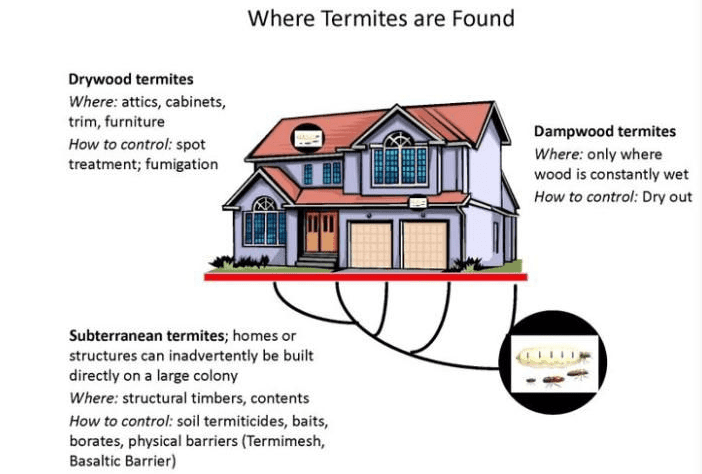
For just $300 added to your subterranean treatment, I can also provide a complete attic borate treatment that prevents drywood termites and lasts the life of the wood.
TimBor is a borate-based product that I apply as a light spray to the lumber in your attic, almost to the point of runoff. The borate soaks into the wood, and over the following couple of years it distributes throughout the lumber. The result is wood that is permanently impervious to termites. Drywood termites that try to feed on treated wood die. Existing colonies hiding in the lumber are eliminated as the borate spreads. New colonies cannot establish themselves.
The remarkable thing about borate treatment is that it does not break down over time the way most insecticides do. Once it is in the wood, it stays there. We are talking over 100 years of protection from a single application.
Combined with subterranean soil treatment, the attic borate gives your home complete termite protection from below and above. The $300 add-on is one of the better investments any West Melbourne homeowner can make, especially given the mix of older and newer construction here.
| Service | Price |
|---|---|
| TimBor attic treatment, first 1,500 sq ft | $300 |
| Each additional 500 sq ft | $50 |
Older Homes vs Newer Construction in West Melbourne
The diversity of homes in West Melbourne means termite treatment looks different depending on what you have.
- Older homes often have more settling, more drainage issues that have developed over time, and sometimes original construction that did not account for modern termite prevention standards. Cracked slabs, additions that were built over the years, and aging exterior elements all create potential entry points. These homes benefit most from the sub-slab injection capability and the wall void treatment options I have.
- Newer homes are not protected just because they are newer. The buried slash pine issue affects newer construction directly, especially in the developments closer to I-95. Preconstruction treatment, if it was done, has a shelf life. Cracks develop in slabs over time. Drainage that worked the day the house was completed can change as landscaping matures and the property settles.
Both categories need ongoing termite protection. Neither is exempt from Florida’s year-round termite activity.
Pricing
| Treatment Type | Price |
|---|---|
| Subterranean termite treatment, monolithic slab | $0.79 per sq ft |
| Subterranean termite treatment, supported or floating slab | $2.35 per sq ft |
| TimBor attic treatment, first 1,500 sq ft | $300 |
| TimBor each additional 500 sq ft | $50 |
| Annual warranty renewal | Starting at $265 |
| WDO report for real estate transactions | $250, or free with termite treatment |
| Termite agreement transfer to new homeowner | $50 |
Warranties include re-treatment and repair guarantees up to $1,000,000. Seniors and active military receive 10% off.
The Annual Warranty
My termite warranty renews annually starting at $265. Every renewal includes a personal inspection by me and a booster treatment of termiticide applied to the soil around your foundation. That booster accounts for things that change over time, new landscaping, soil settling, drainage changes, anything that could affect the integrity of the original barrier. Most companies do not include this. I do.
If termites breach the barrier during the warranty period, retreatment is covered. Repair coverage up to $1,000,000 is included.
If you sell the home, the agreement transfers to the new homeowner for $50.
Signs of Termites in Your West Melbourne Home
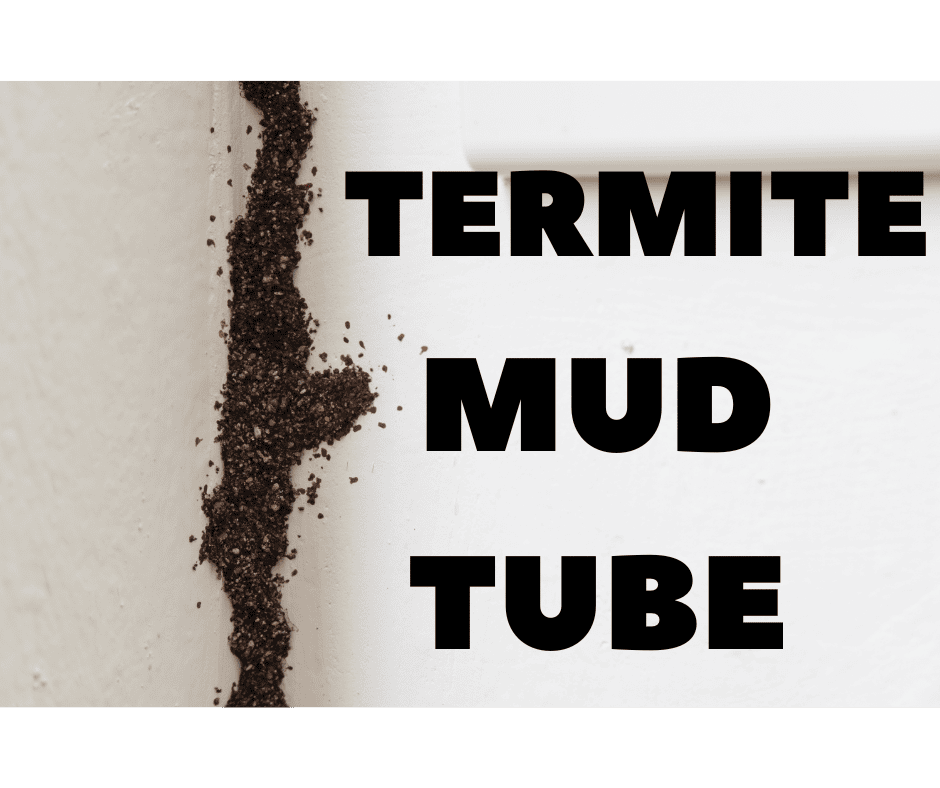
Mud tubes on foundation walls, floor joists, or anywhere soil meets wood. Discarded wings near windows or in spiderwebs after a swarm. Hollow-sounding wood when you tap on baseboards or door frames. Small piles of frass that look like sand or coffee grounds underneath wood surfaces. A distinct musty odor in any area of the home, often the first sign I detect during inspection before any physical evidence is visible.
If you see any of these, do not wait. The damage compounds quickly once a colony is established.
Identifying Your Home’s Foundation Type in West Melbourne
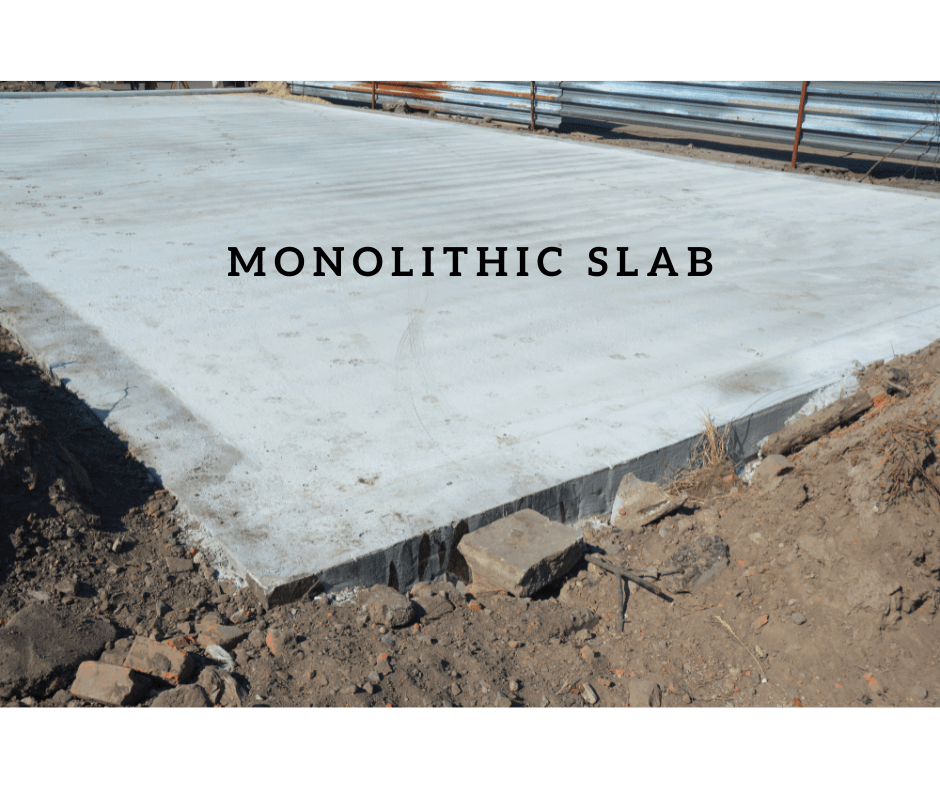
Understanding your home’s foundation type is key to accurate termite treatment and pricing. In West Melbourne, particularly with many of the newer constructions, you’ll commonly find monolithic slabs. These are single, solid pieces of concrete poured directly onto the ground, where the footings and the main slab are integrated as one continuous unit. This is a very efficient and common foundation style for modern Florida homes.
However, West Melbourne also features a diverse range of older homes and custom builds, including those with supported slabs (like stem wall or floating slabs) and even crawlspace constructions.
Not sure about your West Melbourne home’s specific slab or foundation type? Don’t worry!
Simply call Pest & Lawn Organic Guard at 321-704-0434 for a free, no-obligation inspection. As your local owner/operator and veteran, I’ll quickly identify your home’s foundation, assess any unique structural elements, and provide you with a precise, transparent estimate for your termite control needs.
Monolithic Slabs: The West Melbourne & Florida Standard
Monolithic slabs are indeed the preferred and most common foundation choice for homes throughout Florida, including the vast majority of properties in West Melbourne. They are highly favored for their exceptional durability and remarkable adaptability to our sandy, often high-water-table soils.
These foundations are inherently strong, highly resistant to Florida’s unique climate challenges (including moisture and heat), and are generally cost-effective to construct. This makes them a popular and reliable choice for both homeowners and builders seeking a solid, long-lasting base for their properties, from new developments to custom homes. At Pest & Lawn Organic Guard, we have extensive experience treating homes built on monolithic slabs.
Supported Slab Termite Treatment in West Melbourne: Comprehensive Protection
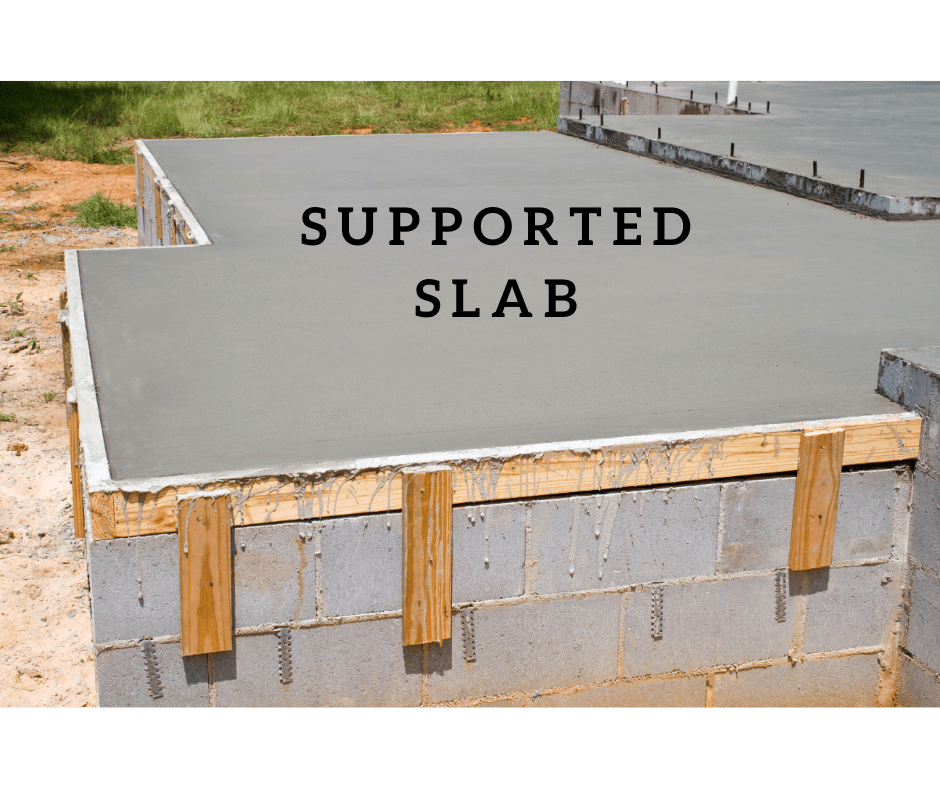
Supported slabs, also known as stem wall foundations or homes with crawl spaces, are common in various West Melbourne areas. These foundations are built on piers, beams, or blocks, creating a raised structure with a visible crawl space underneath. You’ll often find them in areas with poor soil conditions, uneven ground, or for larger, heavier, luxury, and custom-built residences, including many older and oceanfront homes.
Termite treatment for supported slabs is typically more involved and, consequently, more expensive than for monolithic slabs. This is due to the necessity of treating both the interior and exterior sides of the foundation walls within the crawl space, ensuring comprehensive and impenetrable protection against subterranean termites. At Pest & Lawn Organic Guard, as your local veteran owner/operator, we have the specialized expertise to effectively treat all types of supported slab and crawl space foundations in West Melbourne, ensuring complete peace of mind.
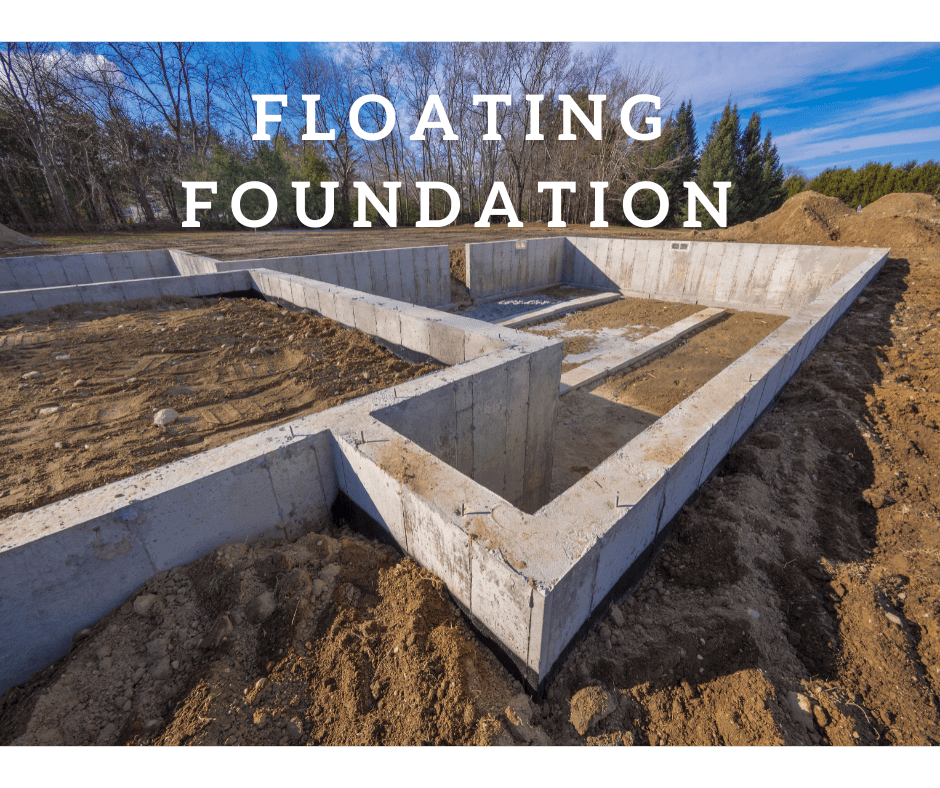
Floating Foundation Termite Control in West Melbourne
Floating slabs (often referred to interchangeably with supported slabs, especially in the context of termite treatment for residential homes) are foundations distinct from monolithic pours, where the concrete slab sits directly on leveled soil without integrated footings that extend deep into the ground. These are frequently utilized in areas with less stable soil conditions or uneven terrain.
In West Melbourne, you’ll commonly find this type of construction in certain older homes, custom builds, and particularly for many oceanfront, luxury, and heavier homes, which require specialized foundational support.
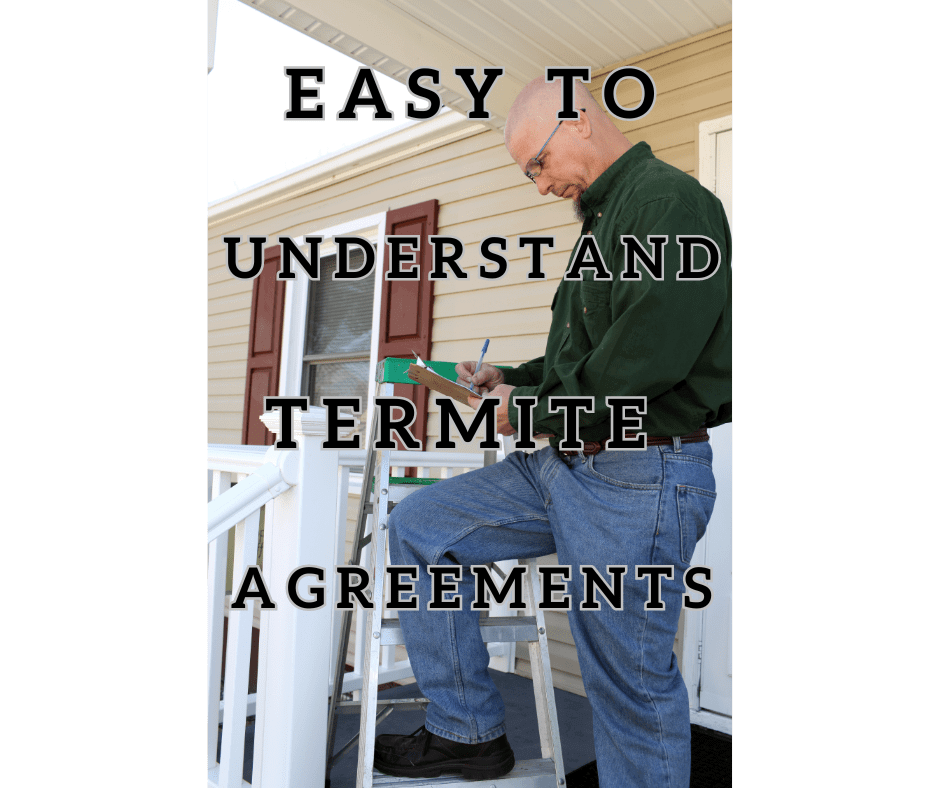
Identifying Your Home’s Foundation Type: A Quick Guide for West Melbourne Homeowners
Knowing your home’s foundation type is essential for planning effective termite treatment, especially given the diverse architecture in West Melbourne. Here are a few straightforward ways you can get a better idea:
Observe the Foundation Perimeter:
- Do you see a visible concrete wall extending upwards around the entire perimeter of your house, creating a gap or “crawl space” between the ground and your first floor? If so, you likely have a stem wall foundation (a common type of supported slab). This is often seen in older, hand-built homes or custom constructions in West Melbourne.
- If you do not see a distinct, visible foundation wall, and the ground appears to meet the concrete of your home directly, with little to no gap? You most likely have a monolithic slab foundation. This is the standard for most modern Florida homes.
Examine the Slab Itself (if accessible):
- Is the concrete slab poured directly onto the ground without any visible supporting structures underneath, forming one continuous, solid piece with the footings? Then it’s a monolithic slab.
- Is the slab elevated above the ground and supported by visible piers, beams, or block walls, creating an accessible crawl space beneath? This indicates a supported slab or floating slab.
Still Unsure About Your West Melbourne Home’s Foundation?
Don’t worry! For a definitive answer and a precise, transparent estimate for your West Melbourne home, don’t hesitate to contact Pest & Lawn Organic Guard. As your local owner/operator and veteran, I offer free, no-obligation inspections. I’ll quickly identify your home’s specific foundation type and discuss the most effective termite control plan tailored to your property. Call me today!
Cities and Towns We Service:

West Melbourne Termite Control Services: Your Local Veteran-Owned Experts
At Pest & Lawn Organic Guard, we are proud to offer top-tier termite control services to residents and businesses across West Melbourne, Florida. As your local owner/operator and veteran, I deeply understand the unique termite challenges of our humid climate and the diverse range of homes here – from historic hand-built properties with crawlspaces to modern developments, including future 3D-printed homes.
We are committed to providing effective, environmentally responsible solutions that deliver lasting peace of mind. Our approach considers the specific needs of West Melbourne’s properties and ensures thorough protection against both subterranean and drywood termites. Trust Pest & Lawn Organic Guard for reliable, expert termite management in your community.
Serving the West Melbourne Community
We are deeply integrated into West Melbourne community and dedicated to its well-being. We believe in supporting local resources that make our city a great place to live and work.
Here are some helpful links to West Melbourne’s official resources:
- West Melbourne Official Website: https://www.westmelbourne.gov/
- West Melbourne Building Department: https://www.westmelbourne.org/59/Building-Department
- Melbourne Chamber of Commerce: https://www.melbourneregionalchamber.com/
- West Melbourne Parks & Recreation: https://www.westmelbourne.org/387/Parks-Recreation
- West Melbourne Community Resources: https://www.westmelbourne.gov/709/Community-Resources
Frequently Asked Questions: TERMITE CONTROL WEST MELBOURNE
General West Melbourne Termite Control Questions
Yes, and the issue is growing due to the introduction of Formosan termites. Areas like Palm Bay, Suntree, and Viera, once swampland, now experience rising termite activity because of drying conditions and the prevalence of slash pines, a favorite food for subterranean termites.
Look for mud tubes, discarded wings in windows, and swarmers (flying termites).
Eastern subterranean termite nests are usually underground and hard to spot.
Formosan termites can also build above-ground nests called “cartons,” found in wall voids, attics, and hidden spaces. Formosan termite cartons are hard, ovoid structures made from a mixture of wood fragments, soil, saliva, and feces that resembles cardboard or a papier-mâché basketball.
No. We use EPA-approved termiticides for effective control. Dry-wood borate treatments use processed boron-based minerals, while products like Premise are synthetic insecticides.
An increase in mud tubes may signal a large colony targeting your home. Swarmers could indicate an undetected infestation or termites attracted by lights entering through open doors or windows.
Most of the time, yes. Swarming termites may enter from outside, but it often signals a termite issue.
Signs include mud tubes, frass (termite droppings), swarmers, or visible termites.
Look for mud streaks on drywall. Breaking a mud tube may reveal live termites repairing the breach.
You’ll see streaks or spots of mud and dirt.
Fire ants sometimes build mud tubes resembling termite activity, often near nests or areas affected by flooding.
Their favorite is slash pine but will feed on oak, maple, and other woods.
Eastern subterranean, Formosan, dry-wood, southern dry-wood, and damp-wood termites.
Rarely. They need continuously wet wood, which typically occurs only with severe moisture issues like roof leaks.
Yes, excessive moisture from irrigation can attract termites.
Yes. Too much moisture eliminates the need for termites to seek water and attracts other pests. Install a rain sensor to prevent overwatering.
Yes, a single colony can infest several homes simultaneously.
Yes, termites can enter through cracks and feed on baseboards, furniture, flooring, and structural wood like trusses.
Yes, they’ll feed on wood furnishings and baseboards.
Yes, termites can feed on paper currency.
Swarming occurs in spring and early summer, triggered by warm weather and rain. Eastern subterranean termites swarm from November to May, while Formosan termites swarm from March to June, usually at night.
Dry-wood termites swarm from May to September during warm, humid conditions.
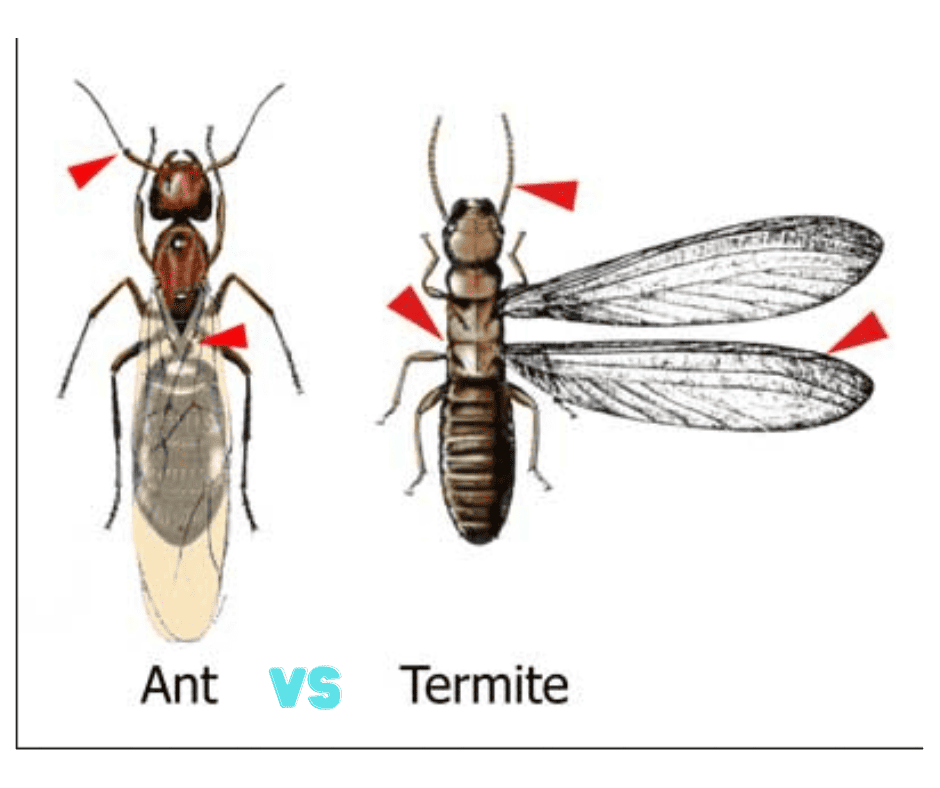
Distinguishing between swarming termites and ants involves several key features. Termites have straight antennae, a wide waist, and two pairs of wings equal in size that are held flat against their bodies when at rest. In contrast, ants have elbowed antennae, a narrow waist, and two pairs of wings with the front pair being significantly larger than the hind pair. These differences in physical characteristics can help homeowners identify the presence of termites and take appropriate action to protect their property.
Gone are the days of relying solely on termite monitoring and bait stations. While they were once the primary method of termite control, advancements in technology have led to safer and more effective solutions.
Our expert termite control services utilize proven insecticides like fipronil and imidacloprid. These products create a protective barrier around your home, preventing termites from entering and causing damage.
Preparing your home for termite treatment can take some work. To ensure optimal results, please take the following steps:
- Clear the area: Remove or relocate items from around the foundation of your home, such as flower pots, hoses, outdoor furniture, and any other objects that may be in the way of treatment application.
- Trim back vegetation: Trim back any overhanging branches or shrubs that may touch the house. This will allow for better access to the foundation and prevent interference with the treatment process.
- Prepare for potential drilling: If the treatment involves drilling holes in the foundation, you may need to move items away from the walls where drilling will occur.
We understand that preparing for treatment can be time-consuming. We are happy to assist you with moving some lighter items if needed. Please let us know if you require any assistance.
During the termite treatment process, there’s usually minimal disruption to your daily routine.
- Interior Treatment First: To minimize the tracking of dirt into your home, we will typically begin with any interior treatments first.
- Attic Treatment Priority: We’ll prioritize treating the attic early in the day to avoid excessive heat buildup.
- Pet Supervision:
- Please be mindful of your pets during the treatment process.
- Occasionally, we may need to bring a hose inside or access areas that might require you to supervise your pets to ensure their safety.
- Please be prepared to assist in keeping your pets away from treatment areas.
Most importantly, please feel free to ask any questions you may have throughout the treatment process. We want to ensure your comfort and understanding during this time.
After the treatment is complete, there’s very little you need to do.
- Allow Drying Time: Allow approximately 30 minutes for any treated areas to dry completely before allowing pets back into those areas.
- Replace Items: You can begin replacing items such as knick-knacks and decorative objects.
- Relax: That’s it! You can now relax and enjoy your termite-free home.
We will do our best to return all items to their original positions, including flower pots and outdoor decorations. If you need assistance moving any heavier items back into place, please don’t hesitate to ask.
It’s important to note that occasional swarming after a termite treatment can occur, especially if there was a significant infestation prior to treatment.
- Swarming After Treatment: Swarming after treatment is often a natural response from a dying termite colony. When termites sense their colony is under threat (like after a treatment), they may engage in a final effort to reproduce.
- Treatment Impact: If we used Termidor, you should expect swarming to subside within 2 weeks. If Premise was used, swarming should cease within approximately 1 month.
- Potential Causes: Continued swarming after this timeframe might indicate:
- Untreated Areas: There could be untreated areas, such as hidden cracks in the slab, under a wall, under tile or laminate, or beneath a shower pan.
- Moisture Sources: Termites require moisture to survive. Persistent swarming could suggest a moisture source, such as a leaking roof, a leaking shower drain, or an improperly draining A/C unit. Termites can even maintain a colony within wet insulation, avoiding contact with the treated soil.
- Don’t Worry: If you notice continued swarming after the expected timeframe, please don’t hesitate to contact us. I have over 20 years of experience in termite control and have encountered many various termite scenarios. I will thoroughly investigate the situation and determine the cause of the continued swarming activity.
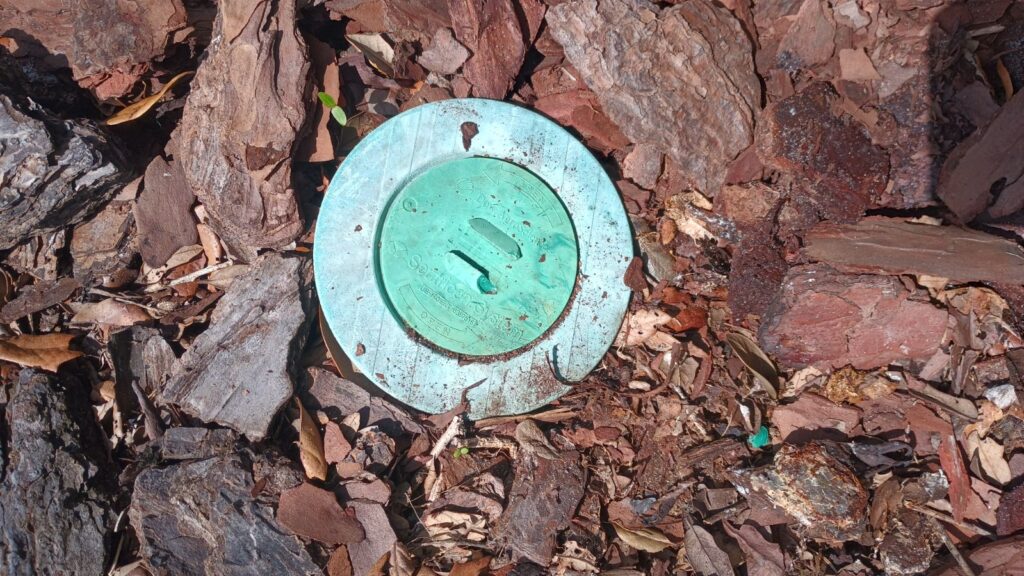
Those green discs are likely bait stations used for termite monitoring and control. They typically contain a small piece of wood that termites may feed on.
- How they work: If termites are present, they will enter the station and consume the wood. During routine inspections (usually quarterly), your termite control technician will check the wood for signs of termite activity. If termites are found, the wood is replaced with a bait that the termites will consume and then carry back to the colony, effectively eliminating the infestation.
- Note: These stations were a common method of termite control before the development of more modern soil treatments like Premise and Termidore. While still sometimes used for specific situations, modern soil treatments are generally more effective and preferred for preventative termite control.
- Removal: We offer free removal of these older bait stations upon request during your service.
While termite treatments can sometimes eliminate carpenter ants, especially if the ants are nesting within the treated area, it’s not guaranteed. Carpenter ants often nest in areas outside the home, such as trees or wood piles, including the many cabbage palms common on Merritt Island. If the ants are primarily nesting in these external locations, a termite treatment may not be sufficient to eradicate them. However, if the carpenter ant infestation is within the home’s structure, particularly in areas damaged by termites, a termite treatment may help control the ant problem as well.
If you suspect you have a carpenter ant problem, let us know so we can address both issues at the same time.
Termite infestations can create an environment that is very attractive to ant species. Here’s why:
- Damaged Wood: Termite damage weakens and deteriorates wood, creating ideal nesting sites for other types of ants.
- Food Source: Termites themselves can become a food source for certain ants, particularly carpenter ants.
- Swarm Activity: Carpenter ants are known to “anticipate” termite swarms. When a termite colony is preparing to swarm, carpenter ants may appear in large numbers, waiting to feast on the emerging winged termites.
Other ant species commonly found in association with termite infestations include:
- Fire ants: These aggressive ants may be drawn to the weakened wood and the presence of other insects attracted to the termite damage.
- Ghost ants: These tiny, fast-moving ants are well-adapted to living in the crevices and tunnels created by termites.
- Argentine ants: These highly adaptable ants can thrive in a variety of environments, including those disturbed by termite activity.
No, termites do not kill living trees.
Termites only eat dead wood, with decaying wood being their preferred food source. If a tree falls and you find termites, they are consuming the dead portions of the tree. They may have even been present before the tree fell, feeding on existing dead wood within the tree. However, termites play no role in the death of a healthy, living tree.
Factors such as fungal diseases (rot), storm damage, age, nutrition deficiencies, lightning/other damage, or pest issues are responsible.
Yes, we do. While termites primarily infest dead wood, we can treat trees for damp wood termites, which can sometimes colonize living trees. This treatment can also help reduce local populations of other termite species, such as Eastern Subterranean and Formosan termites.
In addition to termite control, we also offer tree and plant spraying services to manage a variety of other insects, including scale and other pests that can attract ants. We frequently treat palm trees to control ant infestations, including common species like Carpenter ants, Argentine ants, White-footed ants, and Ghost ants.
We typically schedule these applications for mornings when wind conditions are generally calmer to ensure effective treatment.
No, termite protection is the homeowner’s responsibility.
The homeowner is responsible for paying for termite treatment.
Yes, both drywood and subterranean termites can infest manufactured homes.
We offer treatments to protect against subterranean termites. For drywood termites, maintain the vapor barrier and inspect it regularly to prevent access to the structural wood.
Yes, a proper termite treatment can provide permanent prevention.
Yes, termites are active throughout Florida.
Yes, termites are a significant concern in Florida, and a warranty is highly recommended.
Yes, termites can build mud tubes inside cinder blocks and feed on roof trusses undetected.
West Melbourne Termite Prevention
DIY vs. Professional Termite Treatment
West Melbourne Termite Treatment Pricing and Frequency
Signs and Urgency of Termite Issues
Termite Damage
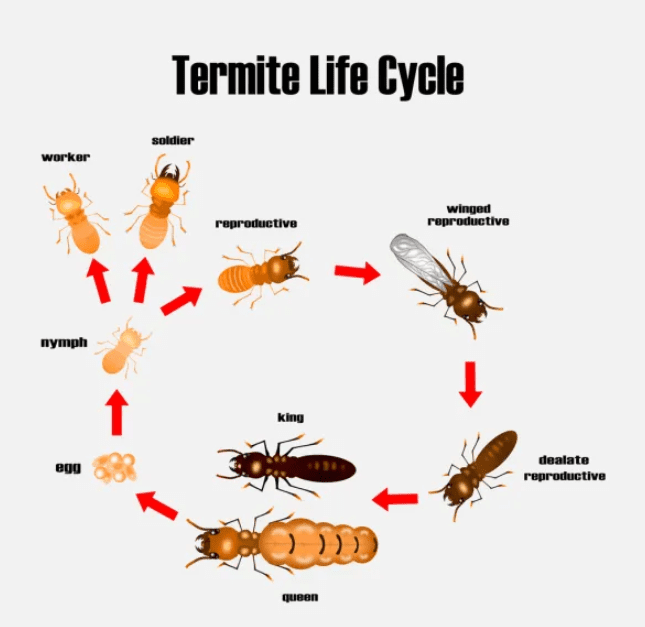
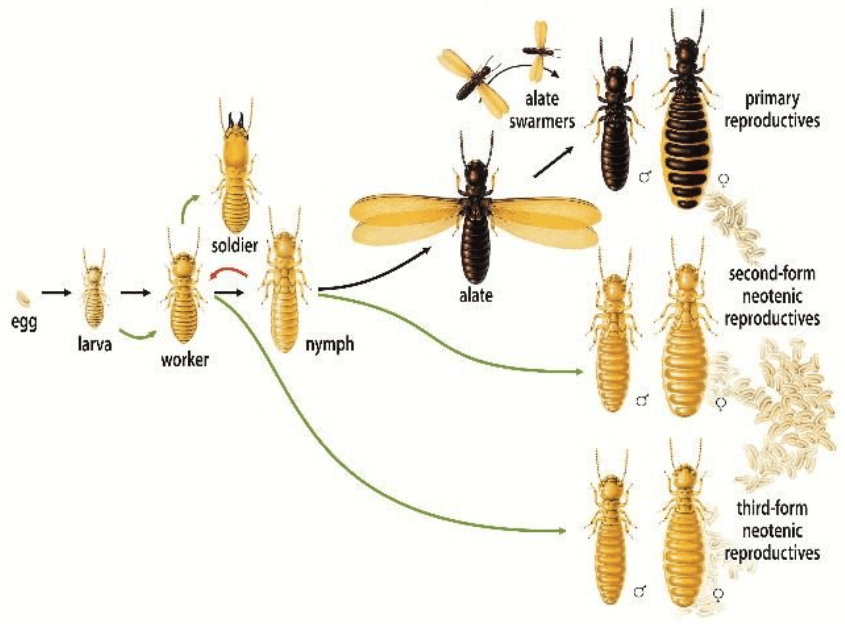
Termite Behavior and Lifecycle
Home Buying and Termites
Maintenance After Termite Treatment
Termite Species in West Melbourne
Conducive Conditions for Termite Infestations
Yes, decaying stumps provide an ideal habitat for termites. Remove or grind stumps near your home.
Yes, improper drainage creates moisture that attracts termites. Use a splash block to direct water away from your home.

Stucco below grade lets termites enter undetected. Ensure stucco ends at least six inches above soil level.
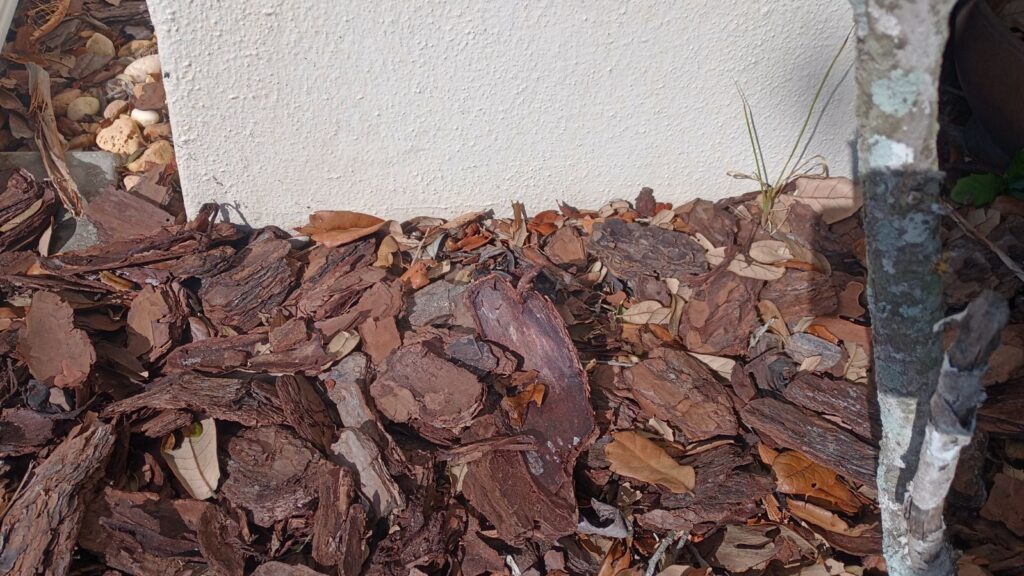
Pine bark mulch attracts termites. Choose eucalyptus or cypress mulch instead.
Sealing gaps in soffits blocks swarming termites from entering attics. Preventing dry-wood termites from entering your attic in the first place is the best dry-wood termite prevention.
Yes, leaks create damp wood that attracts termites. Repair leaks promptly.
Yes, cracks allow termites to bypass barriers. Seal cracks to prevent entry.