Carpenter Ants in Your Home: How to Find the Nest and Eliminate It Fast
Carpenter ants are one of the hardest pests to eliminate in Florida homes — not because they’re tough to kill, but because the nest is almost never where you think it is.
You might see one on your kitchen counter. A few near a window. One crossing the living room floor at 2 a.m. But the colony itself — the queen, the brood, the satellite nests — stays hidden. Sometimes for years.
This guide covers how to find a carpenter ant nest, what to do about it yourself, and when the problem calls for professional treatment.
What Makes Carpenter Ants Different From Other Florida Ants
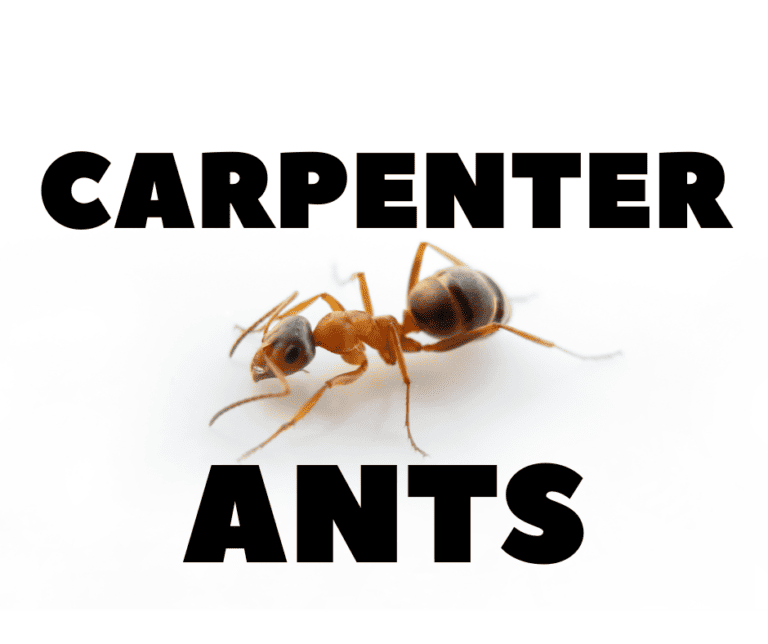
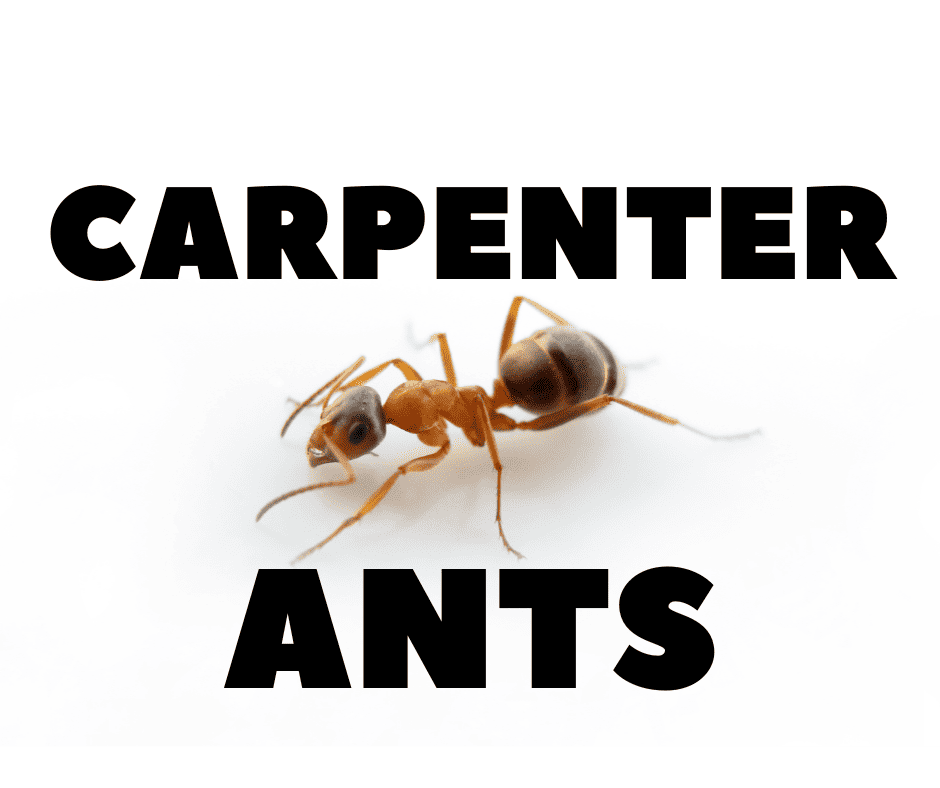
Florida carpenter ants (Camponotus floridanus) don’t eat wood. They excavate it. They hollow out galleries inside structural wood, insulation, and palm crowns to build their nests — and they’re quiet enough that most homeowners don’t notice until the infestation is well established.
A few things that set them apart:
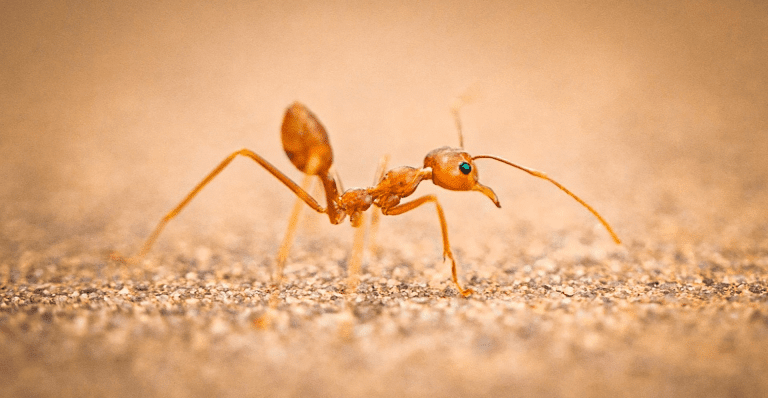
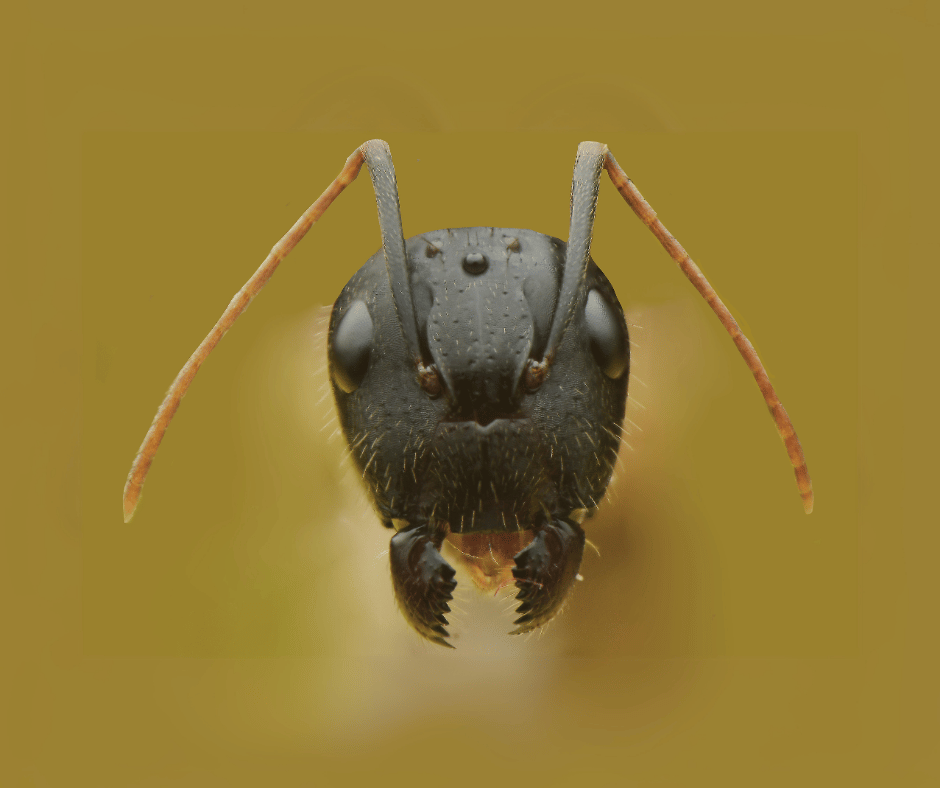
- They’re large. Workers run 1/4 to 1/2 inch. Florida carpenter ants are typically black with a reddish-orange midsection.
- They’re nocturnal. Peak foraging happens between 10 p.m. and 4 a.m.
- They maintain satellite nests. A single infestation often involves one parent colony and several smaller satellite nests connected by foraging trails.
- They’re attracted to moisture damage first. Soft, wet, or decaying wood is where they start.

Step 1: Find the Clues the Nest Leaves Behind
You probably won’t see the nest directly. But carpenter ants leave evidence.
Frass
Frass is the most reliable sign of an active nest nearby. It looks like coarse sawdust but contains insect parts, soil, and insulation fragments. You’ll find it below the area where ants are actively excavating — near baseboards, under windowsills, at the base of door frames, or below deck posts. Find the frass, and the nest is almost always directly above it.
Swarmers
Winged carpenter ants emerging indoors mean the colony has been established long enough to reproduce — typically 3 to 4 years. If you’re seeing swarmers near windows or light sources, the parent nest is almost certainly inside the structure.
Moisture-Damaged Wood
Focus your inspection on anywhere wood has been wet. Leaky window frames, roof eaves, fascia boards, plumbing under sinks, AC condensation lines, and any wood in contact with soil. In Brevard and Indian River County, post-storm moisture intrusion is one of the most common triggers for carpenter ant infestations.
Sound
In a quiet room, press your ear to a wall where you suspect activity. Active carpenter ant galleries produce a faint dry rustling or crackling. It’s subtle but real, and it’s helped me locate nests faster than visual inspection alone on more than a few jobs.
Step 2: Track Them Back to the Source
The most reliable way to find a hidden nest is to follow foraging ants home.
Carpenter ants return to the nest in the early morning hours — roughly 4 to 6 a.m. — after a night of foraging. That’s your window.
Use a flashlight with a red filter or red cellophane over the lens. Carpenter ants don’t perceive red light well, so you can follow them without disrupting the trail. Watch where they disappear — into a wall void, up through a ceiling gap, behind a cabinet. That entry point is almost always within a few feet of the nest or a satellite.
Step 3: DIY Treatment — Baits That Actually Work
If you want to try treating before calling a pro, baiting is the right approach for carpenter ants. Contact sprays kill foragers but leave the colony untouched.
Two products worth using:
- BASF Advance Carpenter Ant Bait Granules — Best for outdoor perimeter use. Scatter near foraging trails and around the foundation. Apply when the ground is dry and deploy in the evening before ants start foraging. Moisture breaks down the attractant.
- Maxforce Carpenter Ant Bait Gel — Best for indoor trails and targeted indoor placement. Put small dabs — about the size of a pea — at trail sites: corners, wall cracks, under cabinets, around window frames.
Critical rule: don’t spray near bait. Any contact insecticide or repellent applied near active bait will kill foragers before they carry the product back to the colony. The bait only works if workers survive long enough to share it. Keep sprays and baits completely separated.
Give bait 2 to 3 weeks before evaluating results. Carpenter ant colonies are slow to collapse compared to smaller ant species.
When DIY Stops Working: What a Professional Does Differently
After 25 years in pest control — my first decade focused exclusively on pest and termite work at a national chain — the carpenter ant calls I get are almost always cases where baiting helped but didn’t finish the job. Here’s why, and what changes with professional treatment.
Taurus SC (Fipronil) – Non-Repellent Perimeter Treatment
Fipronil is the workhorse of professional ant control. Unlike bifenthrin or pyrethroids, which ants detect and avoid, fipronil is non-repellent. Ants walk through treated zones without knowing it, pick up the active ingredient, and transfer it back to the colony through contact and grooming. Taurus SC applied to the exterior perimeter and entry points creates a transfer-kill effect that contact sprays can’t replicate.
Delta Dust – Attic and Wall Void Treatment
Most carpenter ant infestations in Florida eventually involve the attic. It’s warm, dark, often humid after rain events, and largely undisturbed. Delta Dust (deltamethrin) is a moisture-resistant insecticide dust that gets applied directly into attic voids, wall cavities, and other harborage areas. It provides months of residual control — important in Florida’s humidity, which degrades most products quickly.
Attic dusting for carpenter ants is something most local pest control companies don’t offer. I’ve had competitors quoted to customers who had no idea what attic dusting was. If the nest is up there and nobody’s treating it, the infestation keeps cycling.
Imidacloprid – Systemic Treatment for Tree and Palm Nests
When carpenter ants are nesting in a palm crown or tree on the property, a soil drench with imidacloprid moves through the root system into the plant tissue. Ants contact treated tissue and carry the active ingredient back to the colony. This is the same approach used on the palm tree ant work — it’s effective for arboreal nests that can’t be reached directly with a sprayer.
I can treat trees and palms up to 30 feet tall, which covers most residential properties in the county including Barrier Island homes where tall palms are common.
Why Carpenter Ants Are Especially Common After Florida Storms
Post-storm carpenter ant surges are predictable and follow a clear pattern.
Hurricane or tropical storm winds damage palm crowns, crack fascia boards, lift roof tiles, and drive moisture into wall cavities. Within days, carpenter ants that were previously nesting outdoors begin relocating into those newly softened, wet areas. I see this every year in Brevard and Indian River County following named storms.
If you started noticing carpenter ants inside after a storm — even months later — the entry point almost certainly connects to storm-damaged wood. That’s where the inspection needs to start.
What’s Included in Professional Carpenter Ant Treatment
When I treat a carpenter ant infestation, the service covers:
- Full exterior perimeter treatment with Taurus SC
- Attic dusting with Delta Dust where access allows
- Targeted indoor void treatment at identified entry points
- Tree or palm crown treatment with imidacloprid when an arboreal nest is involved
- Post-treatment follow-up if activity continues
If you’re on a routine service plan, carpenter ant treatment is typically included. Call to confirm what your plan covers.