Ants in Palm Trees in Florida: How to Treat Them the Right Way
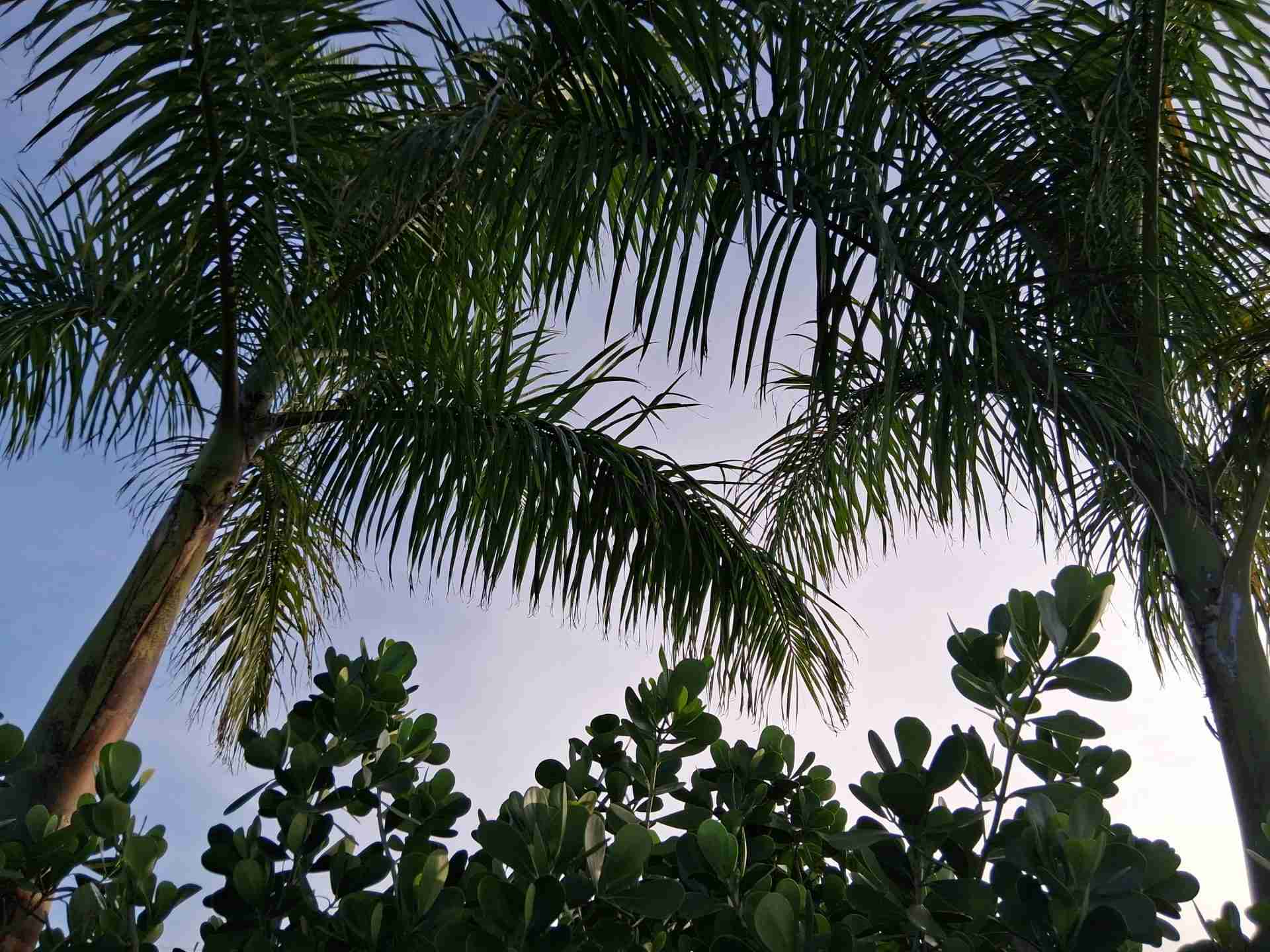
Florida palms are beautiful. They’re also one of the most overlooked ant harborage sites in residential pest control.
If you’ve had ants in your home for months and nothing’s worked, look up. The crown of your palm tree may be the source.
This guide covers which ants nest in Florida palms, how to treat them, and what a licensed pest control pro actually uses to get the job done.
Why Palm Trees Attract Ants in Florida
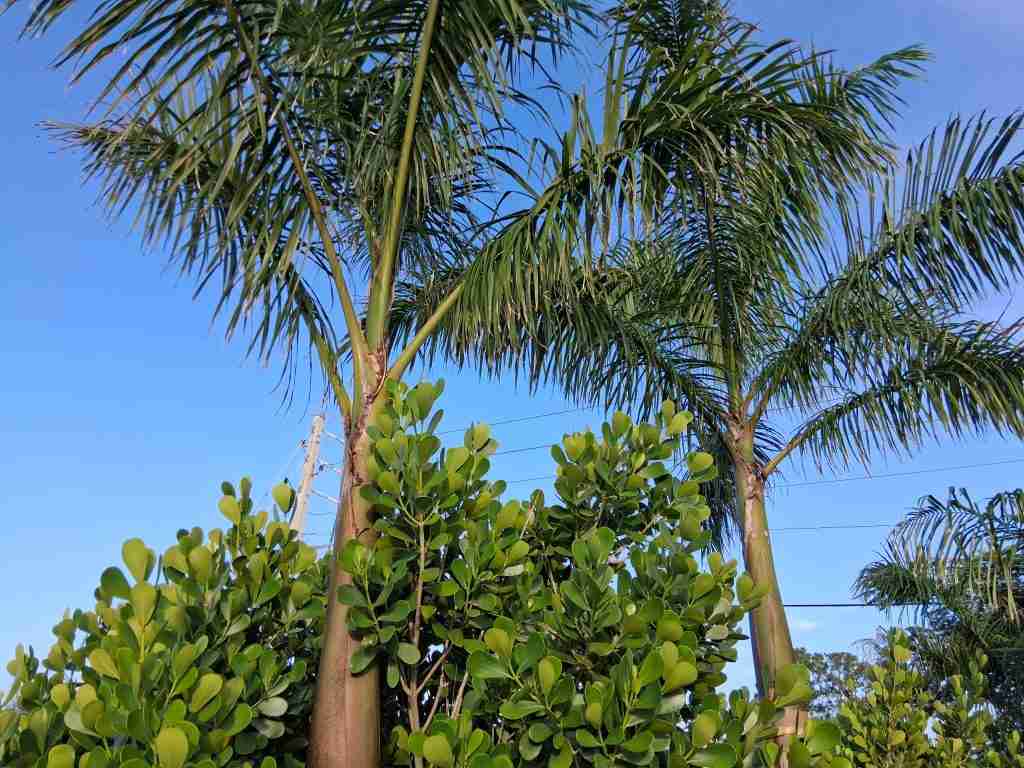
The crown of a Florida palm holds moisture, warmth, and shelter year-round. Frond bases trap debris and create tight cavities that ants treat as permanent housing.
Make it worse: aphids, scale insects, and mealybugs feed on palm fronds and leave behind honeydew — a sugary secretion ants actively farm. A pest-infested palm isn’t just an ant magnet, it’s an ant food source.
Rain events push ants upward and inward. After a storm, ant activity in homes near palms typically spikes within 24 to 48 hours.
Ants That Nest in or Around Florida Palm Trees
Not all ants behave the same. Species matters for treatment.
Ghost Ants
Small, pale, and fast-moving. Ghost ants nest in the crown where humidity is highest. They trail along fronds and enter homes through gaps near rooflines and soffits. Common in Brevard and Indian River County year-round.
Argentine Ants
Massive supercolonies with no defined territory. They nest in dense, moist vegetation and exploit any moisture near a palm base. One colony can run hundreds of feet.
White-Footed Ants
Almost identical in behavior to ghost ants but harder to kill. They don’t share food the same way, which limits how well bait works. Spraying the nest directly is usually the more effective approach.
Carpenter Ants
Florida carpenter ants (Camponotus floridanus) don’t always need rotting wood. They’ll nest in the dry, fibrous head of a palm — especially after storm damage loosens the structure. Large, black-and-red, and often active at night.
Rover Ants
Tiny and brown. Rover ants trail up palm trunks in lines and enter structures wherever a frond or branch makes contact with the roofline.
Fire Ants and Bigheaded Ants
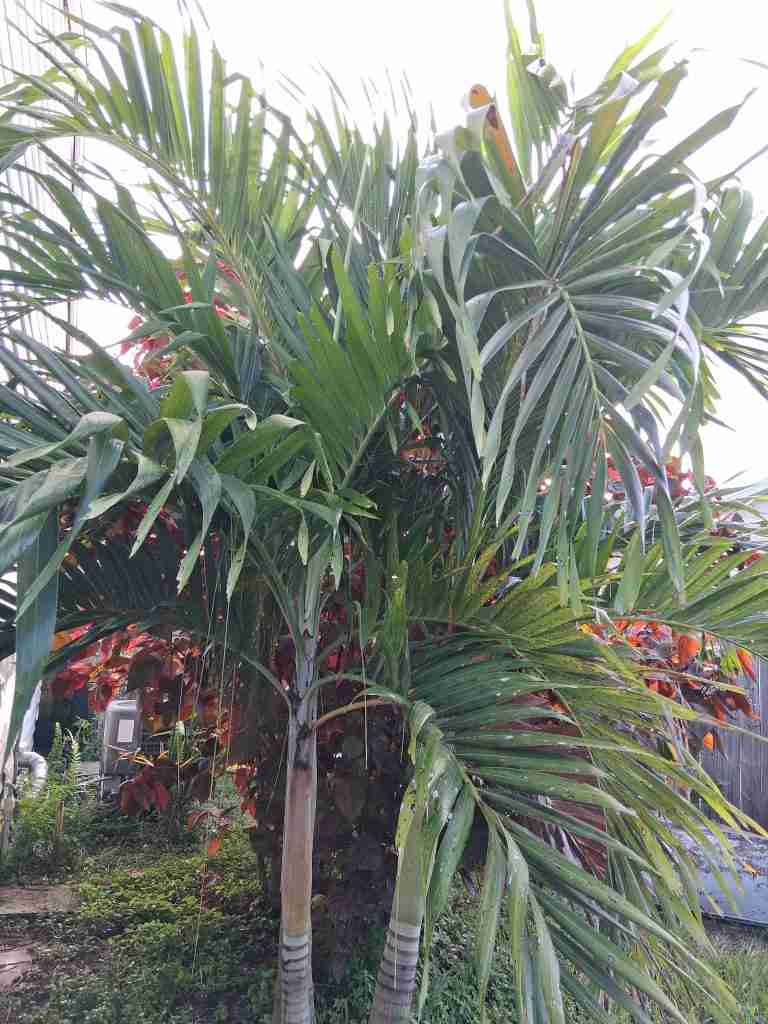
These typically nest at the base of palms rather than in the crown. Cabbage palms, Chinese fan palms, and Canary Island date palms are especially common sites.
How to Identify the Nesting Site
Before you spray anything, confirm where the ants are actually living.
Look for:
- Visible ant trails running up the trunk in a consistent line
- Activity concentrated around the base of fronds or the heart of the crown
- Ant entry into soffits, fascia, or attic vents near a palm
- Increased indoor activity after rain — especially kitchen and bathroom areas
Ants trailing from a palm to your roofline means the nesting site is almost certainly in or near the crown, not at ground level.
How to Treat Ants in Palm Trees: DIY Approach
What You’ll Need
- Pump sprayer or hose-end sprayer with a jet or pinhole nozzle
- Insecticide labeled for ant control and outdoor use
- Protective gear: gloves, safety glasses, mask
- Extension wand if you have one — most homeowners can’t safely treat palms taller than 10 to 12 feet from the ground
Application Steps
- Treat the crown first. That’s where the nest is. Soak the center where new fronds emerge. A pinhole nozzle gives you the pressure and accuracy to reach it from the ground.
- Spray frond undersides. Ghost ants and white-footed ants shelter on the undersides of fronds. Don’t skip this.
- Treat the trunk base and surrounding soil. Ants travel up from the ground. Breaking that trail at the base reduces reinfestation. Spray 2 to 3 feet up the trunk and 2 feet out from the base.
- Check for honeydew-producing pests. If you see aphids or scale on the fronds, treat those too. Removing the food source reduces long-term ant pressure.
When to Spray
Early morning or evening. Wind below 10 mph. Avoid midday heat — product evaporates faster and drift increases.
What Licensed Pest Control Professionals Use
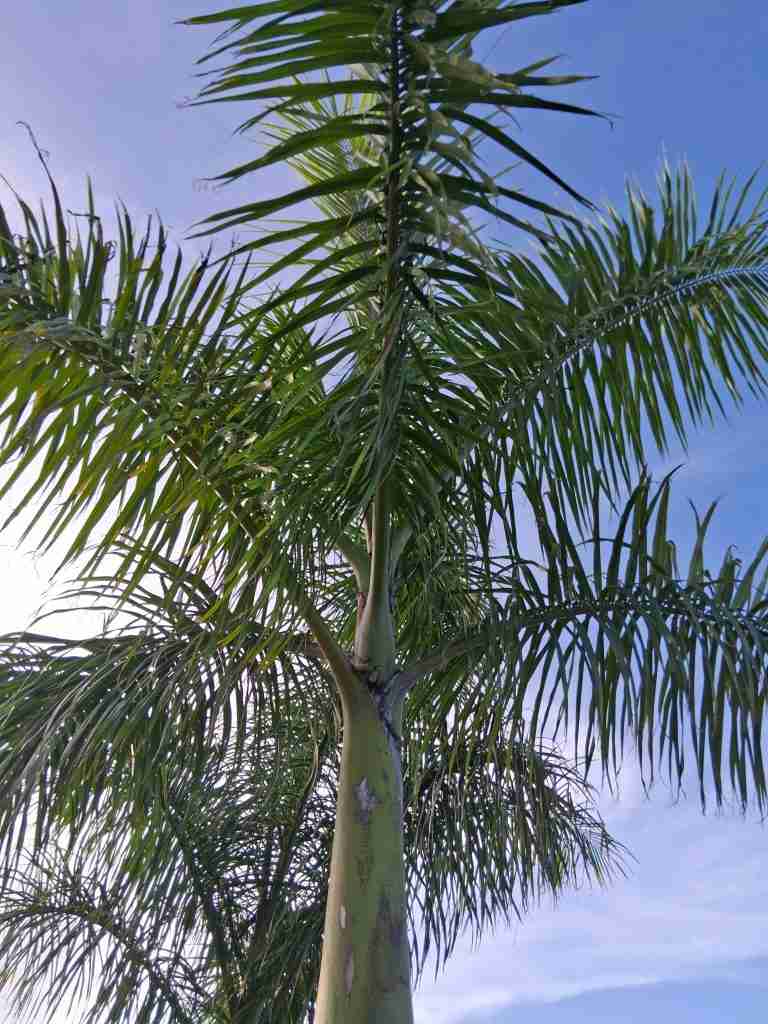
DIY products available at hardware stores are typically contact killers. They knock down what they hit and offer limited residual activity.
After 25 years in pest control — my first decade spent doing termite and general pest work at a national chain — I’ve tested a lot of products on Florida ants. For palm tree ant treatments, I rely on Dominion 2L (imidacloprid).
Dominion is a systemic insecticide. Applied to the soil at the base of the palm, it moves through the root system into the tree itself. Ants contacting treated plant tissue pick up the active ingredient without immediate knockdown — which means they carry it back to the colony. It’s particularly effective on ghost ants and Argentine ants, which are the two species I see most often nesting in palms across Brevard and Indian River County.
It also provides significantly longer residual control than bifenthrin or pyrethroid-based contact sprays — especially important in Florida’s heat and humidity, which degrade most contact products within weeks.
IPM: Long-Term Prevention for Palm Tree Ants
Treating the nest is step one. Keeping ants out long-term requires removing the conditions that made your palm attractive in the first place.
- Trim fronds away from the structure. Any frond touching your roofline, soffit, or wall is a bridge. Ants don’t need much clearance. Cut fronds back at least 18 inches from the home.
- Control scale, aphids, and mealybugs. Honeydew is the reason ants keep coming back. Treat plant pests and the ant pressure drops.
- Thin mulch around the base. Thick mulch holds moisture and provides nesting habitat. Keep it under 2 inches within 12 inches of the trunk.
- Inspect after storms. Hurricane and tropical storm winds damage palm crowns. That damage creates entry points for carpenter ants within days. Post-storm inspection is worth the time.
- Don’t overwater. Consistently wet soil near the base of a palm concentrates ant activity. Adjust irrigation schedules seasonally.
When to Call a Professional
Some situations are beyond what a homeowner can safely or effectively treat.
- Palms taller than 12 to 15 feet — You can’t reliably treat the crown without equipment or significant risk.
- Persistent indoor ant activity that continues after multiple DIY attempts.
- Multiple palms on the property with connected ant activity.
- Carpenter ant infestations where storm damage to the crown is visible.
I carry the equipment to treat palms up to 30 feet tall across all of Brevard and Indian River County — including the Barrier Island communities of Cocoa Beach, Satellite Beach, Indian Harbour Beach, Indialantic, and Melbourne Beach.
If you’re already on a routine service plan with Pest & Lawn Organic Guard, palm tree treatment is likely part of what you’re already covered for. Call to confirm.