HOW DO I GET RID OF ANTS IN MY CAR? (Advice from a Local Expert on the Space & Treasure Coasts)
Ants in Your Car? Here’s What to Do.
Contents
- 1 TL;DR: How To Get Rid of Ants in Your Car
- 2 🚗 Ants in Your Car? FAQ (Helpful Local Advice)
- 2.1 🐜 Why Are Ants Wandering into My Vehicle?
- 2.2 🛠️ First Steps You Can Take To Eliminate Ants From Your Vehicle
- 2.3 🧪 Using Ant Baits Safely
- 2.4 🔍 Inspection & Moisture Check
- 2.5 🐜 Common Florida Ants That Show Up in Cars
- 2.6 👷 When Should You Call Pest & Lawn Organic Guard?
- 2.7 ✅ Quick Preventative Tips
- 2.8 🌴 Local Service Areas Covered
TL;DR: How To Get Rid of Ants in Your Car
To quickly get rid of ants in your car, you must first vacuum and deep clean all crumbs/food residue. Then, strategically place ant baits discreetly (avoid sprays) and check your parking area for the colony source (like trees or bushes) to stop new ants from entering.
Getting ants in your car is a frustrating problem, but it’s more common than you think.
If you’ve discovered tiny invaders crawling around your dashboard, console, or cup holders, don’t panic—we can help you figure out how to get rid of them quickly and prevent them from coming back.
You are definitely not alone, especially here in Brevard and Indian River Counties.

Why Are There Ants in My Car?
Ant infestations in vehicles are surprisingly common, especially here in Brevard and Indian River Counties.
Why do ants get into cars? Because cars offer warm, protected spaces—and they almost always have a residual food source. A single dropped snack, a forgotten crumb, or a spilled soda residue is enough to attract scouting ants to your vehicle.
Once they find that food, they lay down a pheromone trail that acts as a highway, guiding the rest of the colony directly to your car.
Even after you clean up the mess, that pheromone trail can last for weeks, causing recurring ant problems.
In rare but serious cases, they may establish a satellite colony or even their main colony directly within the sheltered structure of your car.
Local Ant Species Known to Invade Cars
In Brevard and Indian River Counties, I’ve treated cars and trucks for:
- Ghost Ants (aka Sugar Ants or Piss Ants)
- Caribbean Crazy Ants
- Argentine Ants
- White-Footed Ants
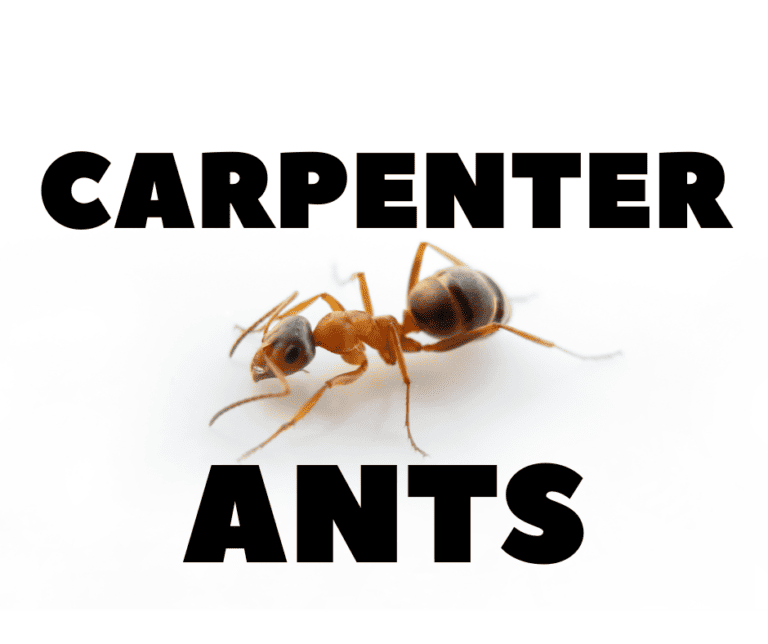
- Carpenter Ants (I even had a colony inside my own truck after a hurricane!)
These ants aren’t picky—if the environment is right (a little moisture, a little shelter, maybe a few crumbs), they move right in.
Step-by-Step: How to Get Rid of Ants in Your Car
1. Deep Clean to Remove All Food Sources
First, you must eliminate what attracted the ants to your vehicle. Take out all trash, wrappers, and potential food sources. Then, vacuum every part of the interior thoroughly. Be meticulous:
- Under seats and floor mats
- Inside all cup holders and console trays
- Door panels and storage pockets
- The tight gap between the seats and console
A high-powered commercial vacuum at a local car wash is highly effective for this deep clean.
2. Locate and Eliminate the Colony Source
Identifying how the ants got into the car is critical for permanent prevention. Check your typical parking locations—are you under a specific tree, next to an overgrown hedge, or near an ant mound? The source may be external. Always inspect the less-used areas of the vehicle:
- Under the hood (engine bay)
- The trunk liner and spare tire well
This step prevents new ants from entering your car.
3. Identify and Resolve Moisture Problems
Ants are attracted to water and humidity, which makes a damp car an ideal habitat. Look for common sources of moisture that could be attracting them:
- Leaky sunroofs or windshield seals
- Residual dampness from spilled drinks under carpets
Using moisture absorbers like DampRid can help dry out the interior, making the environment less appealing to ant colonies.
4. Strategically Place Ant Baits
If you can’t find the colony, baiting may help. Choose child-If you can’t find the main colony, baiting is the most effective solution for getting rid of ants in your car. Baits are carried back to the nest, eliminating the source.
- Use child and pet-safe bait stations.
- For discreet placement, cut drinking straws into small pieces, fill them with bait, and tuck them under mats or deep between seats.
Avoid applying ant sprays inside the cabin, as residual chemicals are often ineffective and leave behind strong, unwanted odors.
Should You Spray Inside Your Car?
When considering spraying for ants in your car, spot treatments may seem like a quick fix for heavy activity around the dashboard or trunk. However, unless you locate and spray an established nest directly, chemical sprays are generally less effective than a combination of thorough vacuuming and strategic baiting.
Pro Tip: If you choose to spray, always select a product specifically designated as safe for use in confined, indoor spaces. After application, ensure the vehicle is completely aired out before driving to prevent lingering chemical odors and fumes.
When to Call a Pro
Sometimes the ants just don’t quit. If that’s the case, we can help:
- Locate the colony
- Apply safe, targeted treatments
- Treat your yard to prevent re-infestation
I’ve successfully removed ants from countless vehicles across Melbourne Beach, Satellite Beach, Vero Beach, Indialantic, Cocoa Beach, Cape Canaveral, and all across the Barrier Island.
Keep Your Ride Ant-Free
Don’t let ants hijack your ride. By tackling the source and being proactive with a deep clean, you can ensure your car remains an ant-free zone. Remember these key steps for ant removal from cars:
- Clean thoroughly: Remove all crumbs and debris.
- Check for sources: Inspect parking spots, the trunk, and under the hood.
- Look for moisture: Eliminate any damp areas.
- Use bait safely: Strategically place child-safe baits.
- Call a pro if needed:
Ants in the car aren’t a mystery, but persistent infestations can be tough to eliminate alone. If you are struggling with a recurring ant problem in your vehicle here in Brevard or Indian River Counties, contact us today for professional inspection and treatment.
Need help from someone who’s actually done it before? Pest & Lawn Organic Guard is just a call or click away.
🚗 Ants in Your Car? FAQ (Helpful Local Advice)
🐜 Why Are Ants Wandering into My Vehicle?
🛠️ First Steps You Can Take To Eliminate Ants From Your Vehicle
🧪 Using Ant Baits Safely
🔍 Inspection & Moisture Check
🐜 Common Florida Ants That Show Up in Cars
👷 When Should You Call Pest & Lawn Organic Guard?
✅ Quick Preventative Tips
- Keep food, wrappers, and residues out of your car
- Rotate parking spots when possible to avoid established ant routes
- Address moisture leaks promptly
- Use hidden bait or professional-grade treatments if needed
🌴 Local Service Areas Covered
Pest & Lawn Organic Guard proudly serves: