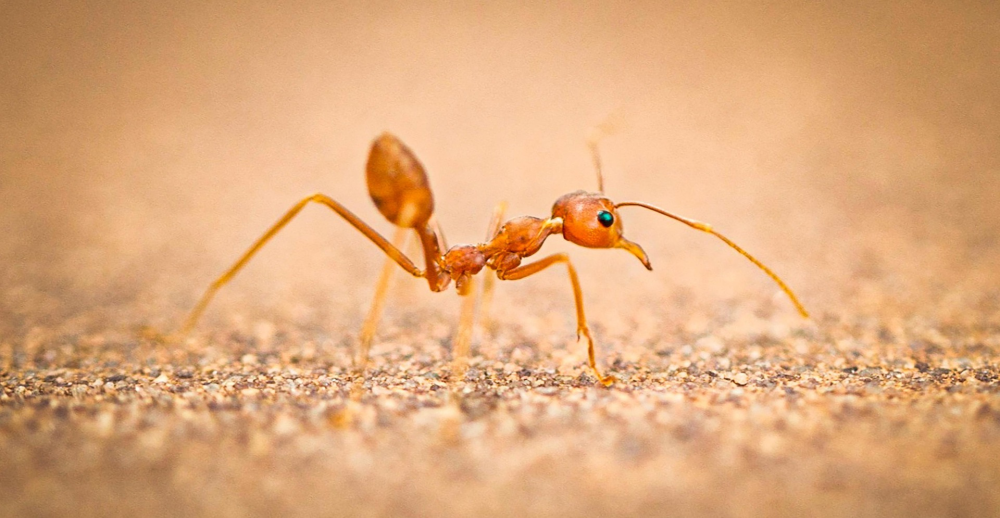
🐜 Foam Under Your Florida Driveway? The Secret Reason It’s Attracting Ants
Sinking concrete in Florida is a common homeowner headache, whether it’s your driveway, sidewalk, or patio. Our unique Florida soil – sandy and prone to erosion from heavy rains – often creates voids beneath concrete slabs, leading to cracks and uneven surfaces.
The go-to solution for many Florida homeowners is polyurethane foam concrete lifting, also known as slab jacking or foam jacking. This modern repair method is celebrated for being:
- Fast: Quick resolution for sunken concrete.
- Cost-Effective: Often more affordable than full concrete replacement.
- Efficient: A proven way to level and stabilize concrete.
But here in regions like Brevard County and Indian River County, there’s a significant caveat for Florida residents:
But there’s a catch…
That expanding foam, while excellent for lifting concrete, can unfortunately become an ideal nesting ground for various ant species, especially the relentless ants common to our area.
Contents
- 1 Why Polyurethane Foam Under Concrete Attracts Ants
- 2 🕵️♂️ How to Tell if Ants Are Nesting Under Your Slab
- 3 🧪 Treating the Ant Nest Under Your Concrete Slab
- 4 Professional Ant Extermination Under Your Florida Concrete
- 5 Serving Brevard & Indian River Counties (Especially the Barrier Island)
- 6 Quick Recap: What You Should Do
- 7 ANTS UNDER A CONCRETE SLAB FAQ’S
- 8 🏡 SERVICE AREA & SPECIAL NOTES FAQ
- 9 We Provide Under Concrete Slab Ant Control To These Indian River & Brevard Cities:
Why Polyurethane Foam Under Concrete Attracts Ants
From an ant’s perspective, foam-injected concrete slabs offer an irresistible environment. Think of it:
✅ Sheltered & Secure: The foam provides excellent protection from external threats and elements.
✅ Insulated & Stable: It creates a temperature-stable, insulated space, ideal for colony development.
✅ Moisture Retention: Crucially for ants, the foam’s structure can retain humidity and moisture, especially after Florida’s frequent rains. This dampness is a major draw for many ant species.
✅ Predator-Resistant: The dense yet pliable nature of the foam makes it difficult for predators to access the colony.
These factors combine to make polyurethane foam an ideal nesting site for common Florida ant species, including:
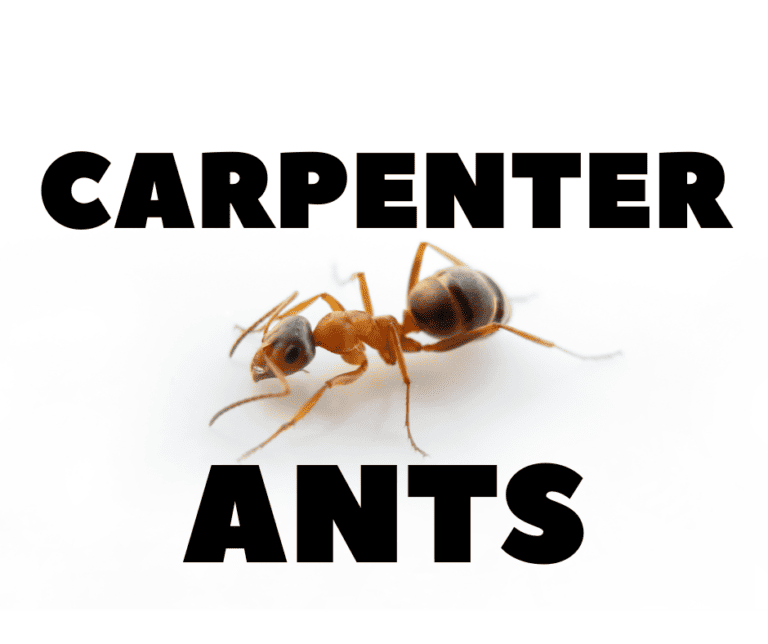
- Carpenter Ants (known for tunneling through wood and foam)
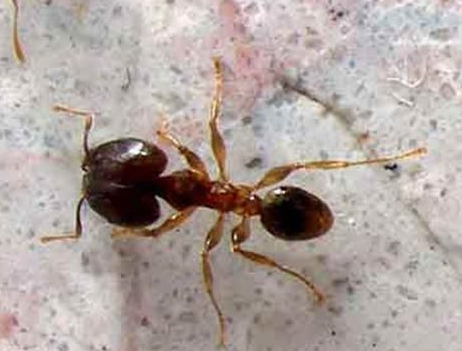
- Ghost Ants
- White-Footed Ants
- Argentine Ants
- Rover Ants
- Fire Ants
- Bigheaded Ants
Once an ant colony establishes itself in the foam beneath your driveway or patio, it’s often a short leap for these pests to invade your indoor spaces – including your garage, kitchen, bathroom, and even your vehicles.
🕵️♂️ How to Tell if Ants Are Nesting Under Your Slab
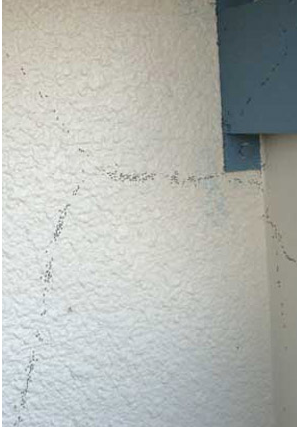
Spotting ants frequently around the perimeter of your driveway, patio, or sidewalk in Florida could be a strong indicator of an existing ant colony beneath the surface. Knowing the signs is key to early detection.
Here’s how homeowners can investigate and potentially locate an ant nest in or around their concrete slab:
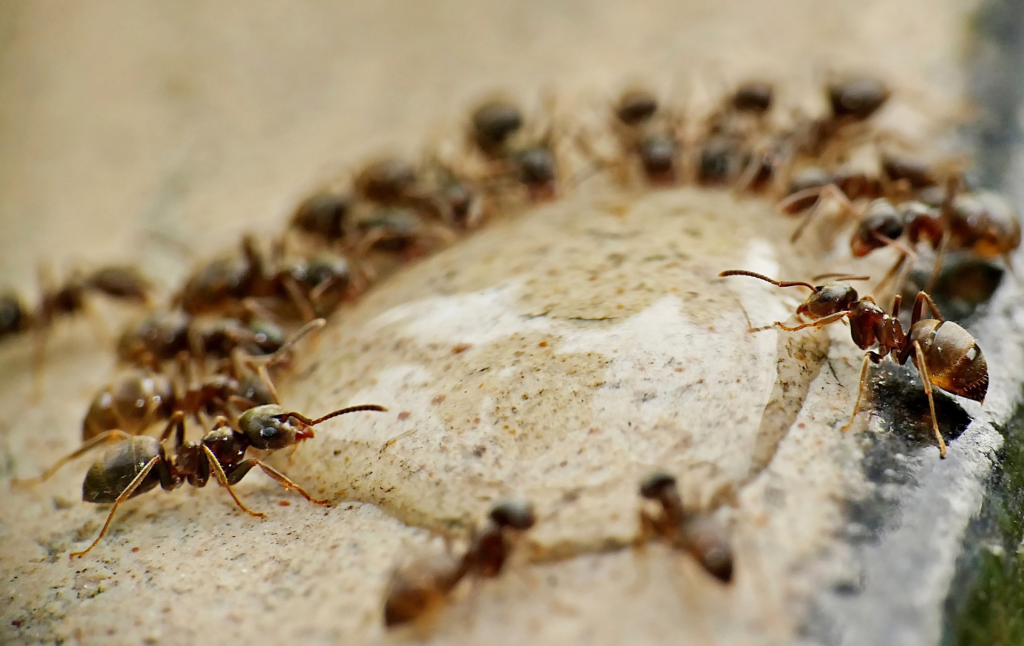
- Follow the Ant Trail: Observe foraging ants. The best time to track their movements is often early morning, particularly for Carpenter Ants, who are known to return to their nests around dawn. Follow their distinct trails to pinpoint entry points.
- Strategic Baiting: To concentrate ant activity and make trails easier to follow, place a tiny dab of a highly attractive food source, like honey or peanut butter, near active ant paths. Watch as they carry it back to the nest.
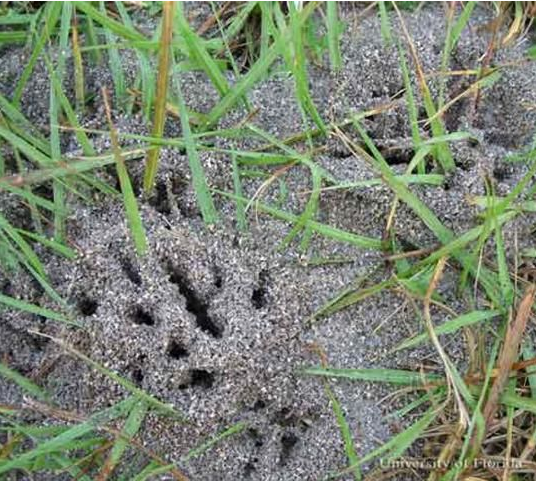
- Search for Frass (Ant Debris): For ants like Carpenter Ants that tunnel through foam or wood, look for tell-tale piles of frass. This fine, sawdust-like material, often mixed with insect parts, indicates tunneling activity. Check closely near concrete expansion joints, cracks in the slab, or along the edges.
🧪 Treating the Ant Nest Under Your Concrete Slab
Once you’ve successfully located the probable ant nesting site under or near your concrete slab, it’s crucial to take immediate action to eliminate the colony. Here are effective DIY ant control steps Florida homeowners can take:
DIY Ant Nest Treatment Steps: How to kill ants under concrete
Eliminate Competing Food Sources: Ants will prioritize readily available food over bait. Before applying any treatment, thoroughly clean up any pet food, trash, or outdoor food debris. For your landscape, it’s also important to:
- Apply the Correct Ant Bait: Choosing the right bait is critical for success.
- Granular Bait: For outdoor use around the edges of your driveway, patio, or sidewalk slab, granular baits like Advance 375A or BASF Carpenter Ant Bait are effective. Ants carry these granules back to the nest, eliminating the colony from within.
- Gel Bait: For indoor ant trails or in confined outdoor spaces, a gel bait such as Maxforce Carpenter Ant Gel is an excellent option.
- Optimal Application Time: Timing maximizes bait effectiveness.
- Apply ant bait in the early morning or late evening, when ants are most active and actively foraging for food.
- Avoid wet conditions, including dew or recent rain, as moisture can degrade baits and make them less appealing to ants.
If DIY ant baiting doesn’t resolve your ant problem, or if you prefer a guaranteed solution from the start…
Professional Ant Extermination Under Your Florida Concrete
When DIY ant control isn’t enough – or if you’re ready for a permanent solution to ants under your driveway foam – it’s time to call in the experts.
At Pest & Lawn Organic Guard, I specialize in eliminating these stubborn colonies. My advanced foaming spray system is designed to:
- Inject professional-grade insecticide foam directly into the voids and cavities beneath your concrete slab where ants are nesting.
- Thoroughly treat all hidden areas where ant colonies reside, ensuring complete coverage.
- Knock out the entire ant colony at its source, rather than just addressing foraging ants.
This method is fast, highly effective, and doesn’t rely on ants taking bait, providing a reliable pest control solution for:
- Ants under your driveway
- Patio ant infestations
- Sidewalk ant problems
- Garage slab pest control
- Foundation ant colonies
It’s fast. It’s effective. And it doesn’t rely on ants taking the bait.
Whether you’re dealing with ants under your:Ready to get rid of ants for good? Call Pest & Lawn Organic Guard at 321-704-0434 or schedule your pest control appointment online 24/7!
Serving Brevard & Indian River Counties (Especially the Barrier Island)
From Cocoa Beach down to Vero Beach, I provide expert ant control for homeowners throughout Brevard County and Indian River County, focusing especially on the Barrier Island. I’m here to help you reclaim your property from persistent ants and other nuisance pests.
My commitment is simple: I show up on time, provide fair pricing, and treat your property with the utmost care, as if it were my own.
Quick Recap: What You Should Do
✅ Step 1: Locate the Nest: Diligently try to find the ant nest under your concrete.
✅ Step 2: Remove Food Sources: Eliminate all competing food sources to make baits effective.
✅ Step 3: Apply Ant Bait: Use the correct bait during peak foraging times.
✅ Step 4: Call the Pros: If DIY ant treatment isn’t working, contact Pest & Lawn Organic Guard.
✅ Step 5: Professional Foam Treatment: I’ll permanently foam out those ant colonies for you.
Don’t let ants take over your Florida driveway or home. Get effective, lasting pest control!