Got Carpenter Ants? Here’s How to Get Rid of Them Guaranteed (Helpful Tips from a Local Expert)
Contents
- 0.1 The Ultimate Guide to Carpenter Ant Control in Florida Homes
- 0.2 Identifying Carpenter Ants: What to Look For
- 0.3 Carpenter Ants vs. Termites: A Key Comparison
- 0.4 Did You Know? A Surprising Connection
- 0.5 Why Are Carpenter Ants Attracted to Your Home?
- 0.6 Signs of a Carpenter Ant Infestation
- 0.7 DIY Tips for Carpenter Ant Prevention & Control
- 0.8 The Advantage of Professional Carpenter Ant Treatment
- 0.9 Value-Added Services: Free Attic Dusting
- 0.10 Serving Brevard and Indian River Counties: From Beach to Groves
- 0.11 Schedule Your Carpenter Ant Treatment Today
- 1 🛠️ Carpenter Ant Control FAQ
- 2 📍 Carpenter Ant Service Areas
The Ultimate Guide to Carpenter Ant Control in Florida Homes
Carpenter ants are a serious threat to Florida homes, especially with the high humidity that makes wood vulnerable. Unlike termites, they don’t eat wood; instead, they tunnel through it to create nests, causing significant structural damage over time. This makes early detection and effective control crucial for homeowners in Brevard and Indian River Counties.
At Pest & Lawn Organic Guard, we specialize in eco-friendly and lasting solutions for carpenter ant infestations. Our expert team is dedicated to protecting your home with safe, sustainable treatments that get to the root of the problem.
Identifying Carpenter Ants: What to Look For
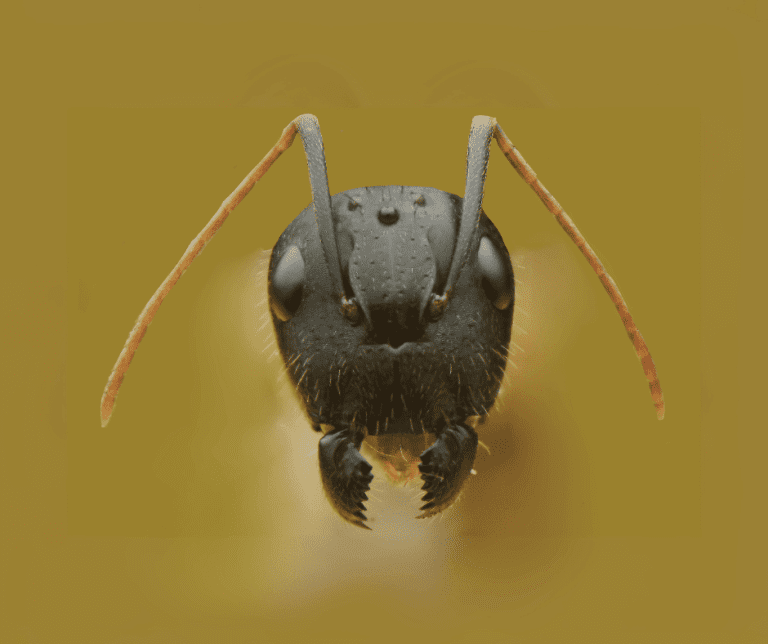
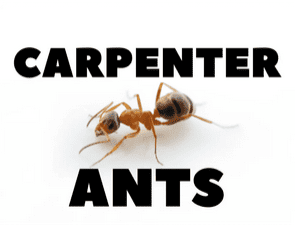
Carpenter ants are among Florida’s largest ant species (Camponotus genus), making them easier to spot. Knowing the signs of an infestation is the first step to effective control.
Key Signs You Have Carpenter Ants:
- Nocturnal Foraging: You may see them foraging for food and water in your kitchen or bathroom at night.
- Visible Trails: Look for ants crawling on walls, windowsills, or along baseboards.
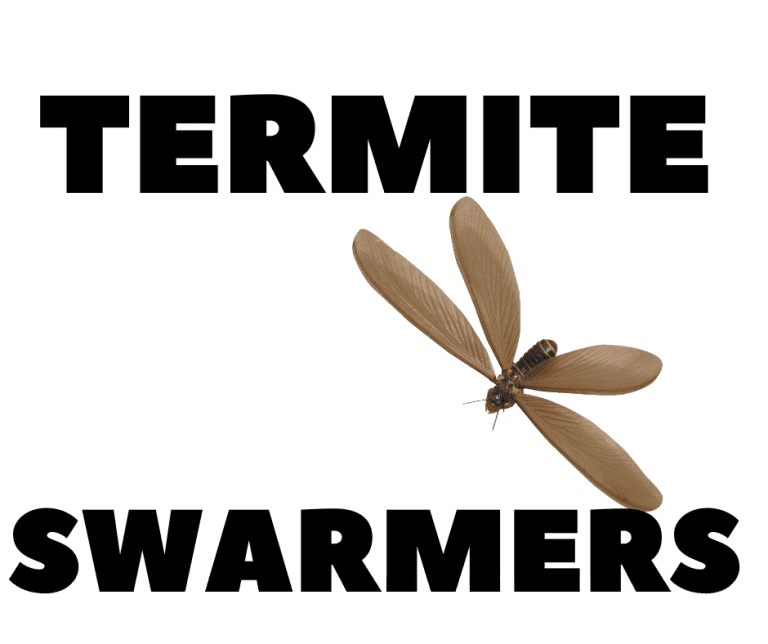
- Swarmers: During mating season, you might see winged carpenter ants (swarmers) flying toward light sources.
- Wood Shavings: Piles of fine sawdust-like material (frass) near wooden structures are a major indicator.
Appearance:
- Size: They range from ⅓” to ⅝” in length, making them significantly larger than most other ants.
- Color: They can be solid black, red, or a combination of both.
- Distinctive Features: Unlike termites, carpenter ants have a pinched waist, elbowed antennae, and hind wings that are shorter than their front wings (if they are swarmers).
Carpenter Ants vs. Termites: A Key Comparison
Distinguishing between carpenter ants and termites is crucial for effective treatment. While both can cause damage, their biology and behavior are very different. The table below highlights the key differences to help you identify which pest you’re dealing with.
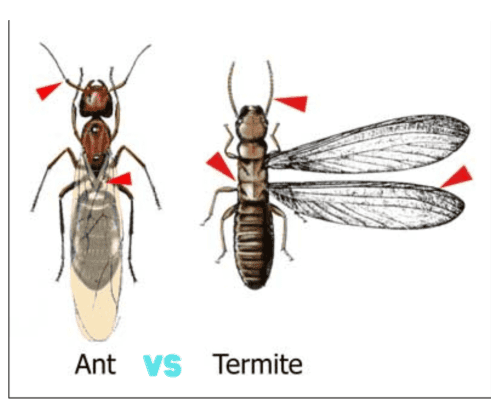
FeatureCarpenter AntsSubterranean TermitesWaistPinched waist (like an hourglass)Broad waistAntennaeElbowed or bentStraight or beadedWingsTwo pairs of wings, front wings are longer than hind wingsTwo pairs of wings, all are equal in lengthBehaviorChew wood to build nests, leaving behind sawdust-like frassEat wood from the inside out, creating mud tubesDamageSmooth, clean tunnels inside wood
| Feature | Carpenter Ant | Subterranean Termite |
|---|---|---|
| Damage | Smooth, clean tunnels inside wood | Tunnels packed with mud and dirt |
| Waist | Pinched waist (like an hourglass) | Broad waist |
| Antennae | Elbowed or bent | Straight or beaded |
| Wings | Two pairs of wings, front wings are longer than hind wings | Two pairs of wings, all are equal in length |
| Behavior | Chew wood to build nests, leaving behind sawdust-like frass | Eat wood from the inside out, creating mud tubes |
Did You Know? A Surprising Connection
An interesting fact about these pests is that they are often found together. Carpenter ants are known to prey on termites, and they are also attracted to the moist, damaged wood that termites leave behind.
Finding one type of pest can be a strong indicator that the other is also present, making a thorough inspection essential.
Why Are Carpenter Ants Attracted to Your Home?
Carpenter ants are drawn to homes by three main factors: moisture, shelter, and a food source. Addressing these issues is key to preventing an infestation. If you’re spotting carpenter ants indoors, it’s often a sign of one or more underlying problems:
- Excess Moisture: Leaky roofs, plumbing pipes, or gutters create the moist, decaying wood they need for nesting.
- Decaying Wood: Soft or rotting wood, often found in siding, windowsills, porches, or attics, provides the perfect site for them to build their galleries.
- Direct Access: Tree branches or shrubs touching your home act as bridges for ants to get inside.
- Outdoor Debris: Piles of old firewood, fencing, or other wood debris stored near your home can be a primary source of an infestation.
- Food Sources: They feed on other insects, sweets, and honeydew from aphids or scale insects. The presence of these pests on your landscaping can attract carpenter ants to your property.
Signs of a Carpenter Ant Infestation
Early detection is key to preventing major damage. Watch out for these common signs of a carpenter ant infestation:
- Visible Ants: Seeing large black, red, or bi-colored ants crawling indoors or outdoors is a primary indicator.
- Frass: Piles of fine, sawdust-like material, known as frass, are a major sign. This debris is a mix of wood shavings and insect parts, and it is often found below “kick-out” holes where the ants have excavated.
- Wood Damage: Look for small, perfectly round holes in wooden surfaces, such as walls, trim, or floorboards. These are their “kick-out holes.”
- Audible Sounds: If you listen closely, especially at night when they are most active, you might hear a faint rustling or tapping sound inside your walls.
- Discarded Wings: During swarming season, you may find piles of discarded wings near windowsills, doors, or other light sources. This is a sign that a new colony is starting nearby.
DIY Tips for Carpenter Ant Prevention & Control
While eliminating a full-fledged carpenter ant colony usually requires professional help, these DIY tips can significantly reduce your risk and help with early control.
1. Find and Eliminate Moisture Sources: Carpenter ants are drawn to moisture. Regularly inspect your home for leaks in plumbing, roofs, and gutters. Repairing these issues and using a dehumidifier in damp areas like crawl spaces can make your home less attractive to them.
2. Remove Potential Nesting Sites: Clear away wood debris, such as old firewood piles and tree stumps, from around your home. Trim tree branches and shrubs that touch your roof or siding, as they can serve as bridges for ants.
3. Use Baits Strategically: Commercial carpenter ant baits can be effective, but they require patience. Place them outdoors along known ant trails, not inside your home. This allows foraging ants to carry the bait back to the nest, where it can eventually impact the entire colony.
4. Seal All Entry Points: Seal cracks and crevices in your home’s foundation, walls, and around windows and doors with caulk. Make sure screens are in good repair and that door sweeps are installed correctly to block potential entryways.
The Advantage of Professional Carpenter Ant Treatment
While DIY methods can help, a professional approach is often the only way to fully eliminate a carpenter ant colony. The main reason is that these pests rarely nest where you first spot them. At Pest & Lawn Organic Guard, our expert service provides a comprehensive and lasting solution.
Our Professional Process Includes:
- Detailed Inspection: We perform a thorough inspection to locate the primary and satellite nest sites, which are often hidden in difficult-to-reach areas.
- Targeted Treatment: We use precise dusting techniques to apply eco-friendly products directly into voids and galleries where the ants live and breed.
- Perimeter Defense: Our exterior perimeter treatments create a protective barrier around your home to prevent new ants from getting inside.
- Long-Term Prevention: We apply long-lasting dusting in your attic and other high-risk areas to protect against future activity.
- Addressing Food Sources: We also offer aphid and scale control services to eliminate the sweet honeydew that is a major food source for carpenter ants, reducing their attraction to your property.
Value-Added Services: Free Attic Dusting
As a bonus for new customers, we provide a free attic dusting that offers long-lasting protection. This powerful treatment not only targets and eliminates existing carpenter ants but also acts as a preventative barrier against other common Florida pests, including:
This fine dust settles deep into insulation and wood joints, reaching areas that other treatments often miss, ensuring comprehensive and enduring pest control.
Serving Brevard and Indian River Counties: From Beach to Groves
No matter where you are in the region, from the beachfront condos of Indialantic to the shady groves of Sebastian, Pest & Lawn Organic Guard is your trusted partner for carpenter ant control. Our local expertise ensures that we understand the unique challenges faced by homeowners in Brevard and Indian River counties.
We are dedicated to providing effective, long-lasting solutions to help you reclaim your home from these destructive pests.
Schedule Your Carpenter Ant Treatment Today
Ready to get rid of carpenter ants for good? We proudly serve homeowners across the region, including Cocoa Beach, Indian Harbour Beach, Satellite Beach, Indialantic, Melbourne Beach, Vero Beach, Indian River Shores, Sebastian, and Palm Bay.
Contact us today to get expert help and long-lasting results. As a locally-owned and veteran-operated company, we are committed to providing you with the peace of mind you deserve.