
🐭 Rats in Your Car? How Rats Are Damaging Florida Cars (And How To Prevent It)
Contents
- 1 …ᘛ⁐̤ᕐᐷ Car Trouble? It Might Be Rats In Your Car
- 1.1 Rats in your car?
- 1.2 TL;DR: Animal Nest In Engine
- 1.2.1 🐀 Why Rats, Mice, and Squirrels Target Your Vehicle
- 1.2.2 Where Do Rats Nest In Cars? (The Costly Hideouts)
- 1.2.3 Case Study: Rodent Damage In My Own Truck
- 1.2.4 How to Stop Rodents From Getting Into Your Car
- 1.2.5 Rodents Already Damaged Your Car? Here’s the Next Step
- 1.2.6 Rats Are Smarter Than You Think
- 1.2.7 Need Help With Rats In Your Car Now?
- 1.3 🧠 FAQ Section: Rats in Cars
- 1.4 ✅ Ready to Kick Rats to the Curb?
…ᘛ⁐̤ᕐᐷ Car Trouble? It Might Be Rats In Your Car
Rats in your car?
If you’ve popped your hood and discovered shredded insulation, gnawed wires, or a nest of debris, you’ve unfortunately joined the growing “rodent damage in car” club.
This problem is common and increasing here in Brevard and Indian River Counties. Rodents, including rats, mice, and squirrels, are getting into vehicles because they are searching for food, shelter, and warmth.
We can help you identify the problem and safely implement a rodent baiting strategy to protect your investment.
TL;DR: Animal Nest In Engine
Rats get into cars for warmth, shelter, and food, especially in rodent-heavy areas like Brevard and Indian River Counties. They nest in the engine bay and chew costly soy-based wiring. Prevent them by removing external food sources, moving your car regularly, and keeping the interior spotless. If infested, do not bait inside; call us for professional rodent baiting and exclusion services.

🐀 Why Rats, Mice, and Squirrels Target Your Vehicle
Rats aren’t lazy—they’re opportunistic.
Rodents getting into cars is often unavoidable, especially here in Brevard and Indian River Counties. Your vehicle offers exactly what they need: shelter from the elements, protection from predators, and, crucially, a dry place to hide.
This natural draw is compounded by:
- Environmental Pressure: Rodents are constantly pushed out of their existing homes. Events like heavy rain or floodwater often drive rats to seek the immediate shelter your car provides.
- Widespread Local Activity: The entire Space and Treasure Coast is rodent territory. From the Norway rat tunnels lining the riverfront and mainland canals, to the high populations in beach dunes and urban areas, rats are always nearby and on the move. They live in tree canopies, under bushes, and along canal fronts.
- Local Food Buffets: Your car is often parked near a rodent buffet. Nearby bird feeders, chicken coops, pet food bowls, palm fruit, or even a neighbor’s messy yard significantly increase the number of rats, mice, and squirrels actively searching for new homes near your car.
- Still Vehicles: If your car sits unused for a few days, rodents treat it as a vacant, available condo, increasing the risk of them building a nest in the engine bay.
Where Do Rats Nest In Cars? (The Costly Hideouts)
While you might worry about the passenger cabin, rodents rarely nest inside the passenger cabin.
The most common and destructive places rats nest in cars are the sheltered areas under the hood, leading to expensive damage:
More often, they nest:
- Engine Bay and Underbody Trays: The safest, warmest areas. Rodents frequently access the plastic underbelly trays (the splash shields) to build nests and store scavenged food, like the chicken bones sometimes found there.
- Air Intake/Filter Housing: A dark, secluded place where mice and rats frequently build nests.
- HVAC System: Rodents can block vents and damage the air conditioning components.
- Under the Battery Tray: A popular, warm nook for building satellite colonies in the complex, plasticized compartments of modern cars.
The true cost comes from their chewing. Thanks to modern manufacturers using soy-based wiring insulation, your car’s wires are now a tempting chew toy. This chewing can cause serious electrical failure, making rodent damage a major issue.
Case Study: Rodent Damage In My Own Truck
As a pest professional with backyard chickens, I learned the hard way that poor food management attracts rodents.
My own laziness in cleaning up chicken feed earned me a little gift: rat droppings on my Toyota’s AC filter.
I had to perform a full rodent exclusion and deep clean on my own vehicle to successfully stop the recurring infestation.

How to Stop Rodents From Getting Into Your Car
Preventing rodent damage in your vehicle requires proactive steps to make your environment less appealing:
- Eliminate External Food Sources: Do not leave out pet food, bird seed, chicken feed, or fallen fruit overnight. Removing this “buffet” near your parking spot is the first step in rodent prevention.
- Park Smart: Avoid parking directly next to known food sources, like fruiting palm trees or dense bushes. The right parking spot can significantly reduce the risk of rats in your engine bay.
- Move Your Vehicle Regularly: If your car sits idle for several days, it becomes an invitation. Simply moving the car or turning it around can disrupt and confuse scouting rodents.
- Ask About Rodent Repellent Tape: When getting maintenance, ask your mechanic to use special anti-rodent tape around exposed wiring. This deterrent tape can protect soy-based wiring from chewing damage.
Rodents Already Damaged Your Car? Here’s the Next Step
If you are already dealing with rodent damage in your car or seeing rats around your driveway, follow these guidelines for safe elimination:
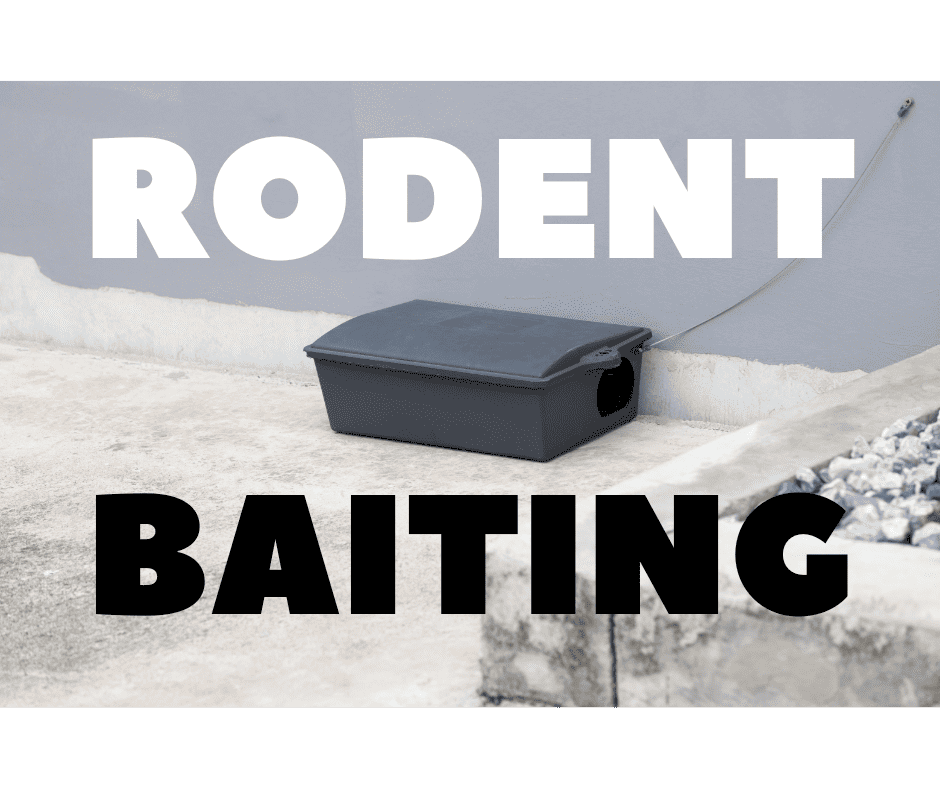
- Do NOT bait inside the car or garage. Baiting indoors is unsafe, creates odors, and can attract more pests.
- Use Exterior Bait Stations Safely. The safest approach is to use exterior, secured, and locked bait stations placed away from your vehicle.
Both services are available in:
Palm Bay, West Melbourne, Melbourne, Suntree, Viera, Rockledge, Merritt Island, Cape Canaveral, Cocoa Beach, Indian Harbour Beach, Satellite Beach, Indialantic, Melbourne Beach, Vero Beach, Indian River Shores, Sebastian, and Barefoot Bay.
Rats Are Smarter Than You Think
Rats can smell where other rats have been. If one car has ever had rodents, it’s now marked territory. That means the problem can return unless you handle it right.
Need Help With Rats In Your Car Now?
If you suspect rats in your engine or have existing damage, don’t wait for catastrophic chewed wires. Contact us immediately for professional assistance.
Reach out for Rodent Baiting or Rodent Exclusion Services before this turns into an expensive repair.
🛠️ Call Pest & Lawn Organic Guard—we are local, experienced, and specialize in stopping rodent damage in vehicles here in Brevard and Indian River Counties.
🧠 FAQ Section: Rats in Cars
🐀 GENERAL RODENT QUESTIONS
🧰 PREVENTION & SAFETY TIPS
🏠 SERVICES & LOCAL COVERAGE
🐶 PET SAFETY
✅ Ready to Kick Rats to the Curb?
Whether they’ve invaded your engine or your attic, we’ve got your back.
👉 Schedule rodent baiting or exclusion service today and stop the problem before it gets worse.
📞 Call David at 321-704-0434
or
🗓️ Easily book an appointment online — no phone call needed.