
Psocids: Invasion Solved: Are Those Tiny Spots on Your Walls Mysterious Specks or Booklice?
Contents
- 1 Homeowners Guide To Controlling Psocids: (Booklice and Barklice)
- 1.1 TL;DR: How to eliminate Booklice
- 1.2 What Are Psocids (Booklice)?
- 1.3 How to Get Rid of Psocids in Your House
- 1.4 Why Humidity is a Problem in Florida Homes
- 1.5 Understanding Barklice: The Outdoor Psocid
- 1.6 Psocid Diet: Why They Are Your Moisture Indicator
- 1.7 Conclusion: Take Control of Your Home’s Humidity
- 1.8 FAQs About Psocids & Booklice in Florida Homes
- 1.9 Still Have Questions About Psocids?
- 1.10 We Provide Pest Control & Termite Control Services To These Cities:
- 1.11 Our Pest Control Service Covers All These Pests; Guaranteed:
Homeowners Guide To Controlling Psocids: (Booklice and Barklice)
TL;DR: How to eliminate Booklice
To eliminate psocids (booklice), you must reduce indoor humidity to 40–45% using a dehumidifier, as they thrive on moisture, mold, and mildew. They are harmless, but their presence indicates an underlying moisture problem (like a hidden leak or high local humidity). Solving the moisture issue is the permanent solution; pesticides are ineffective.
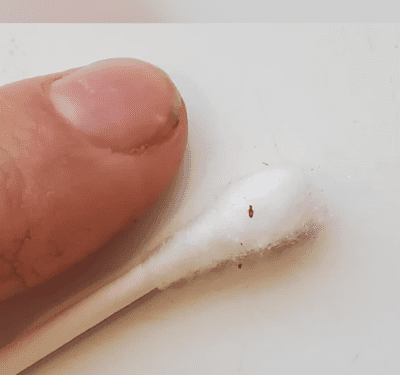
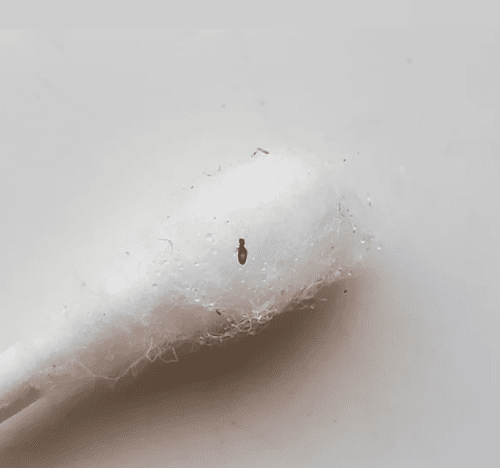
You’ve spotted a tiny, translucent insect—a speck-sized bug—crawling on a wall, bookshelf, or window sill.
You might have psocids, commonly called booklice. These pests are incredibly common here on the Space and Treasure Coasts, particularly in humid environments.
While harmless to humans and pets, psocids can be persistent. The good news is that you don’t need harsh pesticides to eliminate them.
You simply need to address the root cause of the infestation: high indoor moisture and humidity.
What Are Psocids (Booklice)?
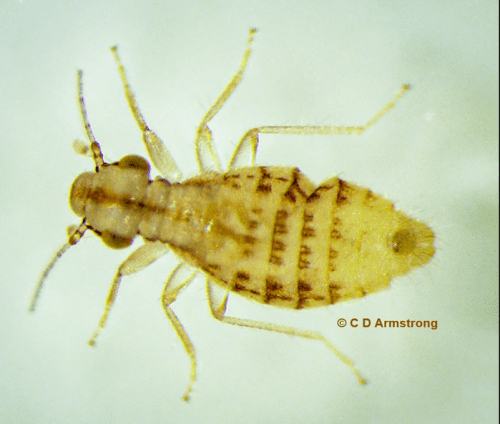
Psocids are minuscule insects, often referred to as booklice because they were historically found feeding on the starch glues in book bindings.
While there are thousands of species, the ones you find indoors in warm, humid areas like Brevard and Indian River Counties are typically tiny—only 1 to 2 mm long.
They are soft-bodied, pale, and often described as tiny white bugs or “dust with legs,” making them incredibly hard to spot.
Occasionally, larger relatives called barklice (6-10mm) may wander inside, but both types of these humidity bugs pose the same problem and require the same moisture-control solution.
How to Get Rid of Psocids in Your House
To successfully eliminate psocids (booklice), you must focus on controlling their environment. Chemical treatments are rarely necessary or effective for these humidity pests.
Step 1: Vacuum Thoroughly and Eliminate Food Sources
Begin by removing the insects and their primary food sources—microscopic mold spores and mildew—using a powerful vacuum. Pay close attention to:
- Closets, cabinets, and around sinks/showers.
- Baseboards, window sills, and tight corners.
Step 2: Implement Whole-Home Humidity Control (The Key to Psocid Control)
Psocids thrive in high humidity (above 60%). To naturally eradicate them, reducing the moisture in your home is the critical step:
This environmental change is a textbook case of Integrated Pest Management (IPM). Once the air is too dry, the pests will dehydrate and die off naturally within one to two weeks.
Use a dehumidifier to consistently maintain your indoor air humidity level between 40–45%.
3. Supplement with Local Moisture Absorbers
For smaller, highly localized problem areas like kitchen cabinets, pantries, or small closets, you can supplement your dehumidifier strategy:
Place moisture absorbers like DampRid to pull localized moisture out of the air, making these spots even less inviting to booklice.
Why Humidity is a Problem in Florida Homes
Florida homes are notorious for retaining high humidity, which fuels psocid and booklice infestations—especially along the Space Coast and Treasure Coast. Local building styles and features often create ideal micro-climates for these pests:
- Bathroom-Connected Closets: Master closets frequently open directly into bathrooms, where high moisture air escapes and gets trapped, creating perfect humid zones that attract psocids and silverfish.
- Concrete Block Construction: Homes built with concrete block tend to hold moisture, making ambient humidity control difficult.
- Waterproofing Issues: Many properties in Brevard and Indian River Counties may have subpar waterproofing, leading to hidden moisture intrusion.
- Poor Ventilation: Closets and smaller storage areas often lack dedicated HVAC vents, leading to trapped, stagnant air and humidity buildup.
- Other Moisture Sources: Window condensation, slow plumbing leaks, and even over-watered houseplants contribute significantly to the high moisture levels that psocids thrive on.
If you are consistently seeing booklice, you can be certain that a persistent moisture issue is present and must be addressed.
Understanding Barklice: The Outdoor Psocid
Barklice (sometimes called “tree cattle”) are the larger relatives of indoor psocids, typically measuring 6mm or more. While they primarily live outdoors on trees, they can easily wander or be carried inside your home through open windows or doors.
They enter structures due to:
- Firewood: Bringing in wood from outside is a common way to introduce barklice.
- Potted Plants: Infested outdoor or indoor potted plants.
- External Moisture: Poor drainage or overwatering near the foundation encourages them to seek shelter indoors.
- Environmental Factors: If you live near dense woods or in particularly high-humidity outdoor areas, you are more likely to encounter barklice indoors.
No matter the type, the solution is always controlling the moisture that sustains them.
Psocid Diet: Why They Are Your Moisture Indicator
Psocids are not feeding on your furniture or structure; their diet consists primarily of:
- Mold
- Fungi
- Algae
- Lichens
This means that seeing booklice is a clear indicator of excessive moisture and microbial growth in that location. If you find them, you must investigate further: Is there a hidden plumbing leak, a roof issue, a recurring condensation problem, or a humidity pocket encouraging mold? Solve the moisture source, and you will permanently solve the psocid problem.
Conclusion: Take Control of Your Home’s Humidity
Psocids (booklice) are fundamentally an environmental issue, not a pesticide one.
The most effective long-term strategy for psocid control is to drastically reduce and maintain indoor humidity levels below 50%.
By thoroughly vacuuming and consistently running a dehumidifier, you eliminate their primary food source (mold and mildew) and dehydrate the pests.
If your infestation is persistent, it indicates a larger moisture issue—such as a hidden leak or poor ventilation—that requires professional attention. If you are struggling with recurring booklice infestations in your Brevard or Indian River County home, contact us to identify and resolve the underlying moisture problem today.
FAQs About Psocids & Booklice in Florida Homes
CATEGORY: IDENTIFICATION
CATEGORY: PREVENTION & LONG-TERM
Still Have Questions About Psocids?
Give me a call at 321-704-0434 if you’re unsure whether it’s psocids, something else, or if you just need a second opinion.
I’m happy to help — even if it’s not a job for pesticides. At Pest & Lawn Organic Guard, we don’t just spray — we solve.
Because the best kind of pest control? Is the kind you don’t need to call us for again.