The Great Dry-Out: Why You Find Dried-Up Earthworms on Concrete After the Rain
Contents
- 1 Why You’re Finding Dried-Up Worms on Your Sidewalk and Driveway
- 1.1 TL:DR: Dried Out Worms on Sidewalks
- 1.2 Why Earthworms Come Out During Wet Weather
- 1.3 Watering Practices Can Make It Worse
- 1.4 Why You Find Dried-Up Earthworms Dead on the Concrete
- 1.5 Can Pest Control Stop This? Unfortunately… No.
- 1.6 Why Some Storms Cause It—and Others Don’t
- 1.7 Bottom Line
- 1.8 FAQ’s Dried-Up worms on your driveway
Why You’re Finding Dried-Up Worms on Your Sidewalk and Driveway
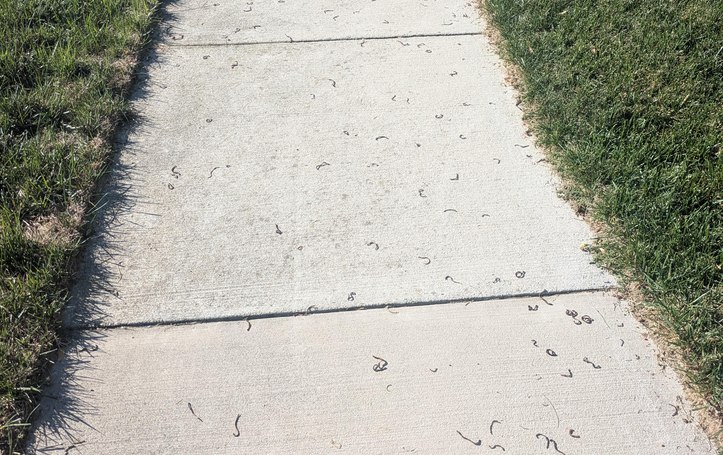
If you’ve ever walked outside after a stretch of wet weather and found dried-up earthworms stuck to your sidewalk or driveway, you’re not alone. This is one of those calls pest control companies get all the time—people want to know what they are, why they’re there, and if anything can be done.
Let’s clear it up:
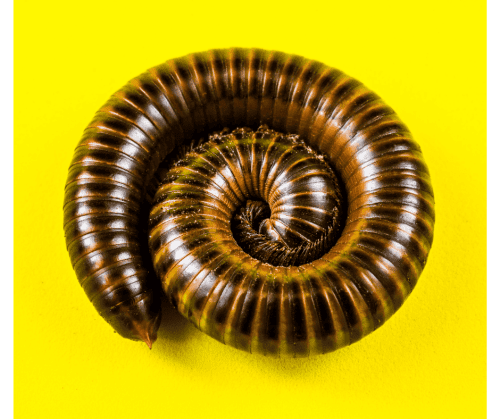
When people call us about “shriveled worms” on the sidewalk, it’s almost always one of two things:
- Millipedes
- Earthworms
Today we’re talking about earthworms—and why they sometimes end up looking like little dried spaghetti noodles across your concrete.
TL:DR: Dried Out Worms on Sidewalks
Dried-up worms on sidewalks and driveways are almost always earthworms escaping saturated soil after long periods of rain or overwatering. Earthworms breathe through their skin and can’t survive in fully waterlogged soil, so they crawl upward—often onto sidewalks—where many dry out before they can return. It’s a natural occurrence, not a pest issue, and there’s nothing to treat. Most storms don’t cause this; it’s the long, slow, multi-day rains that push them out.
Why Earthworms Come Out During Wet Weather
The number one reason earthworms crawl out of the soil is excessive rain. And here in Florida, we’re no strangers to that. When it rains for days on end—something we experience often during summer—it can completely saturate the soil.
Here’s the key thing:
Earthworms breathe through their skin.
They need oxygen to diffuse through the moisture on their skin and into their bodies.
But when the soil becomes fully saturated, all those tiny air pockets disappear, and earthworms begin to suffocate.
So they crawl out.
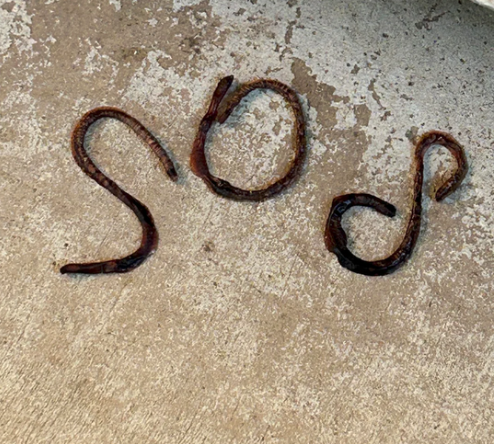
Unfortunately, the sidewalk becomes their “lifeboat”—but much like a slimy version of the Titanic finale, it’s not a great long-term solution. Many worms can’t make it back in time before the sun comes up and dries them out, which is why you find them stuck to concrete.
Some get creative and climb:
- Up blades of grass
- Onto weeds
- Onto the base of trees
Watering Practices Can Make It Worse
Rain isn’t the only culprit—overwatering your lawn can contribute to the same problem.
A few examples:
- No rain sensor
- Having a rain sensor that doesn’t work
- Running your sprinklers heavily… then getting hit by a storm right after
- Watering too frequently
- Running irrigation during rain events
Even irrigation alone usually isn’t enough to force worms out, because most people don’t apply more than an inch of water during a cycle. But when irrigation and rain overlap, conditions can get swampy fast.
Once the soil becomes fully saturated—just like with days of rainfall—the worms start to panic and head upward.
Why You Find Dried-Up Earthworms Dead on the Concrete
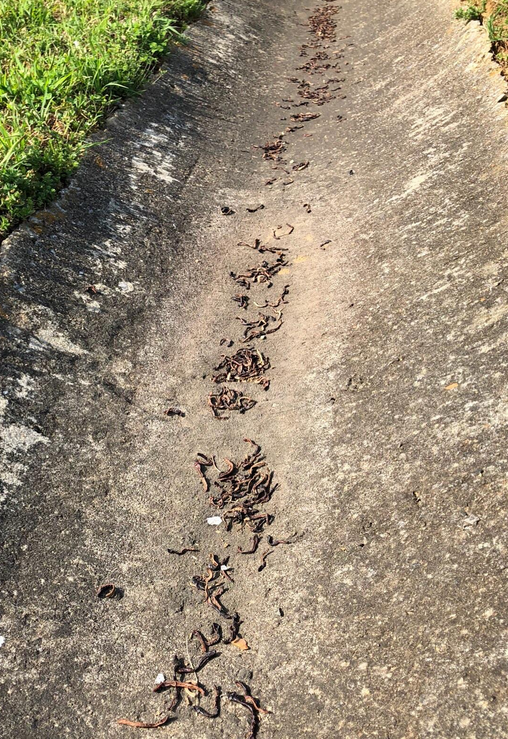
Sidewalks, driveways, and patios are just the closest solid surfaces for them to escape to. But once it stops raining, that concrete gets hot and dry quick.
- They can’t get back to the soil fast enough
- Their skin dries out
- They dry out and die
That’s why you’ll often see them lined up along the edges of driveways or stretched across sidewalks like nature’s unfortunate confetti.
Can Pest Control Stop This? Unfortunately… No.
This is one of those times when we have to be honest and say:
There is no product a pest control company can put down to stop earthworms from surfacing.
And really—why would you want to?
Earthworms are fantastic for your lawn. They naturally aerate the soil, break down organic material, and keep your turf healthier.
If seeing them dried up on the sidewalk bothers you, the only real “fix” is a hands-on one:
Go outside and relocate any stranded earthworms during heavy rain. A quick flick back into the grass saves them every time.
Why Some Storms Cause It—and Others Don’t
Most:
- Regular irrigation cycles
- Typical rain showers
- Fast-moving afternoon thunderstorms
…don’t cause worm die-offs. These don’t usually saturate the soil enough to remove the air pockets earthworms need.
It’s the long, drawn-out storms—the ones that last for days—that cause trouble.
Those prolonged rains slowly push water deeper and deeper until the entire soil profile becomes soaked. At that point, every air gap disappears, and the worms simply can’t stay underground.
Bottom Line
Finding dried-up worms on your sidewalk doesn’t mean:
- Your lawn is unhealthy
- You have a pest problem
- You need treatment
- Your yard is infested
It just means nature is doing what nature does during long, soaking rains.
Earthworms are great for your yard—but when the soil becomes too saturated, they have no choice but to climb out, and many don’t make it back before drying out.
If you ever have actual millipedes, pest issues, or anything crawling around that does need treatment, that’s where we come in. But when it comes to Florida rain and earthworms… nature is in the driver’s seat.
FAQ’s Dried-Up worms on your driveway
https://blogs.ifas.ufl.edu/orangeco/2017/10/26/earthworms-drying-up-on-the-sidewalks