Can Roaches Come Out of the Drain? The Lurking Threat Florida Homeowners Need to Know
If you’ve ever spotted a cockroach skittering around your sink, shower, or bathtub, you’ve likely asked the question: Can roaches come out of the drain? The short answer for Florida homeowners is a definitive—and unfortunate—yes.
However, drains are not just entry points; they are major attractants. Understanding why sewer roaches and other pests are drawn to your plumbing is the first step in preventing a drain infestation. Let’s break down the reasons roaches love drains, how they use plumbing to gain entry, and the most effective ways to stop them.
Contents
- 1 TL;DR: Can Roaches Come Up Drains?
- 2 3 Main Ways Roaches Gain Access Through Plumbing
- 3 Why Roaches Are Attracted to Your Drains
- 4 Found Baby Roaches? The Drain May Be a Nursery
- 5 How to Identify a True Drain Infestation
- 6 Professional, Upfront Control from Pest & Lawn Organic Guard
- 7 Call Today
- 8 Fast & Easy Online Scheduling For Roach Spray Service
- 9 Rated 5-Stars by Your Neighbors
- 10 FAQs: Roaches Coming Up Drains
TL;DR: Can Roaches Come Up Drains?
The Answer: Yes, if a dry drain or leaking pipe creates an open line to the sewer.
The Attraction: Often, they are just drawn to your drains for the moisture and scummy food inside.
The Difference: A true drain infestation is unmistakable—it’s a massive, gross outbreak with heavy droppings and trails.
Action Plan: Keep traps wet, clean your drains regularly, and install covers on plumbing roof vents.
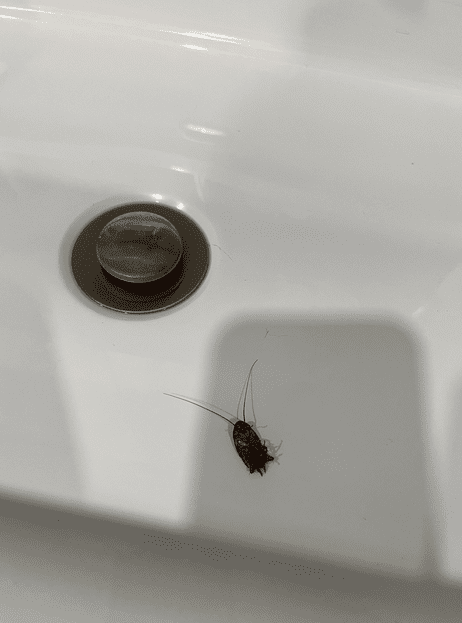
3 Main Ways Roaches Gain Access Through Plumbing
Roaches are opportunistic pests, and your home’s plumbing system provides multiple vulnerabilities. These entry methods often lead to severe and hard-to-treat roach infestations.
1. The Dry Water Barrier (The Direct Path)
When a drain goes unused for a long period—such as in a snowbird home or vacant property—the water trap inside the pipe can dry out. This eliminates the only barrier to the sewer or septic line.
- This creates an open channel straight from the underground system into your living space.
- Septic tanks are especially prone to harboring and releasing large numbers of sewer roaches (often American Cockroaches) into a home through this method.
2. Defective, Leaking Pipes
Roaches only need a tiny gap to enter. A small leak or defect in your drain lines provides a perfect combination:
- It serves as a direct entry point from the wall void or ground.
- It introduces excess moisture, creating the damp, dark environment roaches prefer.
3. Uncovered Plumbing Vent Pipes
Do you have pipes sticking out of your roof? These are plumbing vents, and they offer a third path:
- Roaches (especially flying adult females) can fly directly down the open vent and gain access to your entire plumbing system.
- Solution: You can effectively block this aerial entry point by installing mesh covers or caps specifically designed to prevent insects and small animals from accessing the vents.
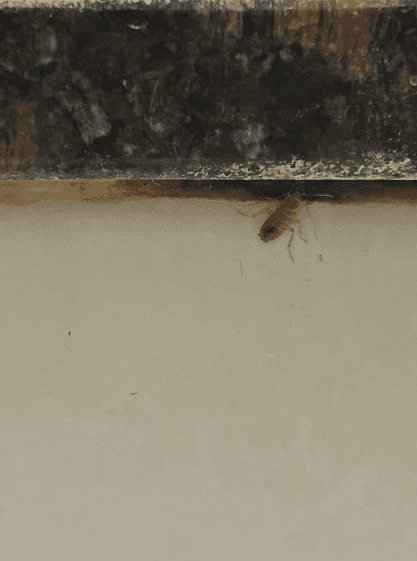
Why Roaches Are Attracted to Your Drains
Once roaches have gained access to your home, the drains often become their preferred habitat, whether they came through them or not. The attraction boils down to the three main things a cockroach needs to survive:
- Moisture Magnet: Roaches thrive in damp conditions. The constant presence of standing water and condensation in drain pipes makes them an ideal, reliable source of moisture, especially critical in Florida’s hot and humid climate.
- The All-You-Can-Eat Scum: Drains are notoriously dirty. The interior of the pipe collects organic buildup, grease, and “bio-scum.” Since roaches are omnivorous scavengers that will literally eat anything, this grime is a readily available, nutrient-rich food source.
- Initial Attraction vs. Entry Point: This is a key distinction for homeowners: finding roaches near your drain does not automatically mean they climbed out of it. More often, they are simply drawn to your scummy drains as a preferred shelter and dining spot.
So if you’re seeing roaches in or around a drain, it doesn’t always mean they came from the drain. They may just be attracted to what’s inside it.
Found Baby Roaches? The Drain May Be a Nursery
If you suddenly find a swarm of tiny baby roaches (nymphs) around your sink or tub, it usually points to a nearby breeding site, and the drain is often the culprit.
The Female Factor: A common scenario, especially in a Florida home, is for an adult female roach to settle near a moist, protected area like a drain to lay her egg case (oothceca). The resulting emergence of nymphs is often the first visible sign of an established local presence.
Key Point: The female was attracted to the drain’s conditions and laid eggs nearby; the babies did not necessarily crawl up from the sewer system.
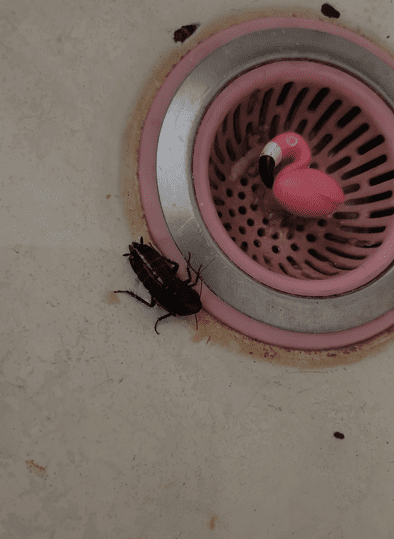
Simple Drain Maintenance to Deter Breeding
To make your drains less attractive for nesting and foraging, focus on cleanliness:
Enzyme Cleaners: Use maintenance products like Sani-Sticks or Green Gobbler sticks (enzyme or bacterial drain cleaners) to slowly dissolve buildup and keep the inner drain surfaces clean and less appealing to pests.
Scrub the Source: Use a specialized drain brush to manually scrub the organic film and scum inside the pipe where roaches feed.
How to Identify a True Drain Infestation
If roaches are actively entering your home through the main drain or sewer lines, the evidence is not subtle—it will be an unmistakable, horror-film level of activity.
The Unmistakable Sign: Nasty Accumulation
An infestation caused by an open or compromised drain is marked by a severe, dramatic level of pest activity. Expect to see:
- Massive Emergence: Roaches will emerge in large numbers, often appearing simultaneously from multiple drain points.
- Tell-Tale Trails: There will be a horrific accumulation of droppings. The roaches leave behind a “tapestry of tell-tale trails and dark, granulated residue” across all affected surfaces.
- The Vacant Home Risk: This level of infestation frequently occurs in homes left unattended for long periods, such as snowbird or seasonal residences, where the water traps have dried out and the pests have had months to establish a massive colony.
When roaches are using your drains as their primary entry point, there will be absolutely no doubt—the visual evidence will be overwhelmingly nasty.
Professional, Upfront Control from Pest & Lawn Organic Guard
If you suspect your drain problem is a full-blown infestation, don’t wait. At Pest & Lawn Organic Guard, we offer straightforward, veteran-owned service with upfront pricing and zero pushy salesmen:
Added Value: 9 Months of Protection
When we treat your home, we also apply an Insect Growth Regulator (IGR). This is a natural product that prevents baby roaches from maturing, offering you an extra 9 months of protection against reinfestation.
Ready to stop the roaches? Contact us today for reliable service and clear results.
Call Today
Got roaches showing up in your drains or anywhere else? Don’t wait until it looks like a horror movie. Call me today at 321-704-0434 or schedule an appointment online. As a local, veteran-owned business, I’m here to help you take your home back.
Fast & Easy Online Scheduling For Roach Spray Service
Stop waiting and start solving the problem. Use our secure, real-time booking tool to instantly check our availability and schedule your inspection or service appointment in less than 60 seconds.
Rated 5-Stars by Your Neighbors
We pride ourselves on perfect service. Don’t just take our word for it—read our customer testimonials below and see why every one of our verified clients has given us a flawless 5-star rating on Google.