🐜 Ant Control in Florida Homes: Smart, Effective Solutions for Brevard & Indian River Counties
Contents
- 1 Sometimes Killing All the Ants Can Make Ants Worse
- 2 🏝️ Why Florida Homes Are Prime Real Estate for Ants
- 3 ⚠️ The Hidden Dangers of DIY Ant Control
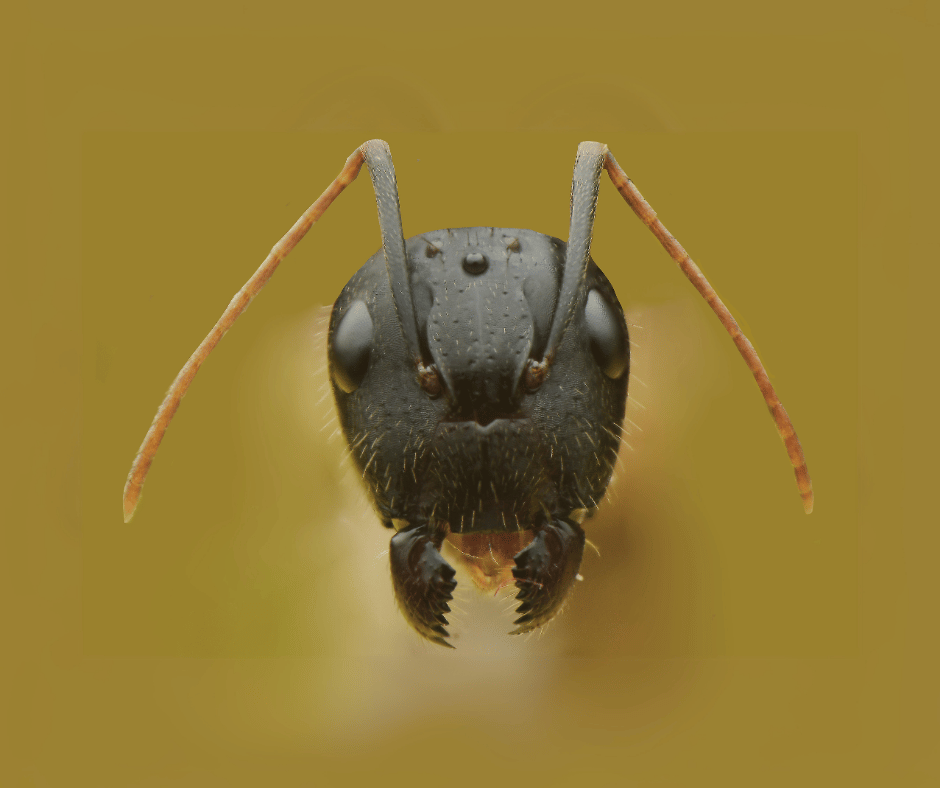
- 4 🧾 Common Ant Species in Brevard & Indian River Counties — Plus How to Treat Them
- 5 🧼 Smart DIY Ant Control Strategies
- 6 🧹 Non-Chemical Ant Control Methods
- 7 🧑🔬 Professional Ant Control & IPM Options
- 8 ⚖️ Nature’s Yin and Yang: Playing Nice with Ants
- 9 🧠 Ant Control FAQ for Brevard & Indian River County Homeowners
- 10 🏠 General Ant Questions
- 11 📞 Need Help Identifying or Treating Your Ant Problem?
- 12 📲 Call 321-704-0434 FOR A FREE ESTIMATE
Sometimes Killing All the Ants Can Make Ants Worse
Ant Control: If you live along Florida’s Space or Treasure Coasts—from Cape Canaveral to Vero Beach, including hotspots like Satellite Beach, Indian Harbour Beach, Indialantic, and Melbourne Beach—you’re probably familiar with ants invading your kitchen, bathrooms, or even your potted plants.
But here’s the plot twist: trying to wipe out every ant can actually make your problem worse.
When you eliminate all ant activity from an area, it creates what’s known as a “vacuum effect.” This empty niche doesn’t stay empty for long—it often invites aggressive, difficult-to-control invaders like bigheaded ants or fire ants. These species can rapidly colonize the space you cleared, turning a small annoyance into a community-wide infestation.
At Pest & Lawn Organic Guard, we take a smarter, science-backed approach. Using Integrated Pest Management (IPM) principles, we address the root causes of ant invasions and manage colonies without inviting something worse into your yard or home.
🏝️ Why Florida Homes Are Prime Real Estate for Ants
Florida’s natural environment is like a five-star resort for ants:
- Warm, humid weather: Encourages year-round activity.
- Sandy soil: Great for building deep, hidden nests.
- Lush vegetation: Provides honeydew, food scraps, and cover.
- Moisture retention: Homes with stucco or block construction often trap humidity—ideal for nesting.
Indoors, ants are commonly attracted to:
- Food particles: Crumbs, pet food, spills, and unsealed snacks.
- Moisture: Overwatered houseplants or damp bathrooms and closets.
- Honeydew-producing pests: Chinch bugs and scale insects on lawns and shrubs.
⚠️ The Hidden Dangers of DIY Ant Control
Most DIY ant control efforts fail because key factors in ant biology and behavior are overlooked:
- They’re picky eaters: Got aphids or scale on your plants? That sweet, sticky honeydew is basically an open bar for ants like ghost ants, white-footed ants, acrobat ants, and carpenter ants. They won’t touch your baits when there’s free sugar dripping from insects on your plants and trees! Meanwhile, out in the lawn, if chinch bugs or other tasty insects are abundant, imported fire ants and bigheaded ants will be feasting on those like tiny, defenseless chinch bugs Step 1: Clear the buffet. Then, and only then, try to get them to eat your poison.
- Complex colony networks: Some species (like Argentine ants or ghost ants) have multiple queens and satellite nests. Killing one nest can cause the colony to split and spread.
🧾 Common Ant Species in Brevard & Indian River Counties — Plus How to Treat Them
💡 Pro Tip: Water potted plants with a mild soapy water solution to eliminate ants nesting in the soil.
|
Species |
Appearance |
Size |
Key Traits |
Nesting Habits |
Treatment Notes |
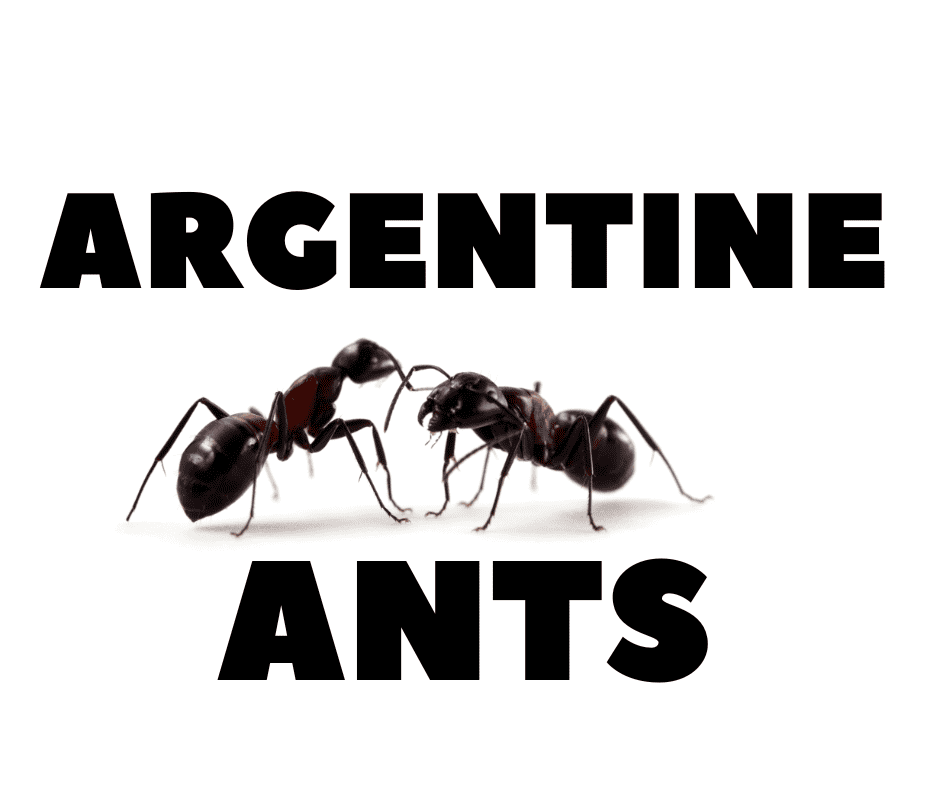 |
Dark brown |
~1/8 inch |
Smooth body, long foraging trails |
Massive colonies, often around foundations and shrubs. Dead branches, wood voids |
Sweet-feeding ant. Terro bait helps, but not enough alone—you’ll need to spray trees and shrubs where they farm honeydew from aphids and scales. |
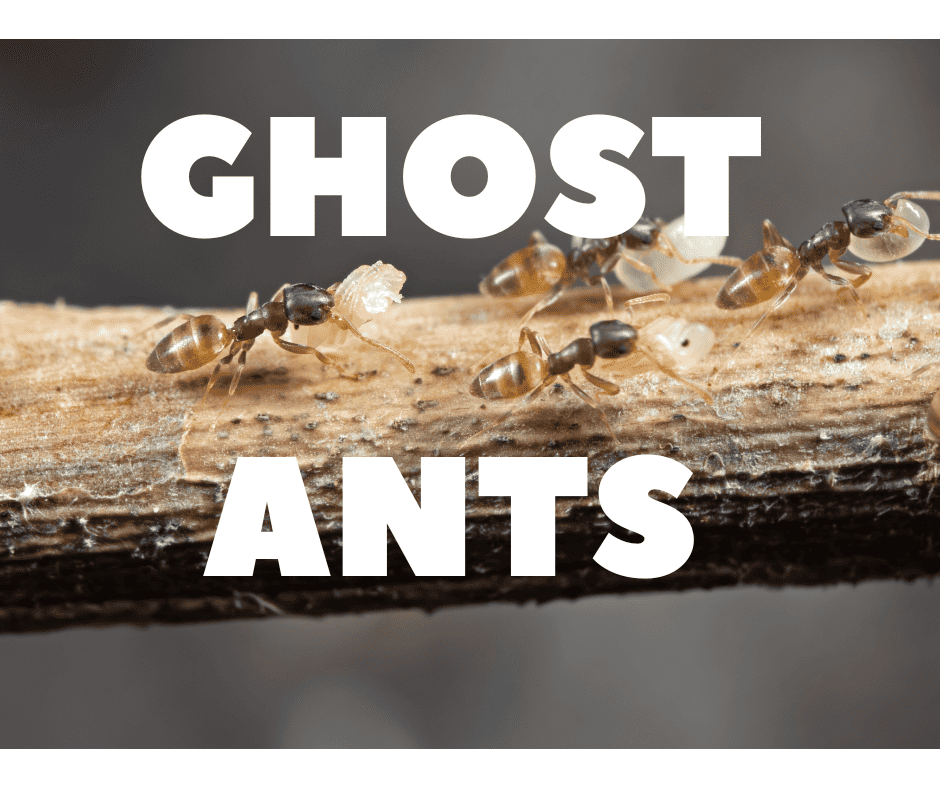 |
Pale body, dark head |
~1/32 inch |
Extremely tiny and fast-moving |
Wall voids, flower pots, moisture-prone areas |
Terro liquid bait is great, but they often die too fast to return to the nest. Try mixing bait 50/50 with soda or sugar water to slow them down and extend range. |
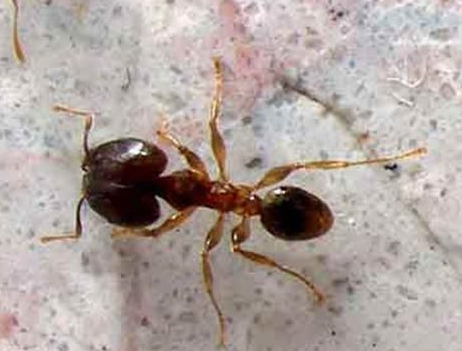 |
Dark brown with large heads |
~1/8 inch |
Two worker sizes (major & minor) |
Under mulch, walkways, or lawn edges, Under rocks, foundations, covering entire lawns. |
Use Amdro bait (granular)—the kind that looks like food. Apply in the early morning or late afternoon when they forage. Treat the whole lawn. No chinch bugs present. |
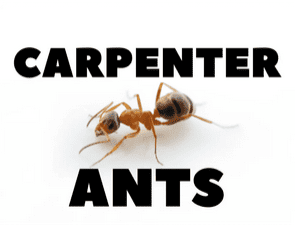 |
Red or black |
1/4–5/8 inch |
Large, doesn’t eat wood but excavates it |
Tree rot, moist wood, attics—often near termite activity |
Baits rarely work well. You typically need to track and treat the nest directly. Only use bait if you’re desperate—it’s unreliable. |
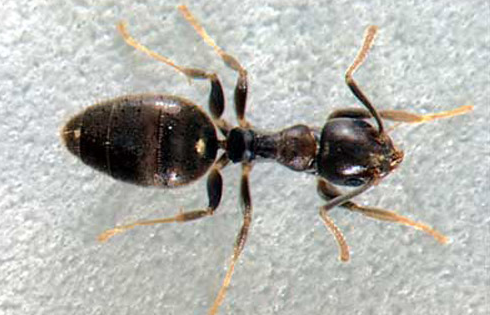 |
Dark body, pale legs |
~1/8 inch |
Uniform size workers, large colonies |
Shrubs, soffits, attics, moisture-rich vegetation |
Very sugar-focused but still usually need to spray all the foliage. Use sweet liquid baits and trim back foliage. Address any honeydew-producing plant pests to reduce their attraction. |
|
Tawny Crazy Ants 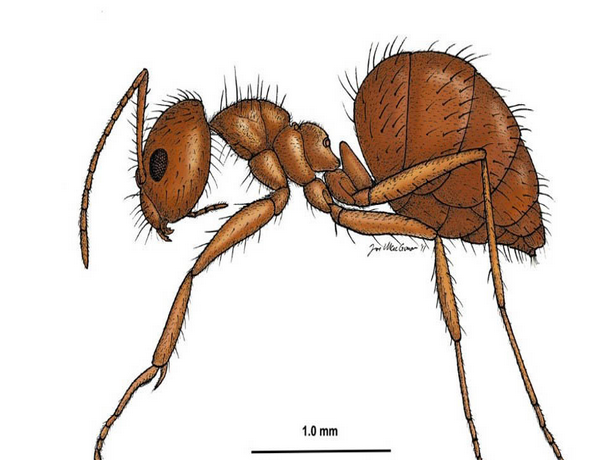 |
Reddish-brown |
~1/8 inch |
Erratic, fast movement; forms huge colonies |
Electronics, mulch beds, walls, sometimes vehicles |
Use a combination of bait and non-repellent spray. They need a dual strategy because they can overwhelm bait alone or relocate when disturbed. |
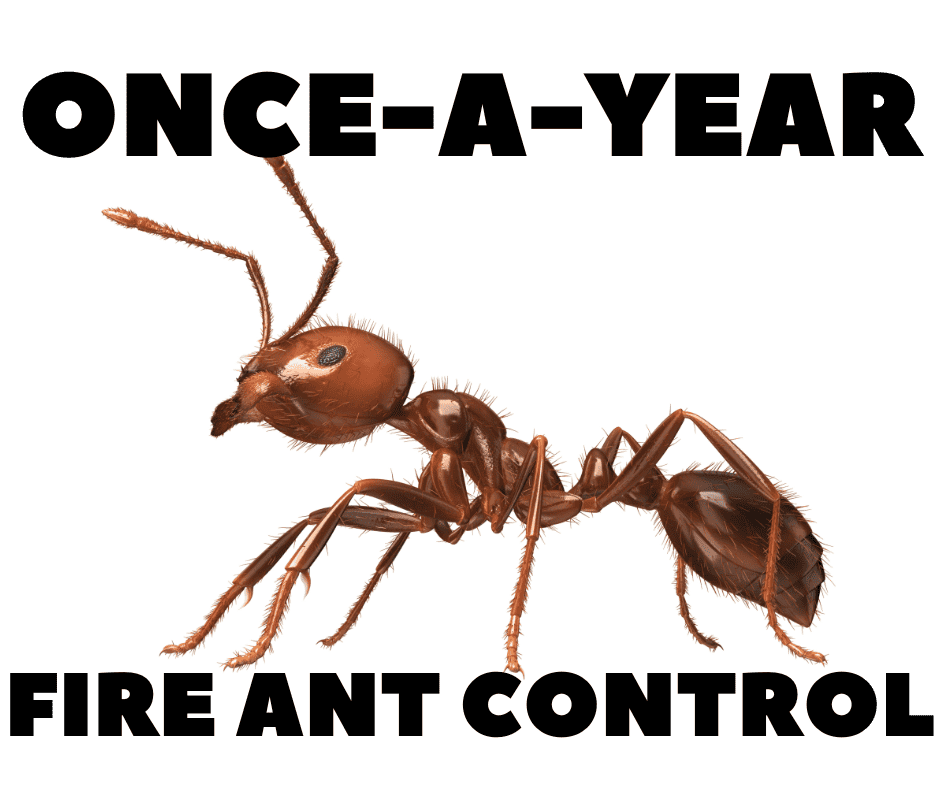 |
Reddish-black |
1/8–1/4 inch |
Aggressive, painful sting, fast mound builders |
Mounds in sunny yards, gardens, disturbed soil |
Use Amdro or similar protein-based granular baits in the morning or evening. Must control chinch bugs first or they’ll ignore the bait. |
|
Acrobat Ants 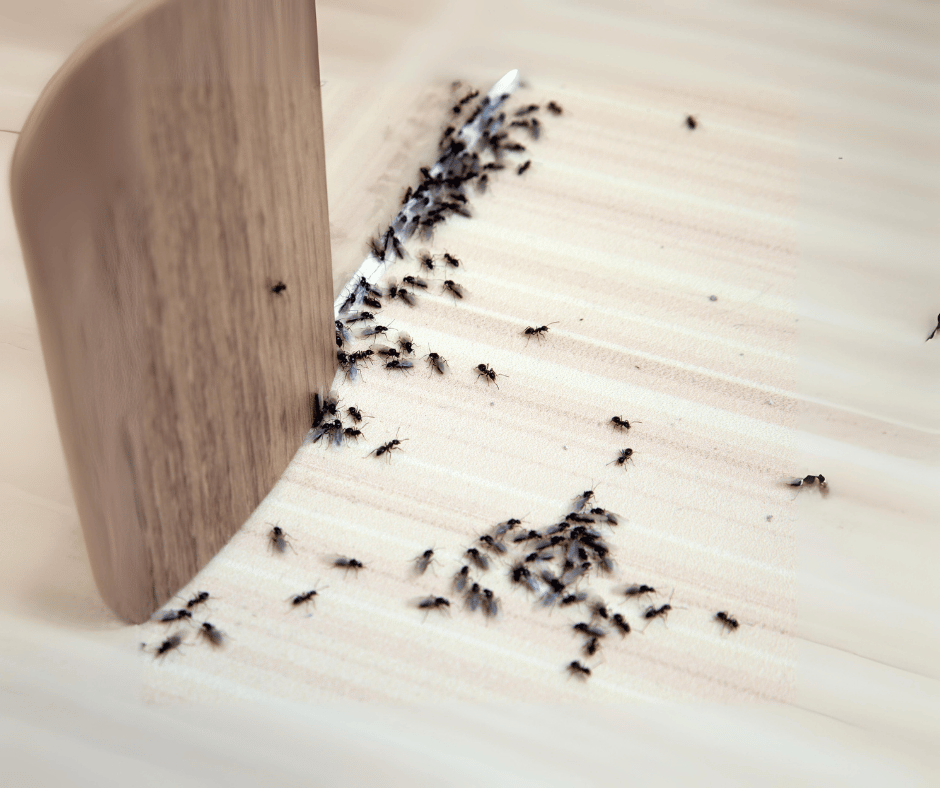 |
Dark with heart-shaped rear |
1/8–1/4 inch |
Raises abdomen defensively when disturbed |
Dead limbs, rotting wood, sometimes under insulation |
Look for moisture damage or wood decay. Targeted baiting or direct nest treatments usually work well—follow trails to entry points for best results. |
🧼 Smart DIY Ant Control Strategies
🧽 Keep Things Clean
- Wipe counters and do dishes after meals.
- Clean behind the fridge, stove, and dishwasher when cleaning.
- Store pet food in sealed containers. Avoid leaving out pet food; especially on floor.
💧 Reduce Moisture
- Fix leaking faucets and pipes promptly.
- Use a dehumidifier or damp rid in closets and bathrooms.
- Don’t overwater lawns or indoor plants—check soil before watering.
🌿 Improve Outdoor Conditions
- Trim plants away from the house.
- Control lawn pests like scale insects and chinch bugs.
- Limit mulch use and keep it pulled back from your home’s exterior.
- Turn outside lights off at night to reduce swarming ants attracted to light.
🧪 Use Ant Baits Strategically
- Use the right bait for the species (sweet vs. protein-based).
- Eliminate alternative food sources first.
- Protect outdoor bait stations from direct sun and rain.
🧹 Non-Chemical Ant Control Methods
- Vacuum ants: Especially useful on hard surfaces and window sills.
- Sticky traps: Help monitor movement and locate entry points.
- Soapy water spray: Erases pheromone trails and kills on contact.
- Flush soil in flower pots: Drives ants out without harsh chemicals.
🧑🔬 Professional Ant Control & IPM Options
If home treatments fail, it’s time to call in a professional:
- Dust treatments: Use boric acid or silica in wall voids or attics.
- Insect Growth Regulators (IGRs): Disrupt colony development and prevent reproduction.
- Perimeter treatments: Only when necessary—target problem areas, not blanket sprays.
⚖️ Nature’s Yin and Yang: Playing Nice with Ants
(Disclaimer: This section was NOT written by an ant.)
It’s easy to see ants as just pests, but they play crucial, often unseen, roles in Florida’s ecosystem. Understanding this natural balance helps us manage them smarter:
The Good Side of Ants:
- Pest Control Specialists: Many ant species are natural predators, preying on other insect pests like caterpillars, flies, and even termites. They act as tiny, vigilant guardians, keeping other insect populations in check before they become major problems.
- Nature’s Clean-Up Crew: Ants are fantastic decomposers. They diligently scavenge dead insects, small animals, and organic debris, helping to keep our environment tidy and recycle nutrients back into the soil. Think of them as tiny, efficient recycling machines.
- Soil Aerators & Engineers: As ants tunnel and nest, they naturally aerate the soil, improving drainage and allowing water, air, and nutrients to penetrate deeper, benefiting plant roots. Their constant digging essentially tills the earth, promoting healthier soil.
- Seed Dispersers: Some ants help disperse plant seeds, contributing to plant diversity and growth in various ecosystems.
- Food Source: They serve as a vital food source for many other animals, from birds to lizards, forming a critical link in the food chain.
The Not-So-Good Side of Ants:
- Home Invaders: Obviously, their top offense is invading our homes, contaminating food, and setting up colonies in inconvenient places.
- Property Damage: Some species, like carpenter ants, can tunnel into wooden structures, while fire ants can damage electrical systems.
- Painful Bites/Stings: Fire ants are notorious for their painful, burning stings that can cause allergic reactions.
- Agriculture Pests: They can protect sap-sucking pests (like aphids and scale) to “farm” their honeydew, exacerbating plant damage.
- Nuisance: Just their sheer numbers can be a major annoyance, forming long trails and swarming food sources.
Understanding this dual role helps us realize that coexistence, with smart management, is often the most sustainable and effective strategy for dealing with ants in our Florida homes.
🧠 Ant Control FAQ for Brevard & Indian River County Homeowners
🏠 General Ant Questions
🐜 Argentine Ant FAQs
👻 Ghost Ant FAQs
🗿 Bigheaded Ant FAQs
🪚🪵 Carpenter Ant FAQs
💮🦶 White-footed Ant FAQs
🤪(⊙_◎) Tawny Crazy Ant FAQs
🔥 Fire Ant FAQs
🤸🎪 Acrobat Ant FAQs-
📞 Need Help Identifying or Treating Your Ant Problem?
If you’re unsure what kind of ant you’re dealing with—or you’ve tried everything and still have ants—call David at Pest & Lawn Organic Guard. We offer ant inspections and sustainable IPM-based solutions in: