TL;DR – Large Roach Control in Florida
Problem: Large roaches (Palmetto Bugs, American, Australian, Smoky Brown, Oriental) invade homes seeking food and moisture.
DIY Limitations: Sprays only kill visible roaches; infestations quickly return.
Our Solution: Advanced treatment with Insect Growth Regulators (IGRs) + barrier protection.
Unique Advantage: Exclusive attic dusting service for severe infestations.
Results: Fast elimination, long‑lasting protection (up to 9 months), guaranteed relief.
Pricing: Most homes under 2,000 sq. ft. treated for $199. Seniors & military get 10% off.
Contact: Call/text 321‑704‑0434 today for hassle‑free service.
Large Roach Control Starting at $199
If you have seen a large roach in your home, you already know the feeling. It is not just the roach itself. It is wondering how many more there are, where they are coming from, and whether whatever you spray from the hardware store is actually doing anything.
The short answer is that it probably is not. Over-the-counter sprays repel roaches more than they kill them, which often scatters them deeper into your walls and makes the problem harder to treat.
I have been doing this for over 20 years as an owner-operator in Brevard and Indian River County. When you call Pest & Lawn Organic Guard, you are getting me, not a rotating crew of technicians. I do the job myself, I stand behind it, and I do not move on until it is done right.
Most homes under 2,000 square feet are treated for $199, flat. No hidden fees, no salesperson games, no upsells at the door.
Call or text 321-704-0434 or book online below.
What to Expect
Most customers start seeing a noticeable drop in roach activity within the first day after treatment. By the end of the first week, roaches are typically gone.
Here is how the service works:
- One visit. I treat the exterior of your home with a precise liquid application focused on entry points, harborage areas, and the perimeter. Inside, I target the areas where large roaches are most active, which is usually kitchens, bathrooms, and utility spaces.
- Insect Growth Regulators. Along with the exterior treatment, I use IGRs, which are products that disrupt the roach life cycle at the source. Instead of just killing the roaches you can see, IGRs prevent juveniles from maturing and reproducing. The colony collapses from within. Protection from a single treatment lasts up to nine months.
- Attic dusting for severe infestations. This is a service I offer that no other company in the area provides. Smoky Brown cockroaches in particular are drawn to attics, soffits, and rooflines, and a standard perimeter treatment will not reach them up there. When the infestation is coming from above, I go up there and treat it directly. It is the only way to fully resolve that type of problem.
Transparent Pricing
| Service | Price |
|---|---|
| Large roach treatment (most homes under 2,000 sq ft) | $199 |
| Attic dusting (severe infestations) | Ask when booking |
Seniors and active military receive 10% off.
There are no contracts, no hidden fees, and no salesperson showing up to tell you that you need a premium package. You get a clear price before I arrive and that is what you pay.
The 5 Large Roaches Common in Florida
In Florida, you will hear people call large roaches “palmetto bugs.” That is a catch-all term for several different species, and knowing which one you are dealing with matters because they behave differently and hide in different places.
American Cockroach
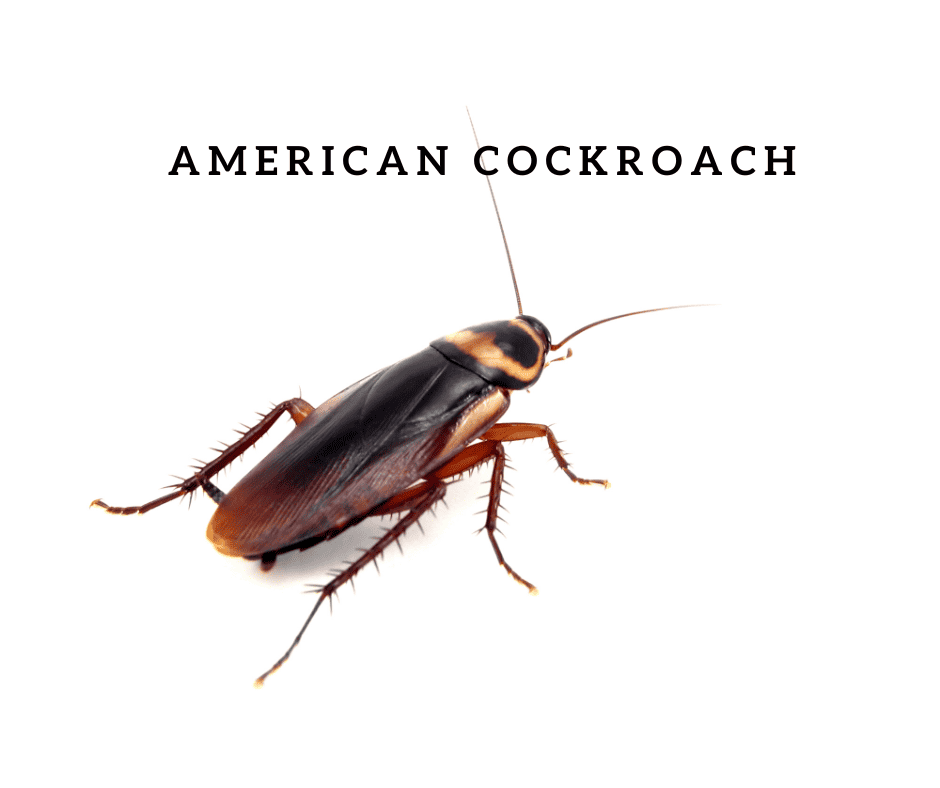
The most common large roach in Florida homes. American cockroaches thrive in warm, damp areas and are regularly found in kitchens, bathrooms, drain pipes, and crawl spaces. They are reddish-brown, grow up to two inches long, and can fly short distances, though they usually choose not to.
Smoky Brown Cockroach
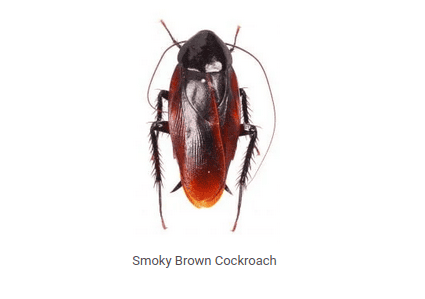
Uniform dark brown, shiny, and unlike most large roaches, a strong flier. Smoky Browns are drawn to humidity and are frequently found in attics, soffits, and rooflines. If you are seeing large roaches dropping from your ceiling or coming in through vents, there is a good chance these are the culprit. This is exactly the species that benefits most from attic dusting.
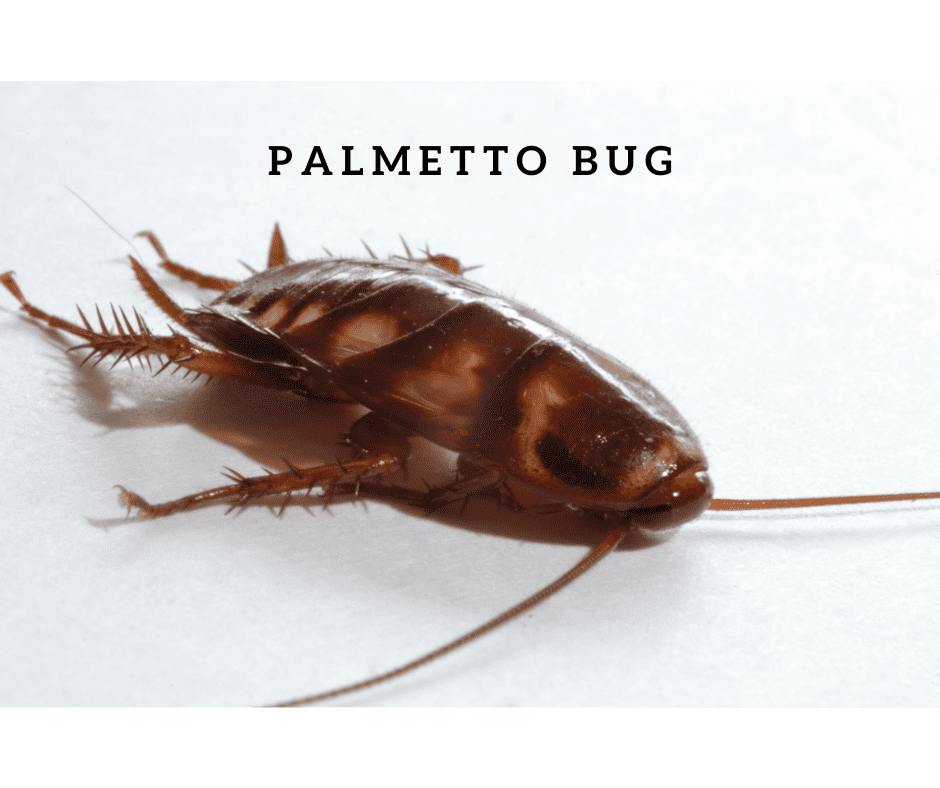
Palmetto Bug
The true Palmetto Bug is its own species, dark reddish-brown, and can reach up to three inches, making it one of the largest cockroaches in the country. They are weak fliers but will glide when disturbed. Like the American roach, they are attracted to food and moisture.
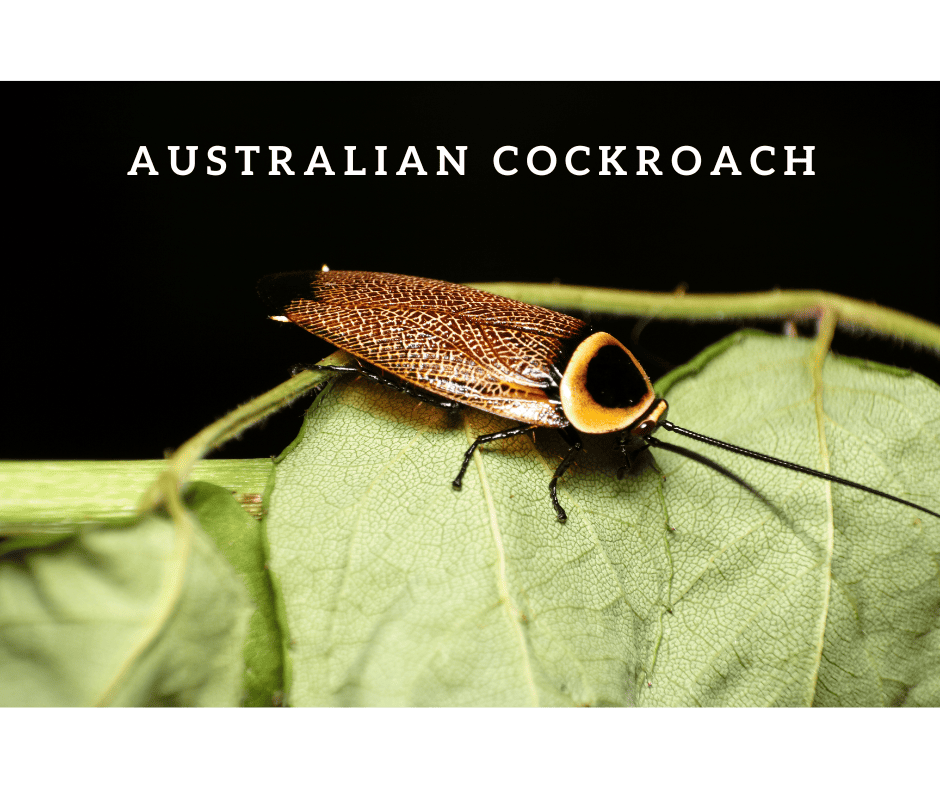
Australian Cockroach
Slightly smaller than the American roach and identifiable by yellow markings along the upper edges of its wings. They prefer tropical conditions and are drawn to moisture, so they show up most often in bathrooms, around plumbing, and in landscaping close to the house.
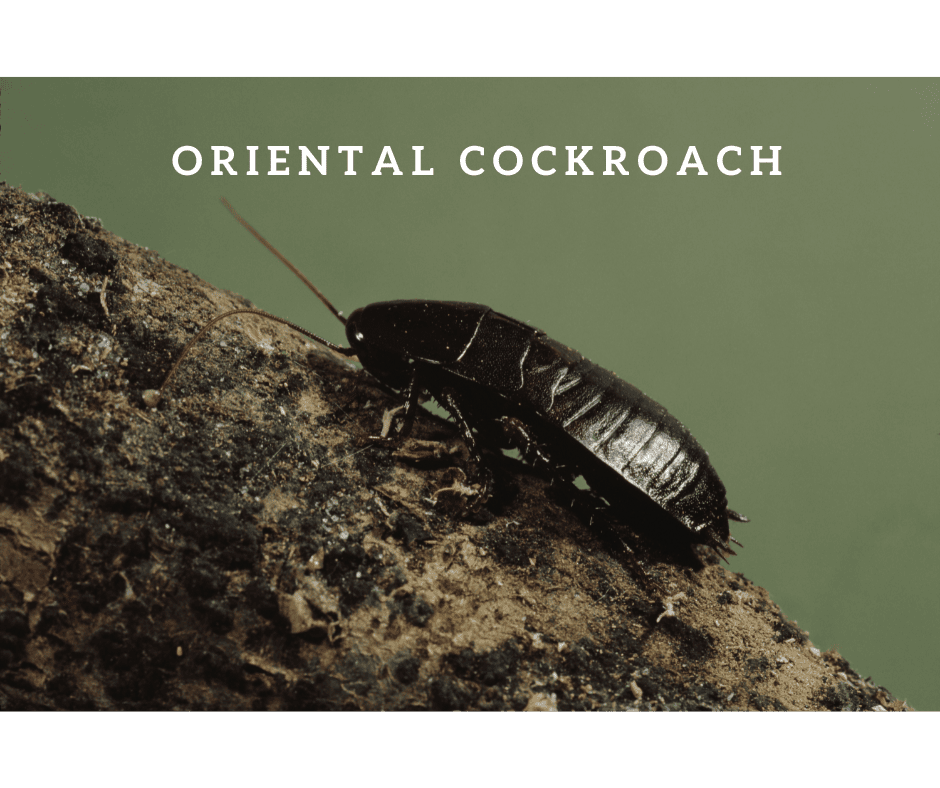
Oriental Cockroach
Also called water bugs or black beetles. Dark brown to black with a greasy appearance and a noticeable unpleasant odor. They prefer cooler, damp areas like drains, basements, and utility rooms. Unlike the other species on this list, Oriental cockroaches cannot fly at all.
Why Florida Roaches Are a Different Problem
Florida’s climate is essentially perfect for cockroaches. Warm year-round, high humidity, and no real winter to knock populations back. Every home in Brevard and Indian River County is a potential target, regardless of how clean you keep it.
Large roaches come in through cracks around pipes and utility lines, gaps under doors, open garage doors, sewer drains, and sometimes on boxes and grocery bags. Once they find a water source and a dark place to hide, the population grows quickly.
The most effective approach combines a strong exterior barrier, IGR treatment to collapse the breeding cycle, and in cases where roaches are getting in from the attic or roofline, treatment up there as well.
Over-the-counter sprays are not designed to do any of that. They are contact killers that hit what you can see and leave everything else untouched.
Don’t Take Our Word For It-Read The 5-Star Reviews
From roaches to ants, our customers consistently rate us 5 stars for transparent pricing, expert service, and lasting protection. Discover why your neighbors recommend us.




Schedule Your Hassle-Free Service Today
With up‑front pricing and a transparent process, booking your expert roach or ant treatment takes just minutes. No hidden fees. No sales games. Just guaranteed results from an owner‑operated service you can trust.

Cities and Towns We Serve:
We proudly provide pest control & termite control services to these communities.
Large Roach Control FAQ
Pest & Lawn Organic Guard | Brevard & Indian River County
About Large Roaches in Florida
What are the most common large roaches in Florida?
The most common large roaches in Florida homes are the American Cockroach and the Smoky Brown Cockroach. You will also run into Australian and Oriental cockroaches. All of them get lumped together under the term “palmetto bug,” which is just a local nickname Floridians use to make roaches sound a little less awful.
Why do I have roaches in my home?
Moisture is almost always the main reason. Roaches are looking for water, food, and a warm dark place to hide, and Florida homes give them all three year-round. A clean house is not a protected house. Even the tidiest home in Brevard County can end up with roaches if there is a gap around a pipe, a humid crawl space, or heavy mulch against the foundation.
How do large roaches get inside?
The most common entry points are gaps around plumbing and utility lines, cracks in the foundation, spaces under doors and garage doors, and sewer drains. They also hitch rides inside on cardboard boxes, grocery bags, secondhand furniture, and luggage. Once one finds a way in and establishes a harborage, others follow the scent trail.
What are the signs of a large roach infestation?
The clearest sign is seeing a roach during the day. Large roaches are nocturnal, so daytime sightings usually mean the population has grown large enough that they are getting pushed out of hiding. Other signs include small dark droppings that look like ground pepper, egg casings in dark corners or behind appliances, and a faint musty odor in areas where they are concentrated.
How quickly can a roach infestation grow?
Fast. A single female American cockroach can produce hundreds of offspring in her lifetime, and under Florida’s conditions she has plenty of time to do it. A small problem that gets ignored for a few months can turn into a serious infestation that requires significantly more effort to eliminate.
Can large roaches fly?
Some of them can. American, Smoky Brown, and Australian cockroaches all have wings and will fly or glide short distances, especially when startled or when moving toward light. The Smoky Brown is the strongest flier of the group and is the species most likely to drop in through attic vents or roofline gaps. Oriental cockroaches cannot fly at all.
Do large roaches bite?
They can, and it does hurt. That said, they are not aggressive and do not go looking for a fight. Biting becomes more of a concern when the population inside a home is large enough that they are competing for food and running out of space.
Are large roaches dangerous?
Yes, in a practical sense. They contaminate food and surfaces with bacteria they pick up crawling through drains, sewers, and rotting organic matter. They also shed skin and leave droppings that trigger allergic reactions and can worsen asthma, particularly in children.
Are roaches a sign of a dirty home?
No. Florida roaches are opportunists. A clean home with a gap around a pipe or a humid attic is just as attractive to them as any other. Poor sanitation can make an existing problem worse, but it is rarely the root cause.
Why are roaches attracted to cardboard boxes?
Cardboard holds moisture, provides warmth, and is actually a food source for roaches. It is also a perfect hiding spot. Storing cardboard boxes in garages, attics, or closets, especially in Florida’s humidity, is one of the more reliable ways to give roaches exactly what they want. Plastic bins with lids are a much better option.
About Our Large Roach Treatment
How much does a large roach treatment cost?
Most homes under 2,000 square feet are treated for $199, flat. No hidden fees, no salesperson showing up with a tiered pricing sheet. You get a clear number before I arrive and that is what you pay. Seniors and active military receive 10% off.
How do you treat large roaches?
I apply a precise liquid treatment to the exterior of the home, focusing on entry points, the foundation, and harborage areas. Inside, I target the areas where large roaches are most active. I also use Insect Growth Regulators, or IGRs, which disrupt the roach life cycle and prevent juveniles from maturing and reproducing. The colony collapses from within rather than just getting knocked back temporarily. For severe infestations, I offer attic dusting, which is the only professional service of its kind in this area and the most effective way to deal with Smoky Brown cockroaches nesting above the living space.
How long until I am roach-free?
Most customers see a noticeable drop in activity within the first day. By the end of the first week, roaches are typically gone. The IGR treatment continues working in the background for up to nine months after the initial service.
Do I need to be home for the treatment?
For an exterior-only treatment, no. If I am treating inside as well, I will need access to the home. Either way, you do not need to leave during the service.
Is the treatment safe for my family and pets?
Yes. I use EPA-registered products and follow all safety guidelines. The IGRs I rely on are low-toxicity and work by targeting roach biology specifically. I will let you know if there is anything specific to watch for based on what I apply, but in general there is no need to keep people or pets out of treated areas for more than a short window after application.
Is one treatment enough?
For an active infestation, a single treatment is very effective and most customers do not need a follow-up. That said, Florida is Florida, and regular maintenance treatments are a smart investment for long-term prevention, especially for homes near water, in older neighborhoods, or with recurring pressure from surrounding vegetation.
Can a roach treatment also eliminate ants?
It may reduce ant activity temporarily, but a large roach treatment is not designed to solve an ant infestation. Ants require their own targeted approach. I offer specialized treatments for a wide range of ant species including Fire, Carpenter, Ghost, Argentine, Crazy, Rover, and White-Footed ants. If you have both roaches and ants, I can treat for both in the same visit.
Can your large roach treatment also control German cockroaches?
Partially. German cockroaches are a completely different problem that requires a dedicated treatment. If you have both species, I can treat for both at the same time, and that often qualifies for a reduced rate. See the German Cockroach Treatment page for more detail.
Is large roach control included in your routine pest control service?
Yes. My routine pest control service covers large roaches along with other common household pests. If you are already on a maintenance plan, large roach pressure is part of what gets addressed at each visit.
Do you treat roaches in cars?
Yes. Roaches in vehicles are more common in Florida than most people realize. They get in through groceries, fast food bags, and just being parked near an infestation. I treat cars with products specifically suited for enclosed spaces. See the Auto Cockroach Treatment page for details.
Prevention and Maintenance
Should I use over-the-counter sprays before you come out?
Please do not. Store-bought sprays are primarily repellants, not killers. They scatter roaches deeper into walls and other areas of the home, which makes them significantly harder to treat effectively. If you have seen roaches, hold off and let me deal with it the right way from the start.
What can I do to make my home less attractive to roaches?
A few things make a real difference. Fix any leaking pipes or dripping AC drain lines, since moisture is the biggest draw. Keep food in sealed containers and do not leave pet food out overnight. Pull mulch, firewood, and leaf debris back at least six inches from your foundation. Seal gaps around pipes, utility lines, and the base of doors. Turn off exterior lights when you are not using them, since light draws roaches and the insects they feed on. Avoid storing cardboard boxes in garages, attics, or closets.
What about landscaping?
Dense vegetation close to the house, thick mulch, and wood debris stacked against the foundation create ideal roach habitat right at your doorstep. Keeping plants trimmed back from the structure and maintaining a dry zone around the foundation makes a meaningful difference in how much pressure your home is under between treatments.
What is Integrated Pest Management?
IPM is a long-term approach that combines professional treatment with targeted prevention to address the root cause of the problem rather than just the symptoms. Instead of repeatedly treating for the same issue, we identify why roaches are getting in or why they are thriving and address that directly. After every service I walk customers through the specific conditions on their property that are contributing to the problem.