
Contents
- 1 Expert Termite Control & Prevention in Palm Bay, FL
- 1.1 Termite Protection Designed for Palm Bay
- 1.2 Termite Control Services for Palm Bay Homeowners
- 1.3 Transparent Termite Treatment Pricing in Palm Bay
- 1.4 Get an Instant, Accurate Termite Estimate for Your Palm Bay Home
- 1.5 Add Superior Drywood Termite Protection
- 1.6 See Why Palm Bay Residents Trust Us for Termite Control
- 1.7 Book Your Termite Control Service Now!
- 1.8 Need to Speak with an Expert?
- 1.9 Termite Control Services in Palm Bay: For Every Home Type
- 1.10 Comprehensive Termite Control Services
- 1.11 Common Termite Attractants in Palm Bay
- 1.12 Essential Termite Prevention Tips for Your Palm Bay Home
- 1.13 Don’t Wait for Termite Damage. Get Proactive Termite Control in Palm Bay.
- 1.14 Why Preventative Termite Treatment Is a Smart Investment
- 1.15 Identifying Your Home’s Slab Type in Palm Bay
- 1.16 Termite Treatment for Supported Slabs
- 1.17 Cities and Towns We Service:
- 1.18 Palm Bay Termite Control Services: Your Local Experts
- 1.18.1 Serving the Palm Bay Community
- 1.18.2 Frequently Asked Questions: TERMITE CONTROL PALM BAY
- 1.18.3 General Palm Bay Termite Control Questions
- 1.18.4 Palm Bay Termite Prevention
- 1.18.5 DIY vs. Professional Termite Treatment
- 1.18.6 Palm Bay Termite Control Treatment Pricing and Frequency
- 1.18.7 Signs and Urgency of Termite Issues
- 1.18.8 Termite Damage
- 1.18.9 Termite Behavior and Lifecycle in Palm Bay
- 1.18.10 Home Buying and Termites
- 1.18.11 Maintenance After Termite Treatment
- 1.18.12 Termite Species in Palm Bay
- 1.18.13 Conducive Conditions for Termite Infestations
- 1.18.14 Preconstruction Termite Treatments
- 1.19 Related Links:
Expert Termite Control & Prevention in Palm Bay, FL
Termite Control Palm Bay: Palm Bay’s growth is exciting, but new construction is no match for Florida’s year-round termite threat. These destructive pests can cause hidden damage to any home, regardless of its age.
As a veteran-owned and owner-operated business, I bring over 20 years of hands-on expertise directly to you. I’m a specialist, not a generalist—I spent the first 10 years of my career focused exclusively on termites.
That’s why I’m the only company in Palm Bay to offer an exclusive annual booster treatment for superior, lasting protection. It’s part of my guaranteed termite control promise. With me, there’s no confusion, no hidden fees, and no finger-pointing. The buck stops here.
You can get an instant, accurate estimate for your home right now using our online pricing tool. Just move the slider to your home’s square footage for an exact price, and even book your service online, hassle-free.
Experience peace of mind knowing your Palm Bay home is protected by an expert who stands behind his work.
Termite Protection Designed for Palm Bay
Protecting your Palm Bay home from termites is our priority. As a veteran-owned, owner-operated business, I personally bring over 20 years of hands-on experience directly to your property. With me, you get a direct relationship with a termite expert who stands behind his work—the buck stops here.
Our comprehensive termite control service for Palm Bay residents includes:
- Upfront, Transparent Pricing: No need to guess. Get an instant, accurate estimate for your home’s square footage using our online tool.
- Exclusive Annual Booster Treatments: We’re the only local company to offer a yearly booster treatment, ensuring superior, long-term protection for your home.
- Robust Damage Warranty: Our service includes up to $1,000,000 in termite damage coverage, giving you complete peace of mind.
- Easy Online Service: Schedule your termite service online, 24/7, on your own time.
- Transferable Warranty: Our warranty transfers to new homeowners at no cost, adding tangible value to your property.
We offer solutions for all homes, from expert preventative treatments for new construction to effective solutions for established residences. Experience reliable, straightforward termite control designed for Palm Bay, Florida.
Termite Control Services for Palm Bay Homeowners
My quick video highlights my commitment to protecting homes in Palm Bay from devastating termite damage. See how I provide effective and reliable solutions to keep your property safe.
Transparent Termite Treatment Pricing in Palm Bay
At our veteran-owned, owner-operated business, we believe in honest, upfront pricing for subterranean termite control. You get clear, fixed costs from the start, which is especially important for new construction and first-time homeowners.
Our pricing tool gives you an instant, accurate estimate based on the unique design of your home’s foundation.
Termite Treatment Costs
Subterranean Termite Treatment Pricing:
- Monolithic Slab: $0.79 per square foot. This is the most common foundation type in Palm Bay, where the slab and footings are poured at the same time.
- Supported Slabs (Stem Wall/Floating Slab): $2.35 per square foot. These are less common but are found in specific new builds and custom homes.
Example: A 1,500 sq ft monolithic slab home would cost $1,185.
Note: Our pricing tool is highly accurate. However, factors like a severe, active infestation or limited access to your home may require a personalized assessment.
For a free, no-obligation estimate, or to discuss your specific needs, call us directly at 321-704-0434.
Get an Instant, Accurate Termite Estimate for Your Palm Bay Home
Slide to Your Home’s Square Footage for a Transparent, Upfront Price.
Slide To Your Home’s Square Footage
Add Superior Drywood Termite Protection
Protect your home from the inside out. Add our comprehensive drywood termite coverage to your existing warranty.
- Initial Protection: Just $300 for the first 1,500 sq ft.
- Additional Coverage: Each additional 500 sq ft is $50.
During this service, we will apply a comprehensive borate treatment to your attic and eaves, targeting and preventing drywood termite infestations.

See Why Palm Bay Residents Trust Us for Termite Control
⭐️⭐️⭐️⭐️⭐️ Read Our 5-Star Google Reviews!
Book Your Termite Control Service Now!
Ready to protect your Palm Bay home from termites? We make it easy!
Booking a termite service shouldn’t be a hassle. That’s why we offer a fast, easy way to get an accurate price and schedule your service online, 24/7. No phone tag, no waiting. Just the straightforward, transparent service you deserve.
Book your service online 24/7:
Need to Speak with an Expert?
If you prefer a personal touch or have specific questions about your home, call us directly for a free, no-obligation estimate: (321) 704-0434
Protect your most valuable investment with the reliable, guaranteed termite control you deserve.
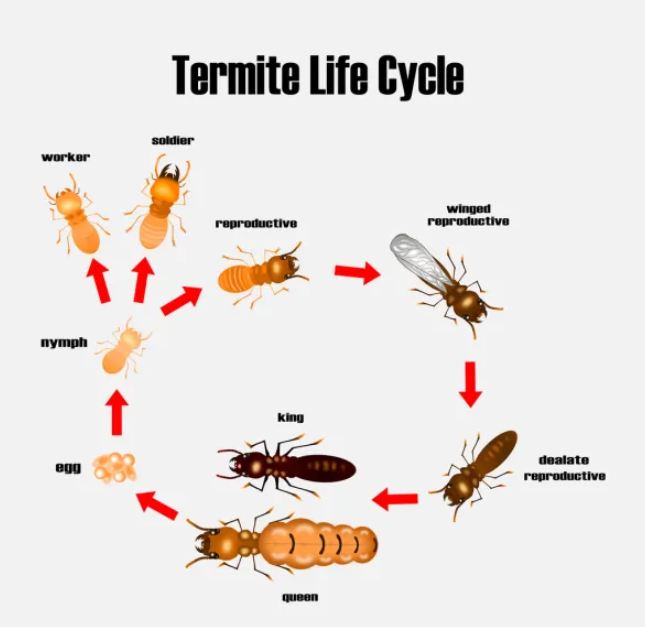
Termite Control Services in Palm Bay: For Every Home Type
Palm Bay’s recent growth has introduced a variety of home construction methods, and your termite control plan should be as unique as your home. As a specialist with over 20 years of experience, I have the specific knowledge needed to protect any type of property, no matter how it was built.
Concrete Block Homes: The most common construction type in Florida. We specialize in treating these structures to prevent subterranean termites from entering through cracks and expansion joints in the foundation.
Older Frame Homes: While built differently, these homes still require a robust barrier to protect their wooden framing from Florida’s active termites.
Solid Concrete Structures (Monolithic & Stem Wall): Our treatments are designed for these modern, durable homes. We apply a targeted barrier to the foundation, ensuring no points of entry are left exposed.
3D-Printed Homes: As Palm Bay embraces new technology, so do we. While these homes are highly resistant to termites, the wood elements inside and around the property still need to be protected.
No matter how your Palm Bay home is built, we have a guaranteed solution to protect your investment.
Comprehensive Termite Control Services
Subterranean Termite Treatment & Protection
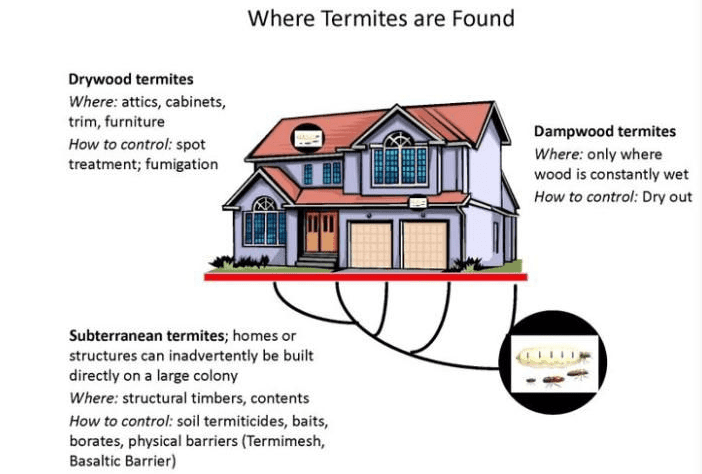
Protect your Palm Bay home from Florida’s most destructive termite species. Our specialized subterranean termite control creates a permanent, protective barrier around your home’s foundation.
How it Works:
- Trench & Treat: We carefully dig a precise trench around your home’s perimeter.
- Targeted Application: We apply a specialized, non-repellent liquid treatment to the soil, which termites unknowingly carry back to the colony, eliminating it from the inside out.
This proven method provides a long-lasting defense, safeguarding your property from potential hidden damage.
Drywood Termite Prevention & Control
While drywood termites are often associated with older structures, they can infest any home with exposed wood components, from attic rafters to trim.
How We Protect You:
- Targeted Application: We apply a specialized borate treatment directly to vulnerable areas, such as unfinished wood in your attic and eaves.
- Long-Term Prevention: This proactive approach protects the wood itself, preventing future infestations and eliminating any existing drywood termite activity.
This service is a valuable add-on to your subterranean termite warranty, giving you complete peace of mind.
Common Termite Attractants in Palm Bay
Beyond professional treatment, you can proactively protect your home by minimizing termite attractants. By addressing these issues, you significantly reduce the risk of an infestation.
- Moisture Sources: Termites need moisture to survive. Fix any plumbing leaks, ensure air conditioners don’t drip near the foundation, and maintain proper drainage to divert water away from your home.
- Wood-to-Ground Contact: Any wood touching the soil, such as fences, deck posts, or door frames, is a direct pathway for termites into your home. Ensure these are properly treated or have a non-wood barrier.
- Landscaping & Mulch: Termites are attracted to wood chips, which can hold moisture. We recommend using pine bark mulch sparingly and keeping it at least 12-18 inches away from your foundation.
- Foundation & Stucco: Termites can enter through tiny cracks in your home’s foundation. It’s crucial to seal any visible openings. Additionally, ensure stucco doesn’t extend below ground level.
- Debris & Firewood: Piles of old wood, stumps, or leftover construction materials provide a perfect food source. Store firewood at least 20 feet away from your home and elevated off the ground.
- Roof and Gutters: Clogged gutters or a damaged roof can lead to water pooling, creating a damp environment that attracts termites.
By following these simple steps, you can create a less inviting environment for termites and bolster the effectiveness of our professional termite control service.

Essential Termite Prevention Tips for Your Palm Bay Home
Proactive prevention is the best defense against termites. By addressing common risk factors, you can significantly reduce the likelihood of a termite infestation in your Palm Bay home.
- 1. Wood-to-Ground Contact: Ensure no wooden elements of your home, including fences, decks, or door frames, touch the soil. This is a primary entry point for termites.
- 2. Stucco Below Grade: This is a critical issue for many homes in Palm Bay, especially those built in the 1980s and 90s. When stucco extends below ground level, it creates a hidden, protected tunnel for termites to access your home’s foundation without being detected. We highly recommend addressing this vulnerability.
- 3. Landscape Management: Maintain a clear, 6-inch buffer zone between your foundation and landscaping materials like mulch, plants, and shrubs. Termites are drawn to this moisture-rich environment.
- 4. Foundation and Drainage: Regularly inspect your foundation for cracks, which are a common termite entry point. Ensure your downspouts and gutters are clean and direct water at least 3-4 feet away from your home’s foundation.
- 5. Fix Leaks Immediately: A leaky faucet, pipe, or roof can create the perfect damp environment that termites need to thrive. Promptly addressing any leaks is a critical step in prevention.
- 6. Proper Storage: Store firewood, lumber, and other wood debris away from your house and off the ground.
By following these preventative measures, you can make your home far less attractive to termites and help protect your investment.
Don’t Wait for Termite Damage. Get Proactive Termite Control in Palm Bay.
Termites are a silent, year-round threat in Florida. These destructive pests cause billions of dollars in damage to homes and businesses annually, often going unnoticed for years until the damage becomes severe and costly.
Don’t let your Palm Bay property become a statistic.
As a specialist with over 20 years of experience, I provide proactive, guaranteed termite prevention and treatment. My services are designed to protect your most valuable investment before it’s too late.
Why Preventative Termite Treatment Is a Smart Investment
In a growing community like Palm Bay, protecting your home is more important than ever. Investing in preventative termite control offers crucial, long-term advantages:
- Protect Your Financial Investment: Termite damage is not covered by most homeowners’ insurance policies. With repair costs potentially reaching thousands of dollars, proactive treatment is the only way to safeguard your most valuable asset.
- Preserve Your Home’s Value: A history of termite damage can significantly reduce your property’s market value. By investing in preventative measures, you maintain your home’s integrity and appeal, which is vital in Palm Bay’s competitive real estate market.
- Avoid Costly & Stressful Infestations: Prevention is far more affordable and less invasive than a full-blown infestation. By stopping termites before they start, you save yourself the significant time, stress, and expense of dealing with an active problem.
- Gain Peace of Mind: Knowing your Palm Bay home is continuously protected by an expert with a guaranteed, long-term solution provides invaluable peace of mind.
Identifying Your Home’s Slab Type in Palm Bay
Understanding your home’s foundation is crucial for accurate termite treatment and pricing. While Palm Bay features various construction types, most homes are built on a monolithic slab.
If you’re not sure about your home’s slab type, don’t hesitate to call us for a free, accurate inspection at 321-704-0434.
Monolithic Slabs: The Palm Bay Standard
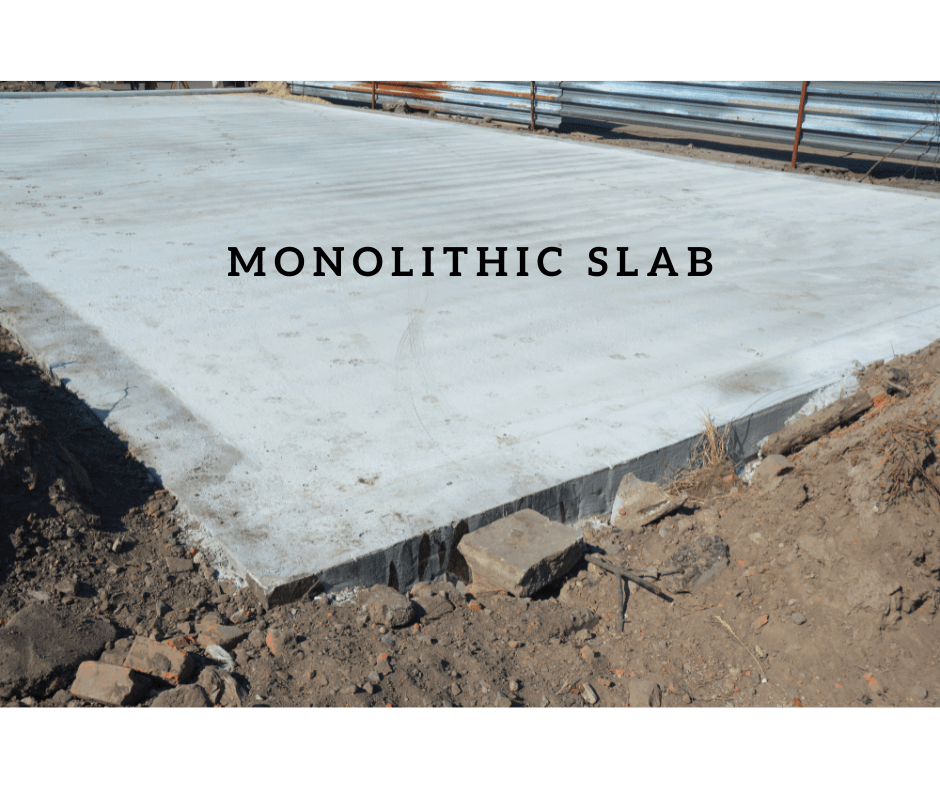
Monolithic slabs are the most common foundation type you’ll find in Palm Bay and throughout Central Florida. They are a single, continuous piece of concrete that integrates both the foundation and the floor, poured directly onto the prepared ground.
Why They’re the Standard in Palm Bay:
- Exceptional Durability: Their solid, one-piece construction makes them incredibly strong and resistant to shifting, which is crucial for our local sandy soil conditions.
- Cost-Effective: This method is efficient for builders, making it the preferred choice for the majority of new and established homes across Palm Bay.
- Ideal for our Climate: They offer a reliable, long-lasting base that stands up well to Florida’s weather.
Our termite treatments are specifically designed to protect homes with monolithic slab foundations, creating a seamless barrier to defend your property from termites.
Termite Treatment for Supported Slabs
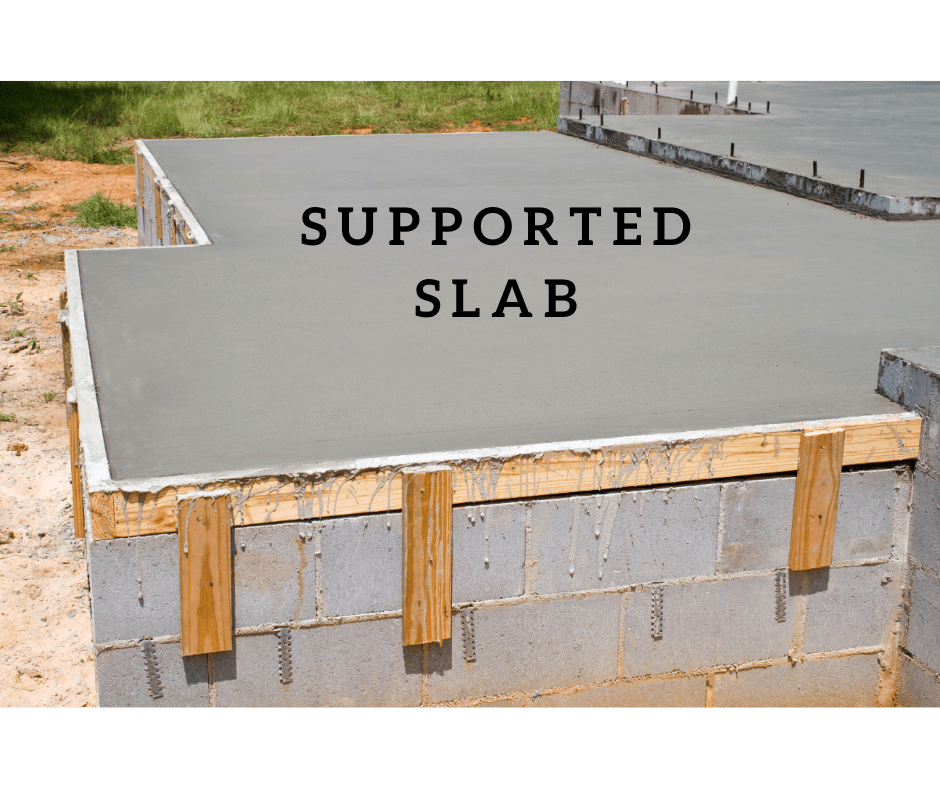
Supported slabs, also known as stem-wall or floating foundations, are less common for residential homes in Palm Bay. However, they are often found in commercial properties, large custom homes (like those near Turkey Creek), or on uneven ground.
Unlike a monolithic slab, this foundation is elevated by a system of piers, beams, or blocks. This creates a visible “stem wall” between the ground and the home’s siding or exterior.
Specialized Treatment Required:
- Dual-Barrier Application: Because of the elevated design, we must apply a protective barrier to both the interior and exterior sides of the foundation.
- Increased Complexity: This process is more extensive and labor-intensive, which is why it costs more than treating a monolithic slab.
Our experienced team has the specialized knowledge to treat these unique foundations, ensuring a complete and effective termite barrier for your entire property.
Termite Control for Floating Slabs
Floating slabs are a specialized foundation type used in Palm Bay, most often in areas with challenging or uneven soil. . Unlike other foundations, these slabs are designed to be detached from the main structure, allowing them to shift independently from the home. While not as common as monolithic slabs, they can be found on certain custom, luxury, or very heavy homes.
Why Termite Treatment is Different:
- Detached Design: The detached nature of the foundation requires us to treat both the inner and outer perimeter of the slab to create a comprehensive, continuous protective barrier.
- Specialized Application: This process is more intricate and extensive than treating monolithic slabs, which is why the treatment cost is higher.
Our experts are highly experienced in the specific techniques needed to effectively protect homes with floating foundations, ensuring your property is fully protected from the ground up.

Cities and Towns We Service:
Palm Bay Termite Control Services: Your Local Experts
At Pest & Lawn Organic Guard, we are proud to offer top-tier, environmentally responsible termite control services to homes and businesses across Palm Bay.
As a veteran-owned, owner-operated business with over 20 years of experience, we understand the unique termite challenges of our local environment and are committed to providing effective solutions with upfront pricing.
Serving the Palm Bay Community
We are deeply integrated into the Palm Bay community and dedicated to its well-being. We believe in supporting local resources that make our city a great place to live and work.
Here are some helpful links to Palm Bay’s official resources:
- Palm Bay Official Website: https://www.palmbayfl.gov/
- Palm Bay Building Department: https://www.palmbayfl.gov/government/city-departments-a-to-e/building-permits-inspections
- Palm Bay Chamber of Commerce: https://greaterpalmbaychamber.com/
- Palm Bay Parks & Recreation: https://www.palmbayfl.gov/government/city-departments-f-to-z/recreation
- Palm Bay Community Resources: https://www.palmbayfl.gov/government/city-departments-f-to-z/housing-programs/resources-partners
Frequently Asked Questions: TERMITE CONTROL PALM BAY
General Palm Bay Termite Control Questions
Yes, and the issue is growing due to the introduction of Formosan termites. Areas like Palm Bay, Suntree, and Viera, once swampland, now experience rising termite activity because of drying conditions and the prevalence of slash pines, a favorite food for subterranean termites.
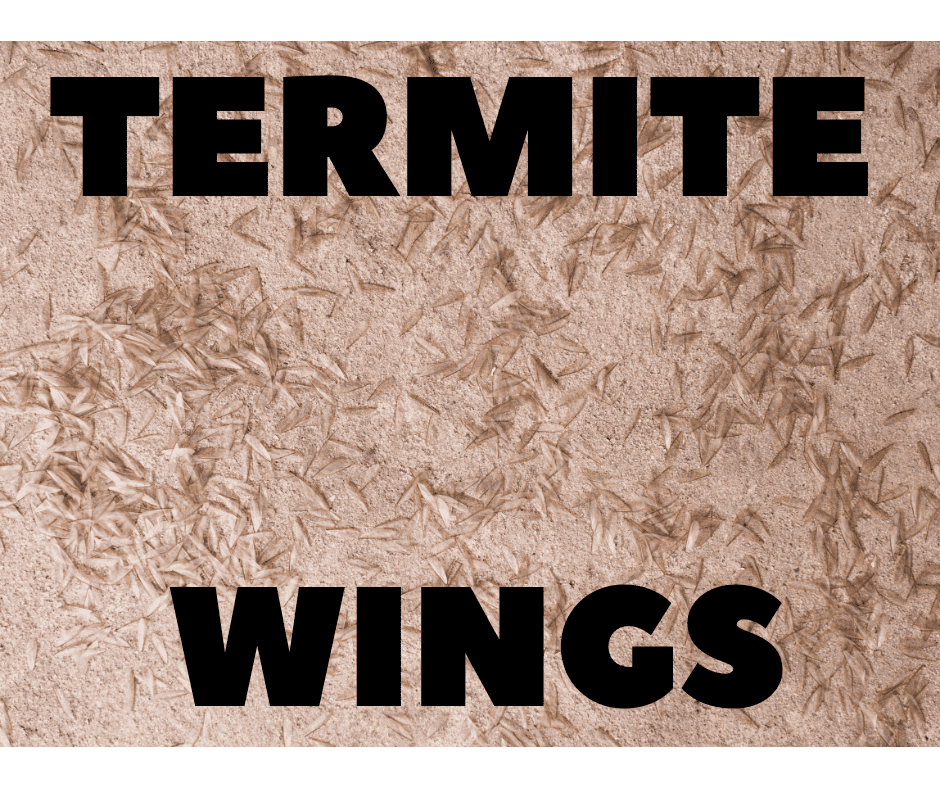
Look for mud tubes, discarded wings in windows, and swarmers (flying termites).
Eastern subterranean termite nests are usually underground and hard to spot.
Formosan termites can also build above-ground nests called “cartons,” found in wall voids, attics, and hidden spaces. Formosan termite cartons are hard, ovoid structures made from a mixture of wood fragments, soil, saliva, and feces that resembles cardboard or a papier-mâché basketball.
No. We use EPA-approved termiticides for effective control. Dry-wood borate treatments use processed boron-based minerals, while products like Premise are synthetic insecticides.
An increase in mud tubes may signal a large colony targeting your home. Swarmers could indicate an undetected infestation or termites attracted by lights entering through open doors or windows.
Most of the time, yes. Swarming termites may enter from outside, but it often signals a termite issue.
Signs include mud tubes, frass (termite droppings), swarmers, or visible termites.
Look for mud streaks on drywall. Breaking a mud tube may reveal live termites repairing the breach.
You’ll see streaks or spots of mud and dirt.
Fire ants sometimes build mud tubes resembling termite activity, often near nests or areas affected by flooding.
Their favorite is slash pine but will feed on oak, maple, and other woods.
Eastern subterranean, Formosan, dry-wood, southern dry-wood, and damp-wood termites.
Rarely. They need continuously wet wood, which typically occurs only with severe moisture issues like roof leaks.
Yes, excessive moisture from irrigation can attract termites.
Yes. Too much moisture eliminates the need for termites to seek water and attracts other pests. Install a rain sensor to prevent overwatering.
Yes, a single colony can infest several homes simultaneously.
Yes, termites can enter through cracks and feed on baseboards, furniture, flooring, and structural wood like trusses.
Yes, they’ll feed on wood furnishings and baseboards.
Yes, termites can feed on paper currency.
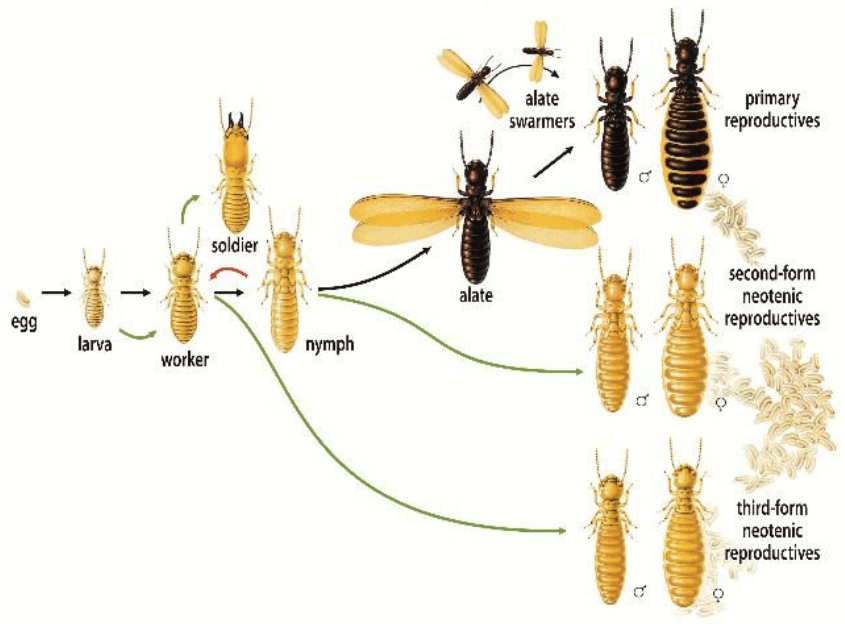
Swarming occurs in spring and early summer, triggered by warm weather and rain. Eastern subterranean termites swarm from November to May, while Formosan termites swarm from March to June, usually at night.
Dry-wood termites swarm from May to September during warm, humid conditions.
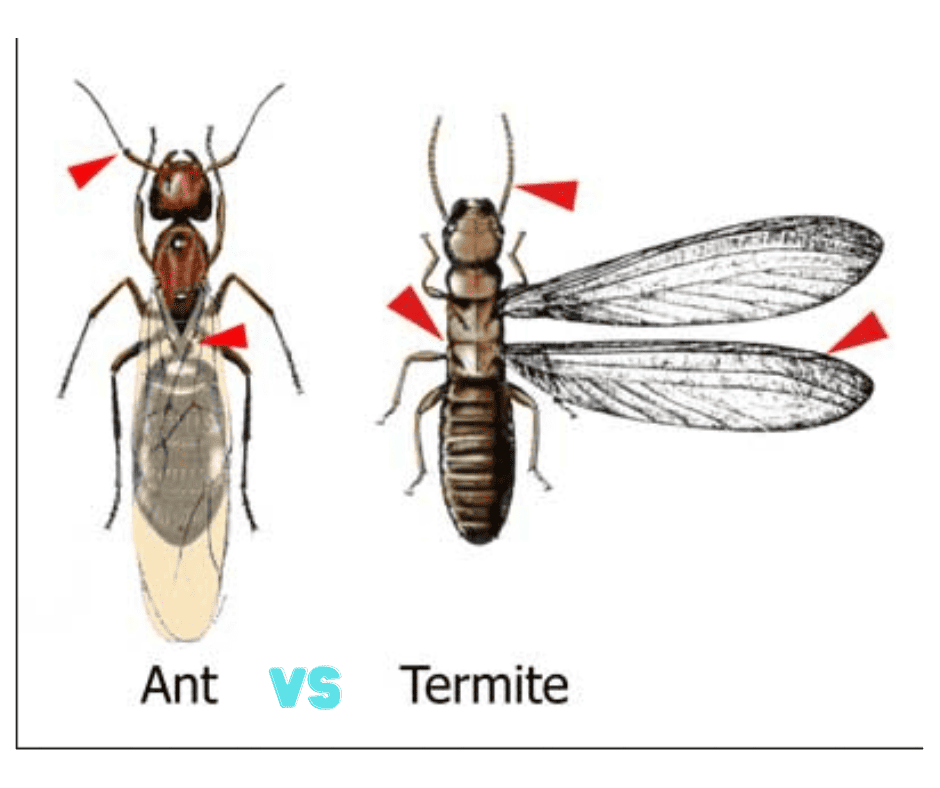
Distinguishing between swarming termites and ants involves several key features. Termites have straight antennae, a wide waist, and two pairs of wings equal in size that are held flat against their bodies when at rest. In contrast, ants have elbowed antennae, a narrow waist, and two pairs of wings with the front pair being significantly larger than the hind pair. These differences in physical characteristics can help homeowners identify the presence of termites and take appropriate action to protect their property.
Gone are the days of relying solely on termite monitoring and bait stations. While they were once the primary method of termite control, advancements in technology have led to safer and more effective solutions.
Our expert termite control services utilize proven insecticides like fipronil and imidacloprid. These products create a protective barrier around your home, preventing termites from entering and causing damage.
Preparing your home for termite treatment can take some work. To ensure optimal results, please take the following steps:
- Clear the area: Remove or relocate items from around the foundation of your home, such as flower pots, hoses, outdoor furniture, and any other objects that may be in the way of treatment application.
- Trim back vegetation: Trim back any overhanging branches or shrubs that may touch the house. This will allow for better access to the foundation and prevent interference with the treatment process.
- Prepare for potential drilling: If the treatment involves drilling holes in the foundation, you may need to move items away from the walls where drilling will occur.
We understand that preparing for treatment can be time-consuming. We are happy to assist you with moving some lighter items if needed. Please let us know if you require any assistance.
During the termite treatment process, there’s usually minimal disruption to your daily routine.
- Interior Treatment First: To minimize the tracking of dirt into your home, we will typically begin with any interior treatments first.
- Attic Treatment Priority: We’ll prioritize treating the attic early in the day to avoid excessive heat buildup.
- Pet Supervision:
- Please be mindful of your pets during the treatment process.
- Occasionally, we may need to bring a hose inside or access areas that might require you to supervise your pets to ensure their safety.
- Please be prepared to assist in keeping your pets away from treatment areas.
Most importantly, please feel free to ask any questions you may have throughout the treatment process. We want to ensure your comfort and understanding during this time.
After the treatment is complete, there’s very little you need to do.
- Allow Drying Time: Allow approximately 30 minutes for any treated areas to dry completely before allowing pets back into those areas.
- Replace Items: You can begin replacing items such as knick-knacks and decorative objects.
- Relax: That’s it! You can now relax and enjoy your termite-free home.
We will do our best to return all items to their original positions, including flower pots and outdoor decorations. If you need assistance moving any heavier items back into place, please don’t hesitate to ask.
It’s important to note that occasional swarming after a termite treatment can occur, especially if there was a significant infestation prior to treatment.
- Swarming After Treatment: Swarming after treatment is often a natural response from a dying termite colony. When termites sense their colony is under threat (like after a treatment), they may engage in a final effort to reproduce.
- Treatment Impact: If we used Termidor, you should expect swarming to subside within 2 weeks. If Premise was used, swarming should cease within approximately 1 month.
- Potential Causes: Continued swarming after this timeframe might indicate:
- Untreated Areas: There could be untreated areas, such as hidden cracks in the slab, under a wall, under tile or laminate, or beneath a shower pan.
- Moisture Sources: Termites require moisture to survive. Persistent swarming could suggest a moisture source, such as a leaking roof, a leaking shower drain, or an improperly draining A/C unit. Termites can even maintain a colony within wet insulation, avoiding contact with the treated soil.
- Don’t Worry: If you notice continued swarming after the expected timeframe, please don’t hesitate to contact us. I have over 20 years of experience in termite control and have encountered many various termite scenarios. I will thoroughly investigate the situation and determine the cause of the continued swarming activity.
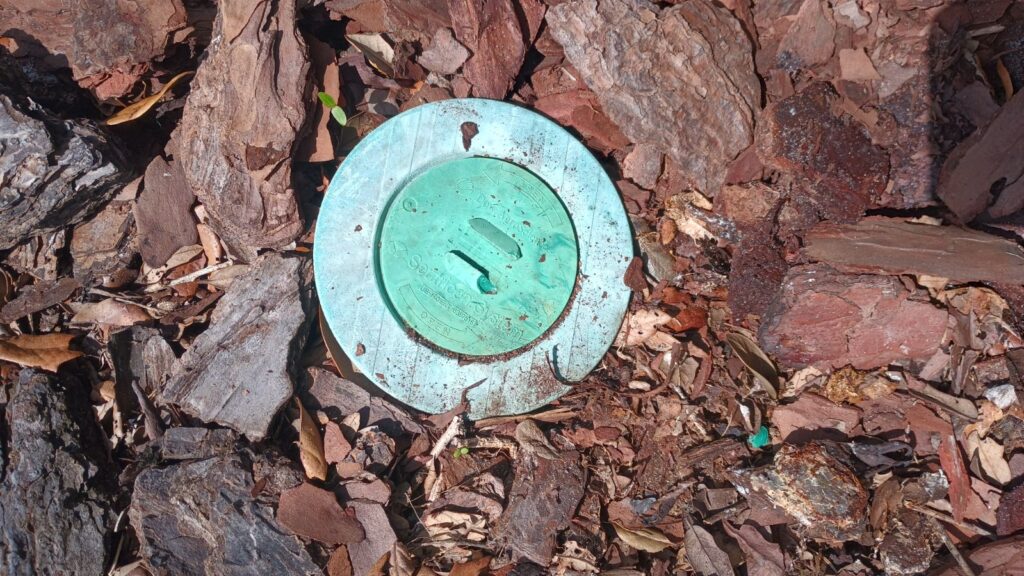
Those green discs are likely bait stations used for termite monitoring and control. They typically contain a small piece of wood that termites may feed on.
- How they work: If termites are present, they will enter the station and consume the wood. During routine inspections (usually quarterly), your termite control technician will check the wood for signs of termite activity. If termites are found, the wood is replaced with a bait that the termites will consume and then carry back to the colony, effectively eliminating the infestation.
- Note: These stations were a common method of termite control before the development of more modern soil treatments like Premise and Termidore. While still sometimes used for specific situations, modern soil treatments are generally more effective and preferred for preventative termite control.
- Removal: We offer free removal of these older bait stations upon request during your service.
While termite treatments can sometimes eliminate carpenter ants, especially if the ants are nesting within the treated area, it’s not guaranteed. Carpenter ants often nest in areas outside the home, such as trees or wood piles, including the many cabbage palms common on Merritt Island. If the ants are primarily nesting in these external locations, a termite treatment may not be sufficient to eradicate them. However, if the carpenter ant infestation is within the home’s structure, particularly in areas damaged by termites, a termite treatment may help control the ant problem as well.
If you suspect you have a carpenter ant problem, let us know so we can address both issues at the same time.
Termite infestations can create an environment that is very attractive to ant species. Here’s why:
- Damaged Wood: Termite damage weakens and deteriorates wood, creating ideal nesting sites for other types of ants.
- Food Source: Termites themselves can become a food source for certain ants, particularly carpenter ants.
- Swarm Activity: Carpenter ants are known to “anticipate” termite swarms. When a termite colony is preparing to swarm, carpenter ants may appear in large numbers, waiting to feast on the emerging winged termites.
Other ant species commonly found in association with termite infestations include:
- Fire ants: These aggressive ants may be drawn to the weakened wood and the presence of other insects attracted to the termite damage.
- Ghost ants: These tiny, fast-moving ants are well-adapted to living in the crevices and tunnels created by termites.
- Argentine ants: These highly adaptable ants can thrive in a variety of environments, including those disturbed by termite activity.
No, termites do not kill living trees.
Termites only eat dead wood, with decaying wood being their preferred food source. If a tree falls and you find termites, they are consuming the dead portions of the tree. They may have even been present before the tree fell, feeding on existing dead wood within the tree. However, termites play no role in the death of a healthy, living tree.
Factors such as fungal diseases (rot), storm damage, age, nutrition deficiencies, lightning/other damage, or pest issues are responsible.
Yes, we do. While termites primarily infest dead wood, we can treat trees for damp wood termites, which can sometimes colonize living trees. This treatment can also help reduce local populations of other termite species, such as Eastern Subterranean and Formosan termites.
In addition to termite control, we also offer tree and plant spraying services to manage a variety of other insects, including scale and other pests that can attract ants. We frequently treat palm trees to control ant infestations, including common species like Carpenter ants, Argentine ants, White-footed ants, and Ghost ants.
We typically schedule these applications for mornings when wind conditions are generally calmer to ensure effective treatment.
No, termite protection is the homeowner’s responsibility.
The homeowner is responsible for paying for termite treatment.
Yes, both drywood and subterranean termites can infest manufactured homes.
We offer treatments to protect against subterranean termites. For drywood termites, maintain the vapor barrier and inspect it regularly to prevent access to the structural wood.
Yes, a proper termite treatment can provide permanent prevention.
Yes, termites are active throughout Florida.
Yes, termites are a significant concern in Florida, and a warranty is highly recommended.
Yes, termites can build mud tubes inside cinder blocks and feed on roof trusses undetected.
Palm Bay Termite Prevention
DIY vs. Professional Termite Treatment
Palm Bay Termite Control Treatment Pricing and Frequency
Signs and Urgency of Termite Issues
Termite Damage
Termite Behavior and Lifecycle in Palm Bay
Home Buying and Termites
Maintenance After Termite Treatment
Termite Species in Palm Bay
Conducive Conditions for Termite Infestations
Yes, improper drainage creates moisture that attracts termites. Use a splash block to direct water away from your home.

Yes, decaying stumps provide an ideal habitat for termites. Remove or grind stumps near your home.
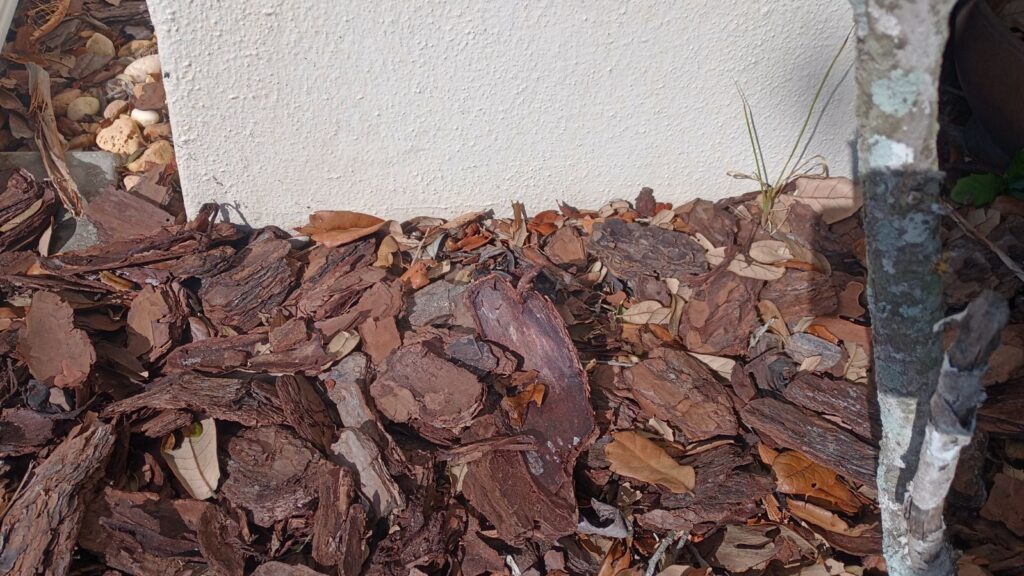
Stucco below grade lets termites enter undetected. Ensure stucco ends at least six inches above soil level.
Pine bark mulch attracts termites. Choose eucalyptus or cypress mulch instead.
Sealing gaps in soffits blocks swarming termites from entering attics. Preventing dry-wood termites from entering your attic in the first place is the best dry-wood termite prevention.
Yes, leaks create damp wood that attracts termites. Repair leaks promptly.
Yes, cracks allow termites to bypass barriers. Seal cracks to prevent entry.